Understanding Colon Cancer: Symptoms, Staging, and Treatment
Facts:
- Colon cancer is the third most common cancer diagnosed.
- Early screening significantly improves survival rates for colon cancer patients.
Decoding Colon Cancer: From Causes to Diagnosis
Understanding colon cancer is the first crucial step toward prevention and effective management. This disease, which originates in the large intestine or colon, often begins as small, noncancerous clumps of cells called polyps. Over time, some of these polyps can develop into cancer. Recognizing the risk factors and early signs is paramount. The primary colon cancer causes are not always clear, but they are often linked to a combination of genetics, lifestyle, and age. Being proactive about your health and understanding the nuances of this disease can dramatically alter outcomes, making knowledge a powerful tool in the fight against this common malignancy.
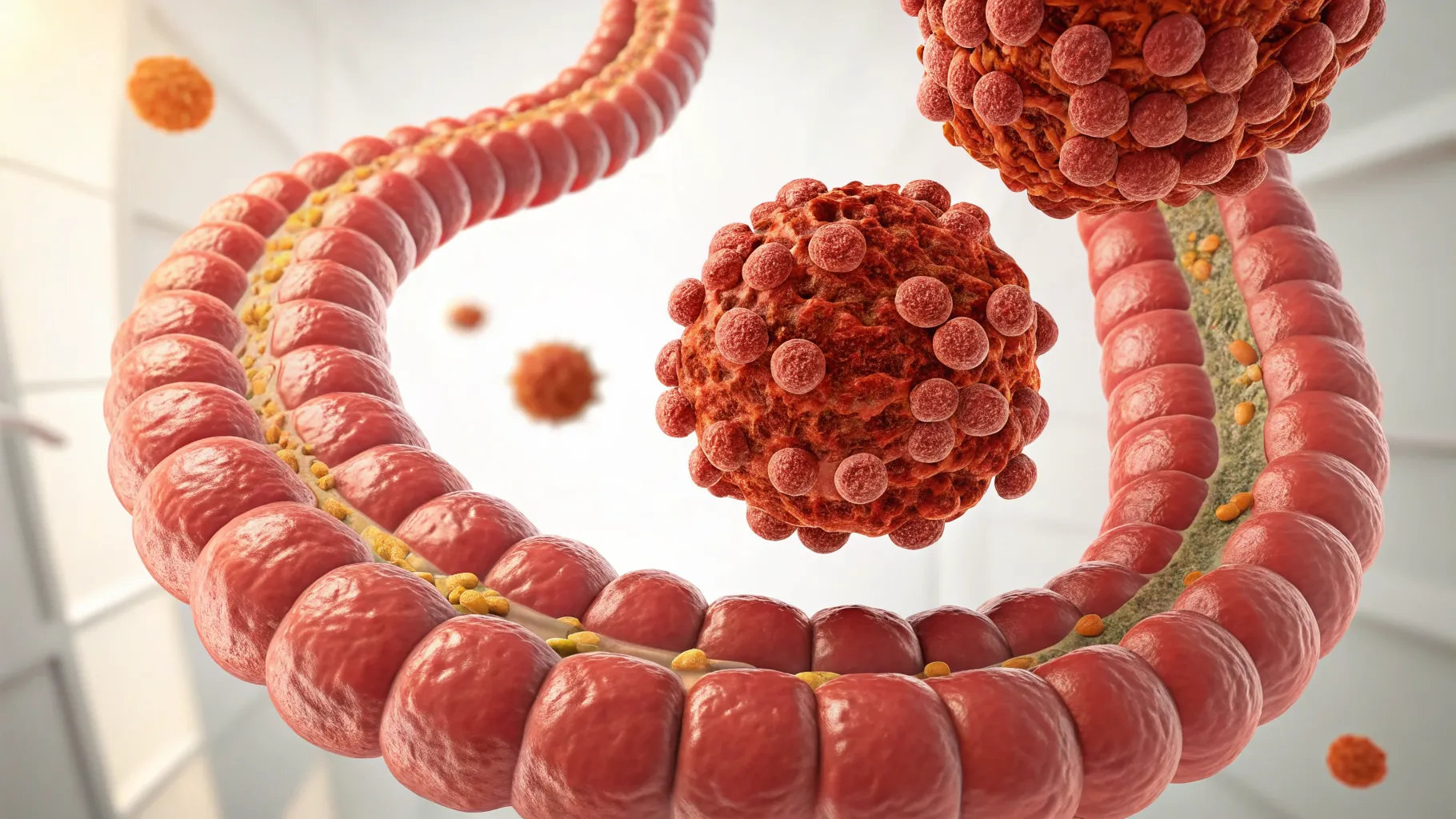
Recognizing the Warning Signs: A Deep Dive into Colon Cancer Symptoms
Early-stage colon cancer often presents with no symptoms, which is why screening is so critical. However, as the disease progresses, certain signs may appear. A persistent change in your bowel habits, including diarrhea or constipation or a change in the consistency of your stool, is one of the most common colon cancer symptoms. You might also experience rectal bleeding or find blood in your stool. Persistent abdominal discomfort, such as cramps, gas, or pain, can also be an indicator. Another significant symptom is a feeling that your bowel doesn't empty completely. Unexplained weight loss and persistent fatigue or weakness are also red flags. It is crucial to consult a healthcare provider if any of these symptoms last for more than a few weeks, as early detection significantly impacts the effectiveness of colon cancer treatment.
The Critical Role of Colon Cancer Staging and Diagnosis
Once colon cancer symptoms lead to a medical consultation, a series of diagnostic tests will be performed to confirm the presence of cancer. A colonoscopy is the gold standard for diagnosis, allowing a doctor to view the entire colon and remove any suspicious polyps for biopsy. If cancer is confirmed, the next step is determining its extent, a process known as colon cancer staging. Staging is vital because it dictates the most appropriate course of colon cancer treatment. The process typically involves imaging tests like CT scans, MRI, and PET scans to see if the cancer has spread from the colon to nearby lymph nodes or distant organs. The stages range from Stage 0, where the cancer is only in the innermost lining of the colon, to Stage IV, where it has metastasized to other parts of the body. Understanding the specific colon cancer staging is crucial for both the medical team and the patient to create an effective and personalized treatment plan.
Navigating Colon Cancer Treatment Options
The approach to colon cancer treatment is highly dependent on the cancer's stage, location, and the patient's overall health. For early-stage cancers, the primary treatment is often surgery to remove the cancerous polyps or a section of the colon. Minimally invasive surgery, such as laparoscopy, is frequently an option. For more advanced cases, a combination of treatments is common. Chemotherapy uses powerful drugs to kill cancer cells and is often used after surgery to eliminate any remaining cancer cells or to control cancer that has spread. Radiation therapy may be used, particularly for rectal cancer, to shrink tumors before surgery or to destroy remaining cancer cells afterward. In recent years, targeted therapies and immunotherapy have emerged as powerful tools, attacking specific vulnerabilities in cancer cells or boosting the body's own immune system to fight the disease. The choice of colon cancer treatment is a collaborative decision between the patient and their oncology team.
Proactive Steps for Prevention and Risk Reduction
While not all colon cancer causes are preventable, certain lifestyle modifications can significantly lower your risk. Adopting a healthy diet rich in fruits, vegetables, and whole grains while limiting red and processed meats is a cornerstone of prevention. Regular physical activity is also strongly linked to a lower risk of developing colon cancer. Maintaining a healthy weight is crucial, as obesity is a significant risk factor. It is also important to avoid excessive alcohol consumption and to not smoke. Beyond lifestyle choices, regular screening is the most effective preventive measure. For individuals with an average risk, screenings typically begin around age 45. Those with a family history or other risk factors may need to start earlier. These proactive measures can dramatically reduce your chances of developing the disease and improve the prognosis if it is detected.
Frequently Asked Questions
What are the most common colon cancer symptoms?
The most common colon cancer symptoms include a persistent change in bowel habits (diarrhea or constipation), rectal bleeding or blood in the stool, persistent abdominal discomfort like cramps or pain, a feeling that the bowel doesn't empty completely, weakness or fatigue, and unexplained weight loss. It's important to see a doctor if these symptoms persist.
How is colon cancer staging determined?
Colon cancer staging is determined after a diagnosis is confirmed. It involves a series of tests, including CT scans, MRIs, and blood tests, to assess the size of the tumor and whether it has spread to nearby lymph nodes or distant organs. The stages range from 0 to IV and are critical for planning the right colon cancer treatment.
What are the main causes of colon cancer?
The exact colon cancer causes are not fully known, but several risk factors increase the likelihood of developing the disease. These include age (risk increases over 45), a personal or family history of colorectal cancer or polyps, inflammatory bowel diseases like Crohn's or ulcerative colitis, a genetic predisposition, and lifestyle factors such as a low-fiber, high-fat diet, lack of exercise, obesity, smoking, and heavy alcohol use.
What does colon cancer treatment typically involve?
Colon cancer treatment depends heavily on the stage of the cancer. Common treatments include surgery to remove the cancerous part of the colon, chemotherapy to kill cancer cells, radiation therapy to shrink tumors, and newer approaches like targeted therapy and immunotherapy, which focus on specific characteristics of the cancer cells or use the body's immune system to fight the cancer.
References
- American Cancer Society - Colorectal Cancer Facts & Figures
- National Cancer Institute - Colon Cancer Treatment (PDQ®)–Patient Version
- Mayo Clinic - Colon Cancer Overview
- Centers for Disease Control and Prevention - Colorectal Cancer Screening
Authored by FreshLifeWire team