Cold Hands and Feet Causes Explained and Circulation Issues
Understanding Cold Hands and Feet A Circulation Problem
Cold hands and feet are a common complaint, especially during the colder months. While many people chalk this up to simply the chilly weather, it's important to consider that this phenomenon could signal something more complex at play. Are cold hands and feet merely an annoyance or do they point towards potential circulation problems? Let’s delve into the causes, symptoms, and solutions related to this often overlooked yet important health issue.
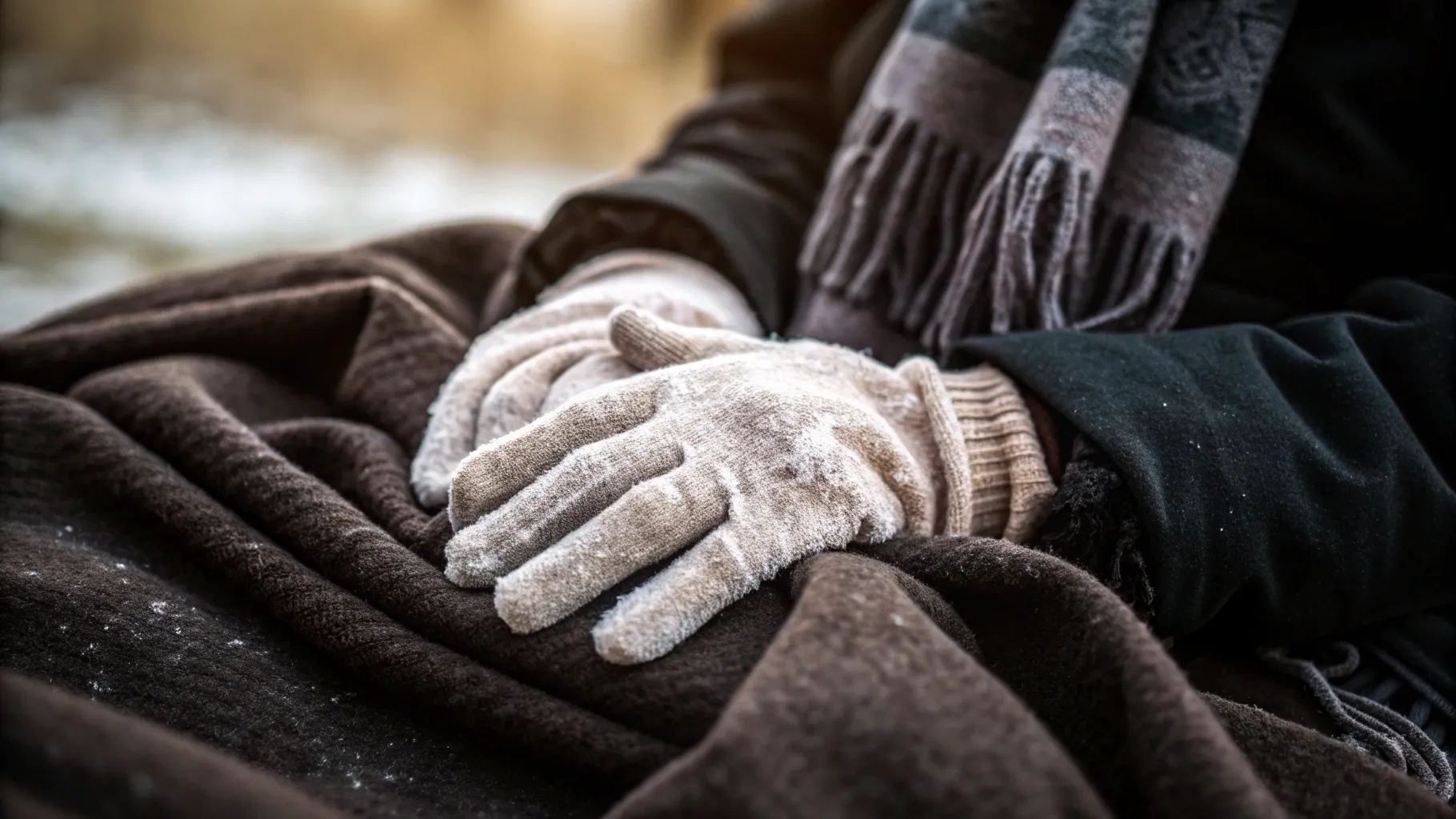
Causes of Cold Hands and Feet Explained
Temperature regulation in the human body is largely managed through the circulatory system. When extremities like hands and feet feel cold, it can indicate that the body is redirecting blood flow to maintain warmth in vital organs like the heart and lungs. However, persistent coldness may reveal deeper underlying health concerns that adversely affect circulation. Here are some prevalent causes:
- Poor Circulation: Conditions such as peripheral artery disease (PAD) reduce blood flow to the limbs, leading to cold extremities. Recent statistics highlight that about 8.5 million adults in the U.S. live with PAD, where narrowed arteries significantly impede healthy blood circulation.
- Raynaud's Disease: This unique condition affects blood flow to specific body parts, particularly fingers and toes. It manifests in episodes often triggered by cold weather or stress, where affected areas may turn white, then blue, and finally red when blood flow resumes. Current estimates suggest that approximately 5-10% of the population faces some variation of Raynaud's.
- Anemia: A shortage of iron can lead to anemia, which hampers the body’s ability to transport oxygen efficiently. As a result, cold extremities may prevail. According to the World Health Organization, around 1.62 billion people globally are affected by anemia, with iron deficiency being the most common cause.
- Diabetes: Diabetes can cause neuropathy, which adversely affects how nerves perceive temperature and sensation. Individuals with poorly controlled diabetes often report having colder hands and feet. Current data indicates that nearly 34.2 million Americans live with diabetes, making awareness of complications crucial.
- Hypothyroidism: An underactive thyroid can slow down metabolism and impact blood circulation, leading those affected to feel cooler than others. The American Thyroid Association crowdsourced data revealing that about 20 million Americans suffer from some type of thyroid disease.
In addition to the aforementioned medical ailments, lifestyle habits such as smoking exacerbate cold sensations in limbs. Nicotine serves as a vasoconstrictor, which further reduces blood flow to the fingers and toes. Notably, a study published in early 2025 revealed that smokers are up to three times more likely than non-smokers to experience symptoms linked to poor circulation.
Climate and Environment and Their Impact on Cold Extremities
While medical conditions play a pivotal role in how we experience temperature, external environmental factors cannot be overlooked. Cold climates, particularly in winter months, naturally decrease body temperature and exacerbate feelings of coldness in hands and feet. This is especially prevalent in regions where winter temperatures plummet below freezing, leading many residents to report increased coldness in their extremities. Furthermore, elements like humidity and wind chill can further intensify the discomfort associated with cold hands and feet.
It's also interesting to note that gender differences influence one’s experience of cold extremities. Recent studies suggest that women report experiencing cold hands and feet more frequently than men. This disparity often stems from hormonal variations, particularly estrogen, which directly affects blood flow and circulation. As a result, women may notice more pronounced temperature fluctuations, especially during menstrual cycles or pregnancy.
Effective Solutions and When to Seek Medical Attention
For those who grapple with cold hands and feet occasionally, there are several practical lifestyle strategies that can help mitigate this discomfort:
- Stay Active: Regular physical exercise boosts circulation, significantly reducing the likelihood of cold extremities.
- Dress Appropriately: Wearing warm layers of clothing, particular attention to your hands and feet—think wool socks and insulated gloves—can aid in maintaining comfortable blood flow and overall warmth.
- Avoid Smoking: Quitting smoking dramatically enhances overall circulation and may lead to fewer incidents of feeling cold in the limbs.
- Manage Stress: Elevated stress can contribute to poor circulation. Engaging in relaxation practices such as yoga or meditation helps manage bodily and mental temperatures effectively!
However, if cold hands and feet are persistent, coupled with other symptoms like pain, numbness, or noticeable color changes in the skin, it is essential to seek advice from a healthcare professional. Early detection and intervention can often prevent more serious conditions while providing targeted treatment options tailored to your symptoms.
It’s worth noting that understanding what causes cold extremities and recognizing possible methods to alleviate discomfort is crucial in maintaining one's overall health. Regular medical check-ups are a wise approach to ensuring that your circulatory system remains strong and to catch any potential issues before they escalate into larger health concerns.
In summary, while experiencing cold hands and feet can frequently result from environmental factors or seasonal changes, it can also serve as a warning signal about circulation-related health issues. Awareness and proactive management can lead to a warmer, healthier lifestyle.
Stay warm, pay attention to your body’s signals, and make informed choices about your health!
Authored by FreshLifeWire team