Cold Hands and Feet Causes and Circulation Issues Explained
Understanding Cold Hands and Feet
Many people experience the uncomfortable sensation of cold hands and feet, which may lead them to worry about underlying circulatory issues. Our circulatory system plays a crucial role in delivering oxygen and vital nutrients throughout the body. When its efficiency is compromised, symptoms like cold extremities can arise. It's important to explore the various factors that might contribute to this phenomenon.
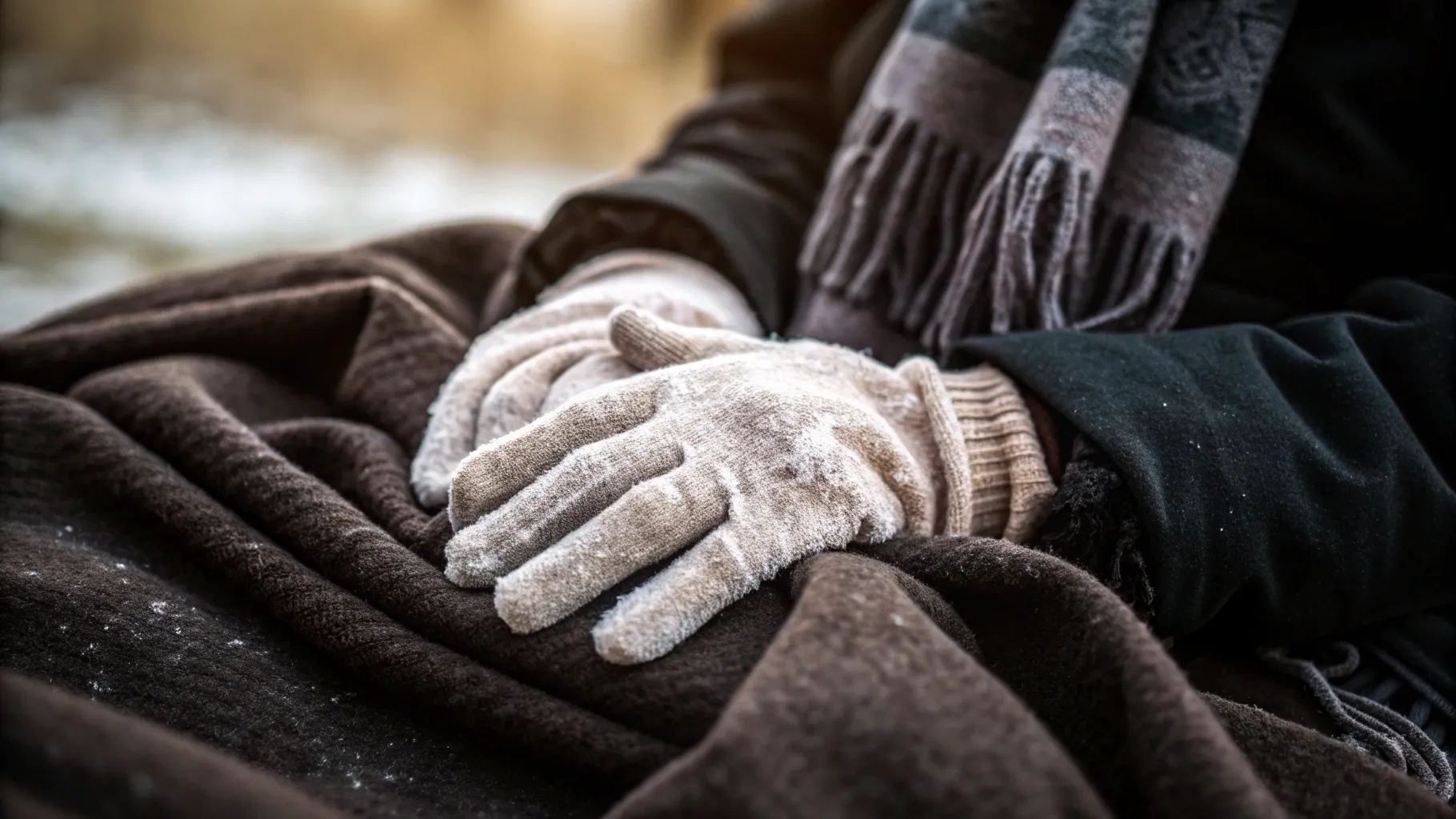
What Causes Cold Hands and Feet?
Understanding the many reasons behind cold hands and feet is essential for determining whether these symptoms are linked to serious health concerns. Here are some common causes:
- Poor circulation: Poor or restricted blood flow is the most direct connection to cold extremities. Conditions such as peripheral artery disease (PAD) can significantly limit blood flow to the limbs, resulting in cold sensations.
- Nerve damage: Conditions like neuropathy, particularly in individuals with diabetes, can impact the nerves responsible for temperature regulation and sensation in the fingers and toes.
- Raynaud's phenomenon: This condition results in excessive constriction of small blood vessels in response to cold exposure or stress, leading to cold hands and feet. Affected individuals may often notice their fingers turn white or blue.
- Hypothyroidism: An underactive thyroid can slow down metabolism, which may translate to reduced heat production and colder extremities.
- Other health conditions: Various other health concerns like anemia, lupus, or even anxiety disorders may also impair blood circulation, leading to coldness in the hands and feet.
Signs Indicative of Circulation Problems
If you frequently encounter cold hands and feet, especially alongside other symptoms, it might indicate a more serious circulation problem. Being aware of these signs is crucial for timely medical intervention:
- Persistent coldness: If your hands and feet feel cold regardless of environmental temperature or appropriate clothing, this might reflect circulatory challenges.
- Color changes: Observing your skin turning pale, blue, or red, particularly after temperature shifts, can signal impaired blood flow.
- Swelling: Noticeable puffiness or swelling in your extremities may indicate fluid retention often associated with circulation issues.
- Pain or numbness: Any discomfort, tingling, or loss of sensation in the hands or feet could suggest an underlying issue affecting blood vessels or nerves.
- Ulcerations or sores: Skin integrity changes, such as sores that don’t heal properly, can be signs of poor circulation.
Statistics and Trends
Recent studies highlight that complaints of cold hands and feet are on the rise. According to reports from the American Heart Association, a staggering 8.5 million Americans are currently diagnosed with peripheral artery disease, showcasing a significant correlation to possible circulation problems. Additionally, surveys in 2025 indicate that more than 30 percent of adults have experienced cold extremities even during warmer weather, reflecting a growing consciousness regarding circulatory health.
In real-world contexts, alarming cases have surfaced just recently. For instance, a 78-year-old female patient from a city in the Northeast shared her experiences with chronic cold hands and feet. After medical evaluation, she was diagnosed with PAD, underscoring the fact that this issue is prevalent, especially among older adults. This timely diagnosis allowed her healthcare team to initiate appropriate interventions, vastly improving her day-to-day comfort.
Exploring Raynaud's Phenomenon
Raynaud’s phenomenon warrants special attention given its impact on thousands of individuals worldwide. Current statistics reveal that it affects approximately 5 to 10 percent of the global population and is notably more prevalent in women. Those who experience Raynaud's typically observe rapid color changes in their fingers and toes, often alternating from white to blue, followed by redness upon warming up. While many individuals cope with mild symptoms, a small percentage may encounter severe complications requiring attentive medical care.
Managing Cold Hands and Feet
If you find yourself frequently troubled by cold hands and feet, adopting some practical strategies can help enhance circulation and ease discomfort effectively. Implementing these lifestyle changes can make a notable difference:
- Regular exercise: Engaging in physical activity consistently improves blood flow and keeps your circulatory system functioning optimally. Whether it’s brisk walking, cycling, or participating in water aerobics, physical movement makes a significant difference.
- A balanced diet: Prioritizing a diet rich in antioxidants and omega-3 fatty acids contributes to vascular health. Incorporate fresh fruits, vibrant vegetables, and healthy fats into your meals to nourish your body better.
- Stay warm: It’s essential to layer your clothing as well as ensure your feet are cozy with socks and gloves during colder months. This precaution helps minimize discomfort from cold extremities.
- Hydration: Keeping well-hydrated enhances blood volume and promotes circulation, ensuring your extremities receive the essential blood flow they need.
- Avoiding smoking: Quitting smoking is critical, as the harmful chemicals in tobacco can lead to constricted blood vessels and chronic circulation issues.
By actively implementing these lifestyle changes, many individuals have successfully managed the symptoms related to cold hands and feet. Consulting with a healthcare professional can also help determine any underlying causes and ensure that any complications are addressed appropriately.
The Importance of Attention to Extremity Health
While cold hands and feet can sometimes merely pose a minor annoyance, they may also point to significant underlying circulatory concerns. Understanding the root causes and recognizing the symptoms associated with these conditions empower individuals to take charge of their health. As medical research continues to deepen our understanding of circulatory issues, more and more people are becoming attuned to their body’s signals, leading to proactive healthcare decisions that can enhance overall well-being. Through lifestyle adjustments or prompt medical attention, addressing these cold extremities can pave the way for a healthier, more comfortable life.
Authored by FreshLifeWire team