How to Clean Grapes with Baking Soda Step by Step Guide
How To Clean Grapes With Baking Soda
Cleaning fruits and vegetables is an essential practice for food safety, especially for items like grapes, which are often eaten without peeling. In 2025, more people than ever are aware of pesticide residues on their produce. Among various methods for washing fruits, using baking soda has gained popularity due to its effectiveness in eliminating dirt, germs, and pesticides. In this article, we will discuss a step-by-step grape cleaning method using baking soda, explore why it helps remove pesticides, offer food safety tips, and share how to store grapes after washing.
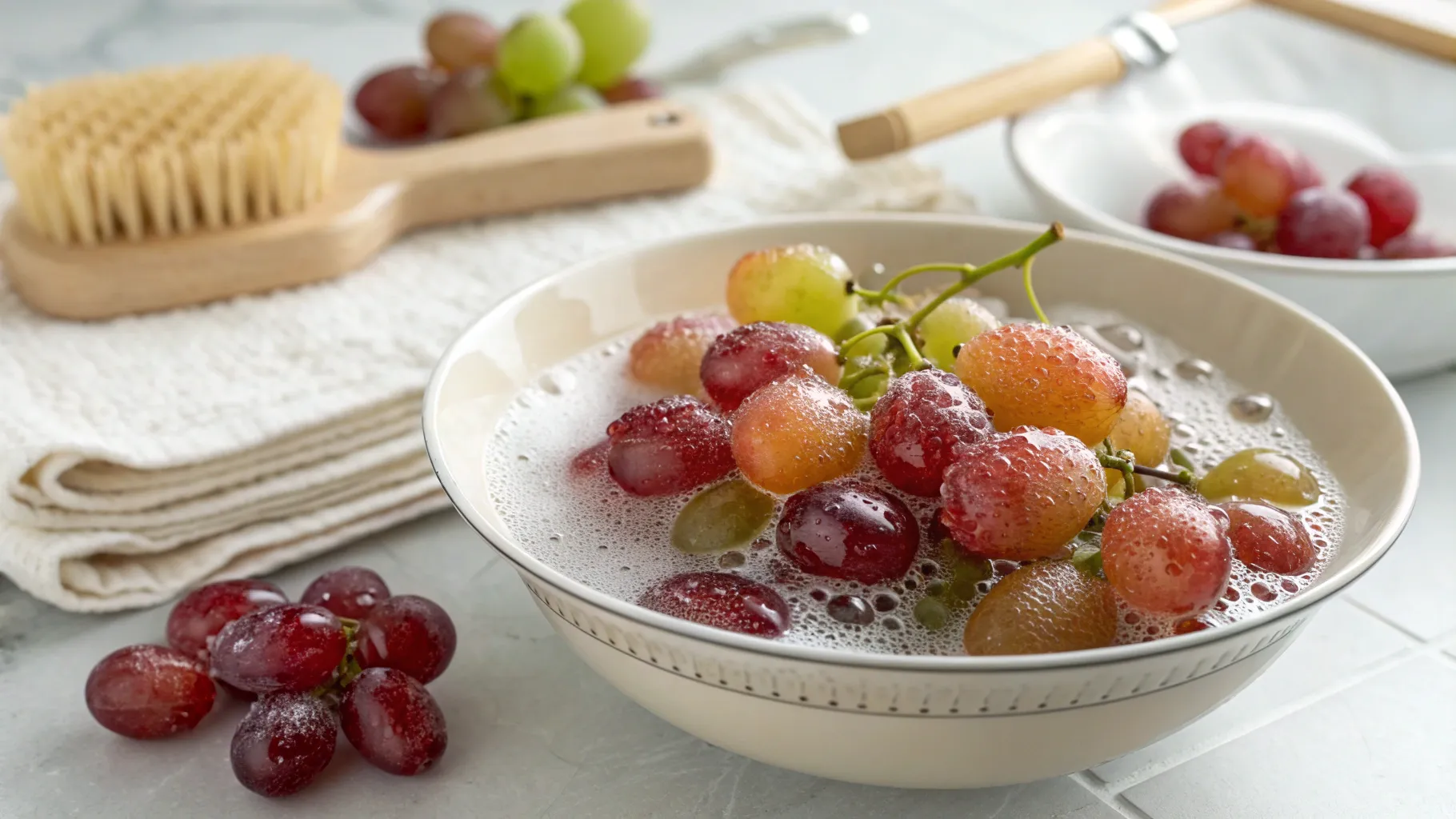
Step by Step Grape Cleaning Method
Cleaning grapes effectively can help you enjoy them without worrying about harmful residues. Here’s a straightforward, step-by-step method you can follow:
- Gather Your Supplies: You will need a clean bowl, baking soda, a soft brush or cloth, and cold water.
- Prepare the Solution: In the bowl, mix one tablespoon of baking soda with about two cups of cold water. This solution will neutralize any potential contaminants.
- Soak the Grapes: Add your grapes to the baking soda solution and let them soak for about 10 to 15 minutes. This soaking time allows the baking soda to effectively break down pesticide residues.
- Brush and Rinse: After soaking, use a soft brush or cloth to gently scrub the grapes, focusing on the stems and any clusters. This process helps remove dirt and residues more effectively. Rinse the grapes thoroughly under cold running water to remove any remaining baking soda and impurities.
- Dry the Grapes: Spread the grapes out on a clean kitchen towel or paper towels to dry completely before storing.
Following this step-by-step grape cleaning method ensures you are doing your best to remove unwanted substances and enjoy your fruit safely.
Why Baking Soda Helps Remove Pesticides
Baking soda, or sodium bicarbonate, is a powerful natural cleaning agent due to its slightly alkaline properties. Studies have shown that it effectively breaks down certain types of pesticides. For instance, research published by the Food and Drug Administration in 2024 revealed that a baking soda solution can eliminate up to 90% of certain pesticide residues from the surface of grapes. This is particularly important because many pesticides are designed to stick to the fruit skin to remain effective against pests.
When grapes are soaked in a baking soda solution, the chemical interaction helps lift these residues away, making it easier to rinse them off during washing. As a safe and non-toxic option, baking soda is an eco-friendly alternative to chemical cleaning agents, aligning with growing consumer interest in health-conscious and sustainable practices.
Food Safety Tips for Washing Fruit
Ensuring food safety while washing fruits like grapes is crucial. Here are some essential tips to consider:
- Use Cold Water: Always rinse fruits under cold running water. This helps to ensure that contaminants are efficiently washed away without cooking or affecting the fruit's texture.
- Avoid Soap: Never wash fruits with soap or detergent, as these can leave harmful residues on the fruit itself.
- Wash Before Eating: Always wash fruits right before eating or consuming them, even if you plan to peel them. Handling fruits can transfer dirt and bacteria from the surface.
- Keep Produce Separate: Store and wash fruits separately from raw meat to prevent cross-contamination.
- Inspect for Damage: Always check fruits for moldy or damaged spots, as they can harbor additional bacteria.
By following these safety tips, you can significantly reduce the risk of foodborne illness while enjoying nutritious snacks like grapes.
How to Store Grapes After Washing
Once your grapes are cleaned, storing them properly is vital to maintaining their freshness. Here are some effective storage tips:
- Keep them Dry: Ensure grapes are completely dry before placing them in storage. Excess moisture can lead to mold growth and spoilage.
- Use a Ventilated Container: Store grapes in a breathable container, such as a mesh bag or a bowl covered with a clean cloth. Avoid airtight containers, as they trap moisture.
- Refrigerate: Grapes should be stored in the refrigerator at a temperature of around 30 to 32 degrees Fahrenheit. This temperature helps maintain freshness and crispness.
- Avoid Washing Until Ready to Eat: If you prefer to store unwashed grapes, do so until you're ready to eat them. Washing too early can shorten their shelf life.
By following these storage techniques, you can keep your grapes fresh for a longer period, ensuring you always have a healthy snack ready at your convenience.
Alternatives to Baking Soda for Cleaning Grapes
While baking soda is a fantastic choice for cleaning grapes, there are other alternatives worth mentioning if you’re looking for variety:
- White Vinegar: Mix one part vinegar with three parts water. This solution can help remove residues and germs, though it may leave a slight vinegar taste.
- Salt Water: A mixture of salt and water can also be effective, with many using this method for a quick rinse to combat dirt and pesticides.
- Commercial Fruit Washes: There are several commercially available fruit wash products that are specifically designed to clean produce. These are usually made from natural ingredients and can be an effective alternative.
Experimenting with these alternatives can help you find what works best for your preferences while ensuring you keep your grapes safe and clean.
Authored by FreshLifeWire team