Explore Circle Hooks for Sale Fishing Tips and Regulations
Circle Hooks for Sale: Your Guide to Efficient Fishing
As the popularity of sustainable fishing practices rises, anglers are increasingly turning to circle hooks. These specially designed hooks differ significantly from traditional J hooks and offer numerous benefits, especially for catch-and-release fishing. This article explores everything from the best sizes for various saltwater species to their regulations and benefits.
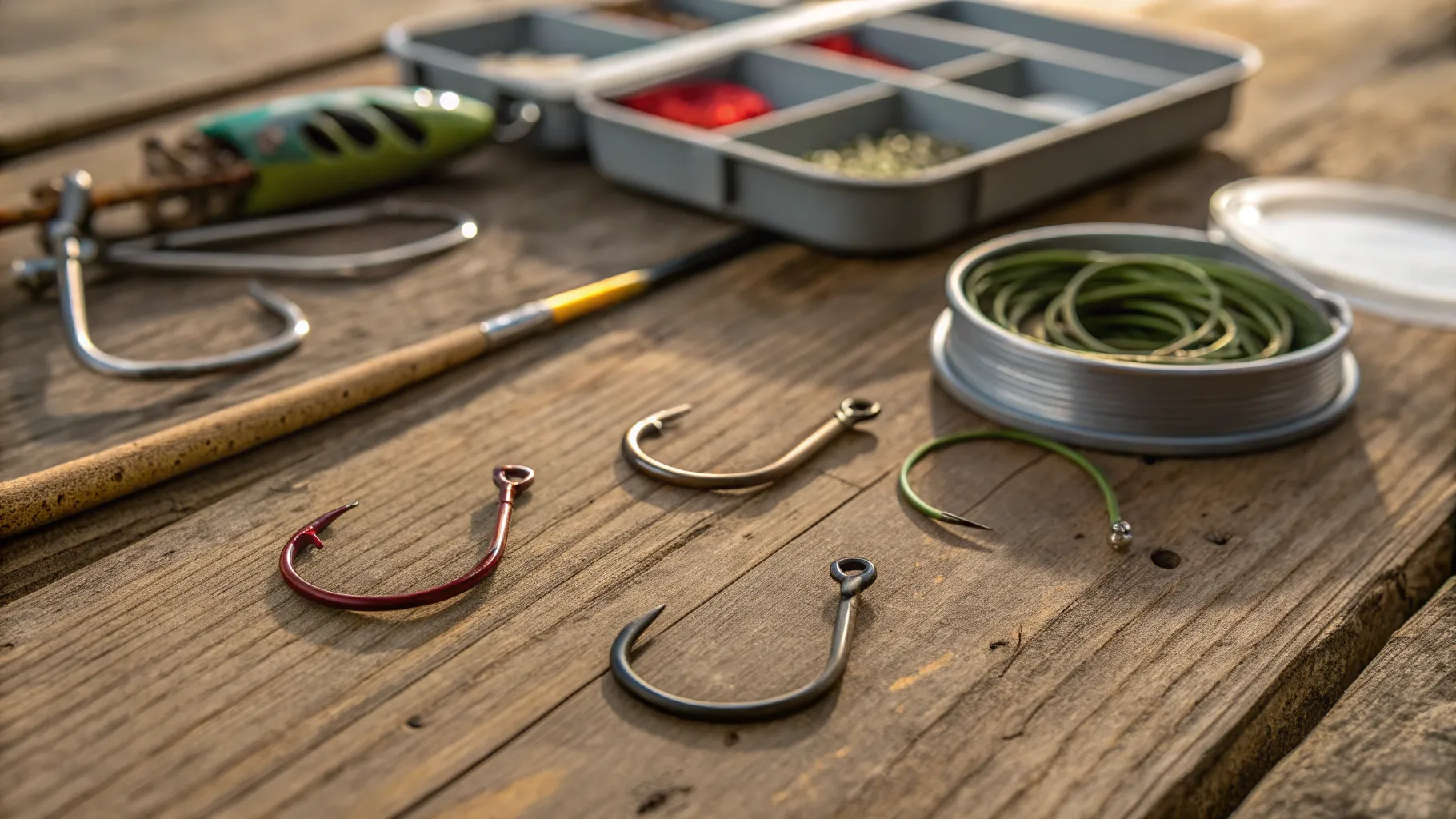
Circle Hooks vs J Hooks
The debate between circle hooks and J hooks has been a hot topic among sport fishermen and commercial anglers alike. While both hook types can catch fish, they operate very differently. Circle hooks are designed with a distinct circular shape that promotes a more effective hook set. When a fish takes the bait, the hook typically slides into the corner of the fish's mouth rather than snagging on the lip, which leads to fewer injuries in the fish, particularly in catch and release situations.
- Circle hooks are less likely to cause deep throat hooking, making them perfect for species you intend to release.
- J hooks, in contrast, require a swift hook set. This can result in more foul hooking, especially if anglers are inexperienced or unprepared.
- Studies show that using circle hooks can improve survival rates of released fish by up to 30% compared to J hooks when targeting species like cobia and tarpon.
In the interest of conservation, many fisheries now recommend circle hooks as part of their sustainable fishing guidelines. This shift is not just about preserving species but also about ensuring future generations can enjoy the sport.
Best Size Circle Hooks for Saltwater Fishing
When it comes to saltwater fishing, selecting the right size circle hook is critical. The size you choose will depend on the species you're targeting. For example:
- For smaller fish like snapper: Sizes 2/0-4/0 are ideal.
- Mid-sized species like grouper: A 5/0-7/0 hook works best.
- For larger game such as tuna or shark: Sizes 8/0 and above are needed to handle their strength.
It's essential to consider the bait and techniques used as well. For example, if you're using live bait, a smaller hook may work better to prevent the bait from being too large for the fish to swallow. Conversely, when targeting larger fish, pair your bait with a larger circle hook to ensure a proper hook set.
How to Rig Circle Hooks
Rigging circle hooks correctly is essential to maximize their effectiveness. Here’s a simple guide to help you:
- Choose the right bait: Whether live or cut bait, this is essential for attracting fish.
- Insert the hook correctly: For live bait, insert the hook through the nostril or under the dorsal fin. This will allow the bait to swim naturally.
- Do not set the hook too quickly: Allow the fish to take the bait. When you feel resistance, simply reel in slowly.
- Check your line tension: Maintaining steady tension will keep the hook in the corner of the fish’s mouth.
These techniques will help ensure that you don’t miss out on any bites and that the fish you catch will be less damaged, enhancing their chance of survival if released.
Circle Hooks for Catfish and Tuna
Circle hooks are not just for small game; they are also incredibly effective for larger species like catfish and tuna. In recent years, anglers have reported outstanding success using circle hooks for catfishing, particularly when using live bait or cut bait. A 5/0 to 7/0 circle hook works brilliantly here.
For tuna fishing, particularly on offshore trips, larger hooks (up to 10/0) are often recommended. The key to successfully catching tuna with circle hooks is patience. Let the fish take the bait and hook itself—this minimizes the chances of losing your catch. Studies reveal that catch rates can improve by over 25% using circle hooks for these high-energy fish.
Barbless Circle Hooks Benefits
Barbless circle hooks have gained traction in the fishing community, particularly focusing on the catch-and-release aspect of the sport. These hooks are easier to remove, reducing the time a caught fish remains out of water. The removal process is often quicker and less traumatic, allowing fish to quickly recover and swim away.
- Barbless hooks minimize the risk of causing severe injuries during the catching and releasing process.
- Many fisheries encourage the use of barbless hooks to promote sustainable fishing practices.
- They are often a requirement in certain fishing regulations to protect specific species.
In areas known for high levels of fish capture, using barbless circle hooks can significantly boost fish populations by enhancing survival rates.
Circle Hook Regulations and Tips
As with any fishing practice, being aware of the regulations regarding circle hooks is crucial. Many fisheries have specific rules surrounding their use, particularly in catch-and-release environments. Always check local laws before your trip. Some tips include:
- Familiarize yourself with local fishing regulations regarding circle hook sizes, especially in sensitive ecosystems.
- Participate in conservation efforts that might require using specific hook styles to protect species in decline.
- Engage with local fishing communities or clubs that focus on sustainable practices; they can often provide useful, real-time insights into effective gear choices.
Being a responsible angler is about more than just catching fish; it's about ensuring that future generations can also enjoy the thrill of fishing. Switching to circle hooks can play a significant role in this effort.
The growing trend toward sustainable fishing encourages anglers to consider their tactics carefully. If you're looking for effective fishing, whether for sport or relaxation, investing in quality circle hooks will deliver excellent results while also nurturing the waters you love to fish.
Authored by FreshLifeWire team