Choosing the Right Garage Door Styles and Materials Guide
Guide to Choosing the Right Garage Door
Choosing the right garage door is crucial for any homeowner. It doesn’t just serve a functional purpose—protecting your car and belongings—it also plays a significant role in your home's curb appeal. In 2025, as homeowners prioritize both aesthetics and practicality, understanding the myriad of options available is essential. This guide will delve into the various styles and materials of garage doors, weigh the factors that affect pricing, and highlight maintenance tips to ensure longevity.
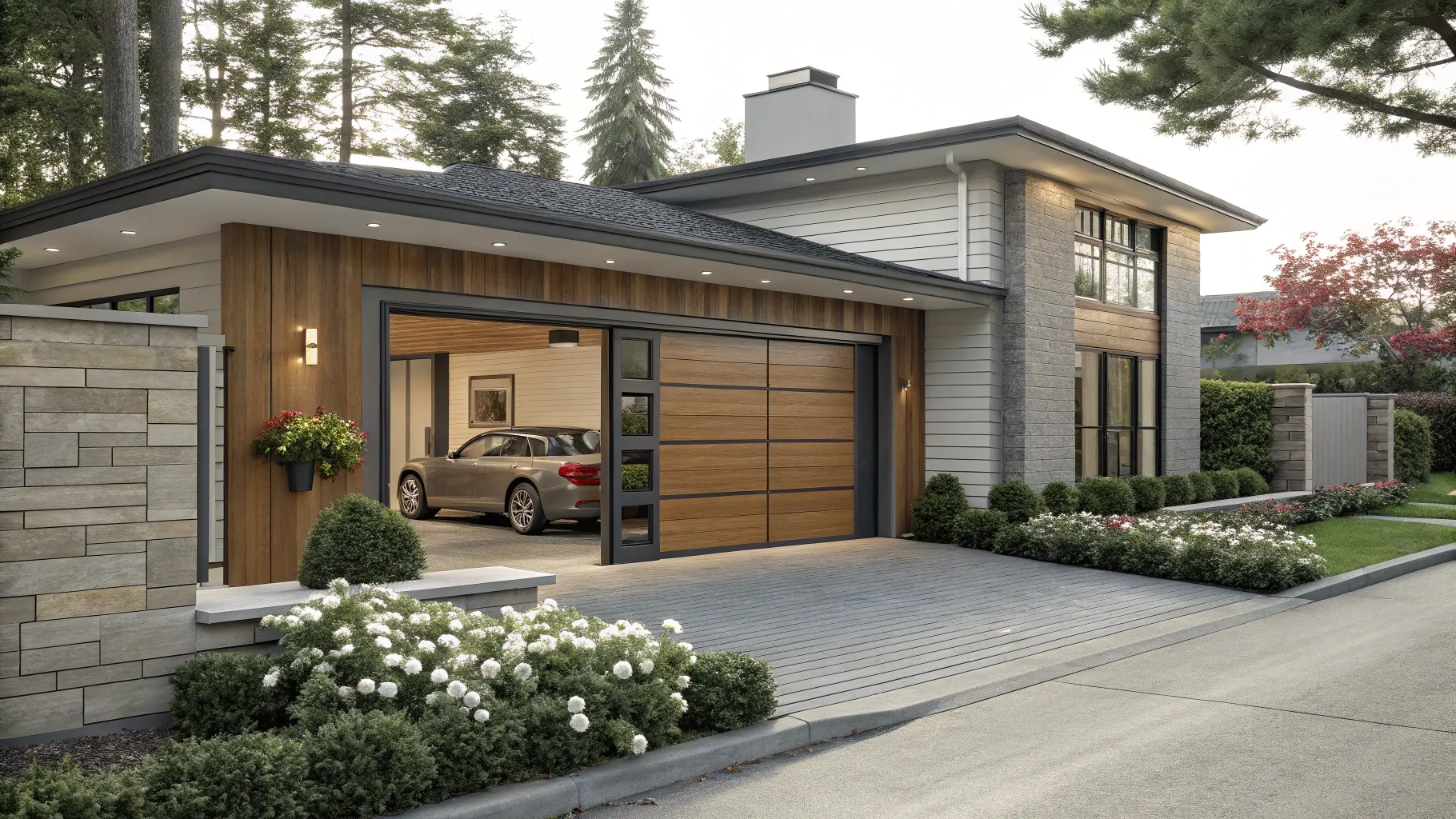
Understanding Garage Door Styles and Materials
When exploring garage door options, you’ll find a diverse range of styles and materials, each offering distinct advantages and disadvantages. From sectional to swing-out designs, the choice can dramatically impact the look and functionality of your home.
Garage Door Styles
- Sectional Garage Doors: These are the most popular choice among homeowners. Constructed from several horizontal panels, they slide up and over the tracks, minimizing the necessary space. Their versatility allows for a variety of designs to match your home's aesthetic.
- Roll-up Garage Doors: Perfect for limited spaces, roll-up doors consist of a curtain that rolls into a coil. They are an excellent option for commercial settings but are also becoming popular among homeowners looking for space-saving solutions.
- Swing-out Garage Doors: With a charming and vintage appearance, swing-out garage doors operate like traditional carriage doors. They open outward and require sufficient space in front, which can be an important factor in tight driveways.
- Tilt-up Garage Doors: These doors utilize a single panel that tilts up and outward. While they are simple and can be aesthetically pleasing, they do require some clearance along the driveway for optimal operation.
Garage Door Materials
The material of your garage door is a critical aspect to consider as it influences durability, maintenance, and security. Here are some of the most common materials:
- Steel: This material remains a favorite due to its strength, affordability, and low maintenance requirements. Steel doors can also come insulated, providing energy savings in regions with extreme temperatures.
- Wood: Known for its natural beauty, wooden doors can be customized to fit your style. However, they require regular maintenance to mitigate risks of rotting and warping.
- Aluminum: Lightweight and rust-resistant, aluminum is especially suitable for homes in coastal areas. Although it may not provide the same level of insulation as steel or wood, it is durable and long-lasting.
- Fiberglass: This modern material can beautifully replicate the aesthetic of wood while offering more resistance to dents and corrosion. Fiberglass doors are often used for energy-efficient designs.
Choosing Garage Door Price Wisely
The cost of a garage door varies widely depending on the choice of style, materials, and even installation complexities. As of now, prices typically range from $800 to $2,500.
For instance, a standard steel garage door generally falls between $800 and $1,200, while custom wooden options can cost significantly more, often exceeding $2,500. It’s also worth noting that enhancing your door with insulation might increase the initial cost but can result in considerable long-term energy savings.
Installation Costs
Don’t overlook installation when budgeting for your new garage door. Professional installation fees typically range from $200 to $500, depending on your location and door type. Hiring professionals ensures not only proper installation but also your safety, particularly for heavier models requiring specialized hardware.
Factors Affecting Garage Door Prices
- Material: As highlighted, the choice of material has a major impact on the overall price.
- Size: Standard doors tend to be cheaper, whereas custom sizes can dramatically increase your costs due to the need for extra materials and labor.
- Location: Depending on your geographic area, labor costs can vary significantly, affecting the overall cost.
Garage Door Maintenance for Longevity
After investing in a new garage door, consistent maintenance is key to maximizing its lifespan. Here are some easy but effective maintenance tips:
- Regular Inspections: Periodically check for signs of wear such as rust, dents, or any malfunctions. Listen for odd noises that might indicate an issue when operating the door.
- Lubrication: Apply a silicone-based lubricant to tracks and rollers approximately once every six months to ensure smooth operation.
- Weather Stripping: Inspect and replace weather seals if needed to enhance energy efficiency and prevent water leaks into your garage.
- Professional Check-ups: It's wise to schedule an annual inspection with a garage door professional. This can help you spot potential issues before they become costly repairs.
Choosing the right garage door not only enhances your home's overall appearance but also contributes to your security and energy efficiency. It’s essential to take the time to research styles, materials, and maintenance requirements. Whether you’re leaning towards steel for its durability or wood for its charm, there’s an ideal garage door waiting to elevate your home’s appeal. As homeowners continue to invest in their properties, understanding these elements in 2025 is paramount to making a choice that blends beauty, safety, and functionality seamlessly.
Authored by FreshLifeWire team