Choosing the Right Artificial Grass for Your Space
How to Choose Artificial Grass for Your Yard
As homeowners increasingly seek sustainable and low-maintenance landscaping options, artificial grass has rapidly become a top choice. With its ability to enhance aesthetics while providing practical benefits, the right artificial grass can elevate your yard's appeal in 2025 more than ever before. To ensure you make a well-informed decision, it’s important to consider key factors concerning your specific needs, the environment, and intended use.
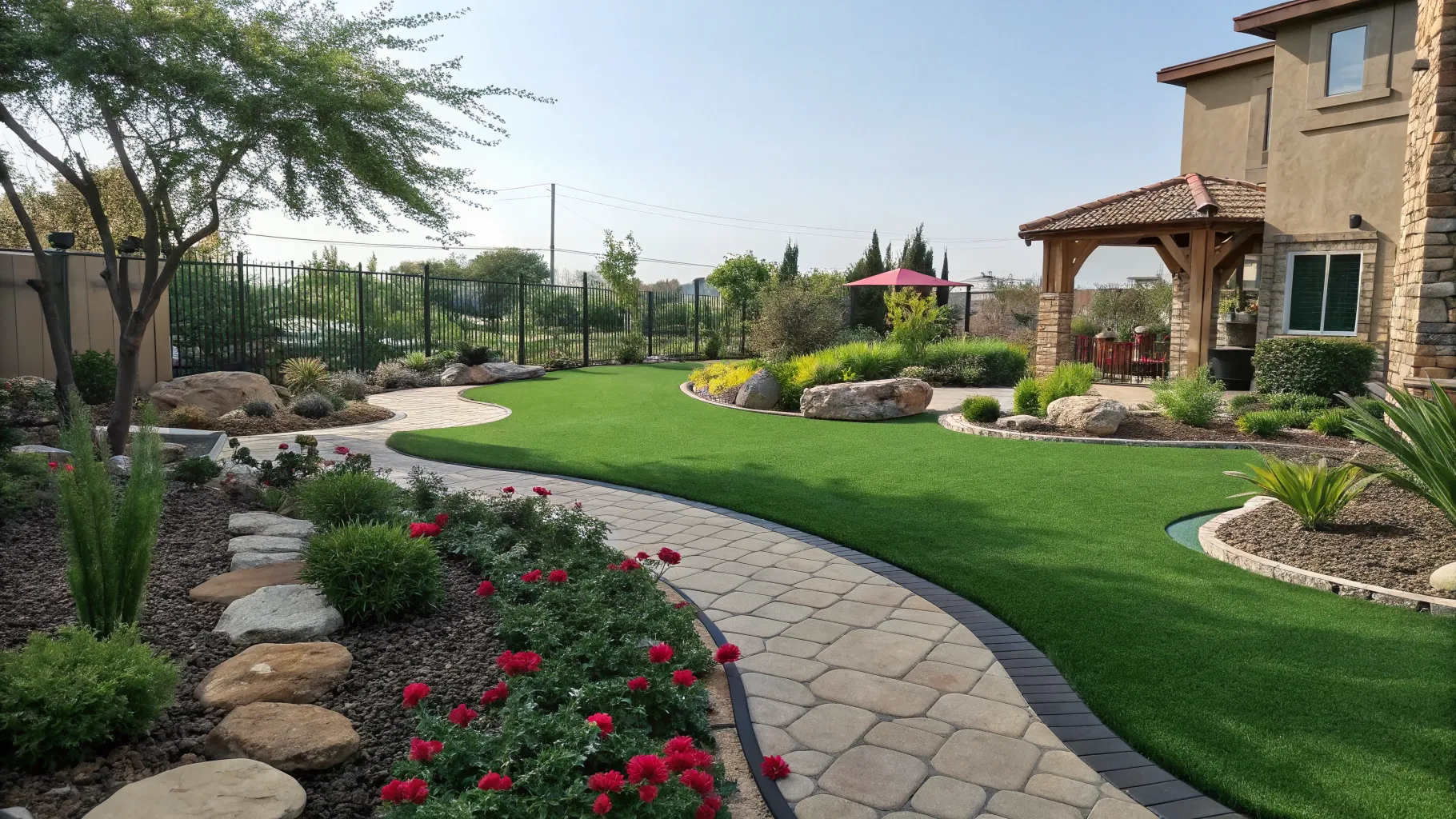
Types of Artificial Grass: What You Need to Know
Artificial grass comes in various types, each engineered for particular environments and uses. Here's an overview:
- Landscape Grass: Perfect for general lawns, landscape grass closely resembles natural grass and is ideal for residential applications. Its diverse blade lengths and colors allow for a realistic appearance that can complement any garden style.
- Pet Grass: Tailored for pet owners, this robust option is durable and easy to clean. Many varieties include built-in drainage systems that make it simple to manage moisture and odors, thus ensuring a hygienic space for your furry friends.
- Sports Turf: Designed to withstand heavy foot traffic associated with athletic fields and courts, sports turf supports various athletic activities while providing excellent ball response, a crucial factor for sports enthusiasts.
- Playground Grass: Specifically crafted for safe play areas, this type of grass features cushioning to protect against falls and is produced from non-toxic materials, making it suitable for children’s playgrounds.
What to Consider When Choosing Artificial Grass
When selecting artificial grass, several significant factors come into play that can impact your choice:
- Intended Use: What will be the primary use of your artificial grass? For families with kids or pets, pet grass or playground grass might be the best option. For landscaping, aesthetic appeal should be your priority.
- Traffic Levels: Consider the amount of foot traffic your grass will experience. High-traffic areas need premium turf made from quality materials that can endure regular wear and tear without deteriorating.
- Climate Adaptation: Different types of artificial grass perform variably under differing weather conditions. If you reside in an area with scorching summers, for example, opt for UV-resistant grass that won’t fade with exposure to sunlight.
- Drainage: Proper drainage is vital, especially in areas prone to water retention. Choosing grass that provides superior drainage solutions is particularly important for pet grass, ensuring health and cleanliness for pets.
- Material Quality: Opt for grass made from high-quality materials like polyethylene or polypropylene. These materials offer durability and a natural look, standing up well to harsh weather conditions.
Choosing Artificial Grass for Your Terrace: Tips and Tricks
Your terrace serves as an invitation for relaxation and entertainment, which necessitates careful consideration when picking artificial grass. In 2025, the market offers numerous options that can elevate the beauty and functionality of your outdoor spaces.
Key Aspects of Selecting Terrace Artificial Grass
When on the hunt for artificial grass tailored for a terrace, think about the following key points:
- Height and Density: Medium-height grass with a dense texture is optimal, providing that lush appearance characteristic of well-maintained lawns without overwhelming the available space.
- Color Compatibility: Choose grass hues that blend seamlessly with your terrace's overall color scheme. Variegated green tones are particularly effective, creating a natural and harmonious look.
- Softness Matters: Since terraces often serve as lounging areas, opt for grass made from soft materials that feel great underfoot, encouraging relaxation during warm evenings.
- Durability: Ensure the grass can withstand sun exposure and occasional spills from outdoor gatherings, contributing to its longevity and usability.
Identifying Quality Artificial Grass
Knowing how to spot high-quality artificial grass can prevent costly missteps. Here are some points to consider:
- Sturdy Backing: Look for grass with a strong backing that resists tearing and splitting while allowing for adequate drainage.
- Blade Count: The more densely packed the blades, the more realistic and lush your grass will appear. Aim for a pile weight of at least 60 ounces to ensure a high-quality appearance.
- Soft Texture: Quality grass should feel soft and pleasant underfoot, avoiding harsh abrasiveness that detracts from comfort.
- UV Protection: Ensure the grass is equipped with UV resistance to prevent fading over time, making the investment worthwhile even in sunny conditions.
Choosing Artificial Grass Based on Space Usage
When considering the best artificial grass for various spaces—be it a backyard, front lawn, balcony, or rooftop garden—different requirements must be taken into account. Here’s how to assess each area:
- Backyard: For a backyard designated for family fun and activities, opt for high-density grass which can handle the rigors of play from children and pets alike.
- Front Lawn: Aesthetics play a pivotal role here. Select visually appealing grass that boasts a lush appearance, significantly enhancing your home’s curb appeal.
- Balcony: In compact spaces, consider lighter grass options that ease maintenance and do not overwhelm the area, blending practicality with aesthetic charm.
- Rooftops: Rooftop gardens benefit from lighter synthetic turf that stands up to high winds and incorporates effective drainage solutions for rainwater management.
As you explore the options available for your yard in 2025, thorough research proves invaluable. Manufacturer samples can be instrumental in the decision-making process, allowing you to visualize how various selections might work in your unique environment. By taking into account the factors discussed, you can confidently choose artificial grass that fulfills both practical needs and aesthetic desires for your home.
Authored by FreshLifeWire team