How Often Should You Change Your Toothbrush for Health
Changing a Toothbrush: How Often Should You Really Do It?
When it comes to maintaining good oral hygiene, the question of how often you should change your toothbrush is often overlooked. In 2025, many people still cling to the age-old belief that a toothbrush can last forever. However, dental professionals advocate for a more systematic approach to toothbrush replacements.
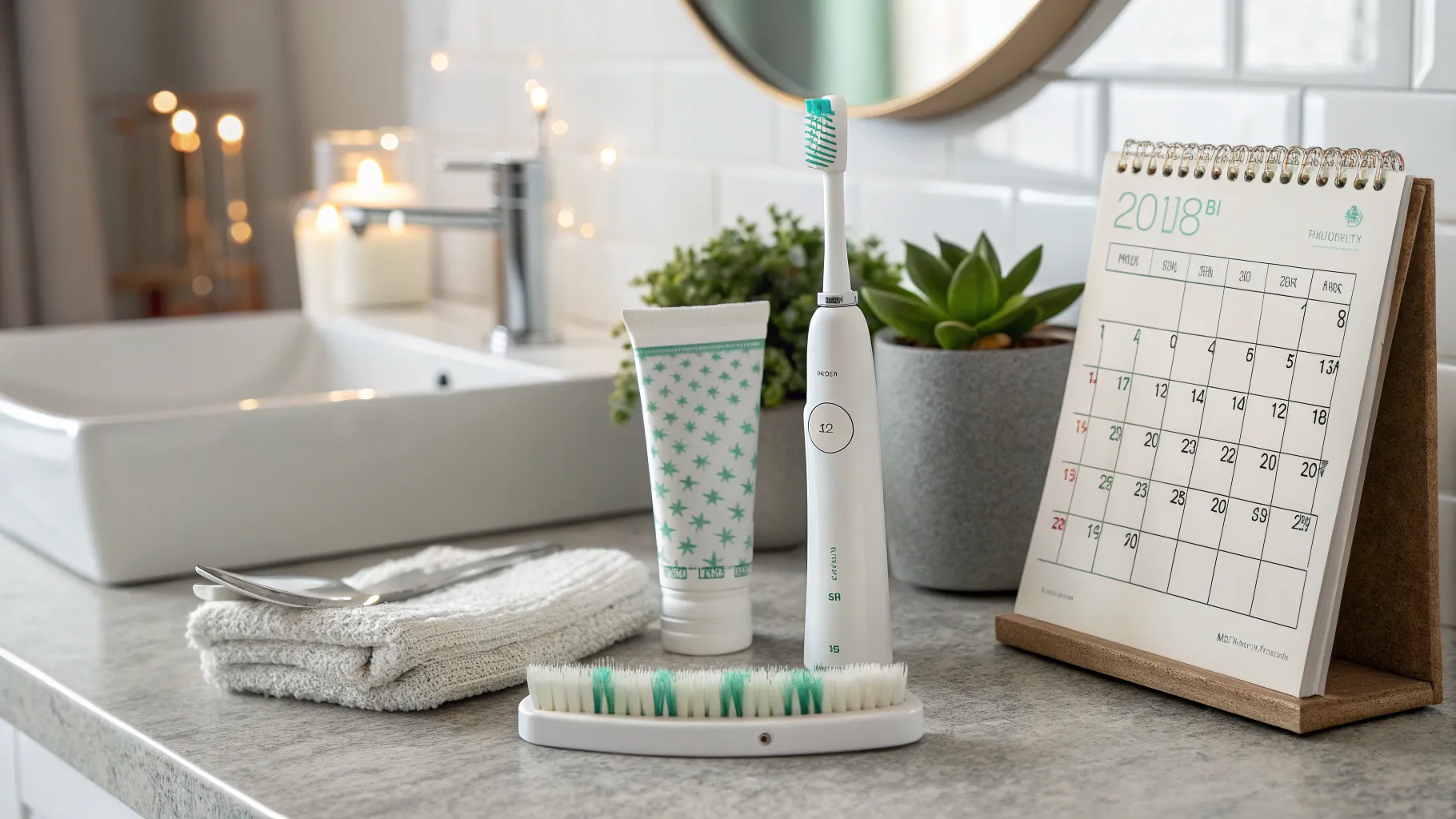
Optimal Time for Changing Your Toothbrush
So, what is the optimal time for changing your toothbrush? The American Dental Association (ADA) recommends replacing your toothbrush every three to four months. But this guideline can vary based on specific circumstances. For instance, if you notice your bristles are frayed or splayed, it's time for a change regardless of how long it's been since your last replacement.
Moreover, if you've been ill, it is advisable to replace your toothbrush to prevent bacteria from lingering and potentially causing reinfection. In fact, a study from earlier this year indicated a significant correlation between toothbrush hygiene and lingering bacteria, stressing the importance of regular changes to ensure optimal oral health.
Identifying the Signs That It’s Time to Change Your Toothbrush
Replacing your toothbrush on a set schedule is beneficial, but it’s equally important to be aware of certain signs that indicate a toothbrush is no longer effective:
- Frayed Bristles: If the bristles of your toothbrush appear worn or frayed, they cannot clean your teeth effectively. This can happen as early as two months into use.
- Discoloration: A toothbrush that is starting to change color may harbor bacteria that could negatively impact your oral health.
- Physical Damage: If your toothbrush has been dropped or damaged, it may be best to replace it to ensure comprehensive cleaning.
- After Illness: As mentioned earlier, if you've experienced a cold or other illness, changing your toothbrush can help stop the cycle of germs.
The Impact of a Clean Toothbrush on Oral Health
It has become increasingly clear that the state of your toothbrush significantly impacts your overall dental health. A clean, effective toothbrush plays a vital role in removing plaque and preventing gum disease. You might be surprised to learn that studies show a direct correlation between proper toothbrush maintenance and lower instances of cavities and gum disease.
In a recent survey conducted by the American Dental Association, nearly 60% of respondents admitted to not replacing their toothbrush as frequently as they should. This statistic highlights a crucial public health issue. You may be putting your oral health at risk simply by neglecting to change your toothbrush regularly.
What Type of Toothbrush Is Right for You?
Choosing the right toothbrush can also affect the frequency of your replacements. Manual toothbrushes, for example, require more frequent changes than some electric toothbrush heads, which can last up to six months. However, many people prefer electric toothbrushes for their effectiveness in plaque removal. Therefore, if you are considering a switch, do your research. In 2025, electric toothbrush technology has advanced significantly, and many feature timers and pressure sensors that can enhance your brushing routine.
As for manual toothbrushes, consider investing in a high-quality option. Many brands offer brushes designed specifically to withstand wear while maintaining effective cleaning abilities, meaning they can give you the three to four-month lifespan recommended while staying effective throughout that duration.
Environmental Considerations
With increasing awareness of environmental issues, many consumers are wondering how the frequency of changing a toothbrush affects the planet. More toothbrushes means more plastic waste, but there’s good news! In 2025, the market has adapted to meet consumer demand for eco-friendly options. Biodegradable toothbrushes made from bamboo and recycled materials are widely available. These options provide the same level of cleanliness while being kinder to our environment.
Best Practices for Care and Maintenance
Along with knowing how often you should change your toothbrush, implementing best practices can extend its life and effectiveness:
- Rinse Thoroughly: After each use, rinse your toothbrush thoroughly to remove toothpaste and debris.
- Store Properly: Keep your toothbrush upright in a holder and allow it to air dry. Avoid covering the brush head as moisture can facilitate the growth of bacteria.
- Avoid Sharing: Never share toothbrushes, as this can lead to cross-contamination.
- Keep Away from the Toilet: Your toothbrush should not be kept near the toilet, as bacteria can spread through flushes.
Taking care of your toothbrush contributes to a healthier mouth and improved dental outcomes. Partners in oral health should advocate for proper toothbrush use and timely replacements to ensure lower risks of dental problems.
Final Thoughts
In summary, changing a toothbrush is essential to maintaining good oral health. Always replace your toothbrush every three to four months or sooner if any of the signs mentioned arise. Whether you choose an electric or manual toothbrush, adhering to dental recommendations can elevate your oral hygiene game significantly. Adopt eco-friendly options when possible to reduce waste and invest in your health. Remember, a clean toothbrush is not just a good habit; it's an investment in your overall well-being!
Authored by FreshLifeWire team