The Ultimate Guide to Chair Exercises for Seniors
Facts:
- Seated exercises significantly improve senior muscle strength.
- A growing trend in low impact movement for seniors.
Unlock a More Active Life: The Ultimate Guide to Chair Exercises for Seniors
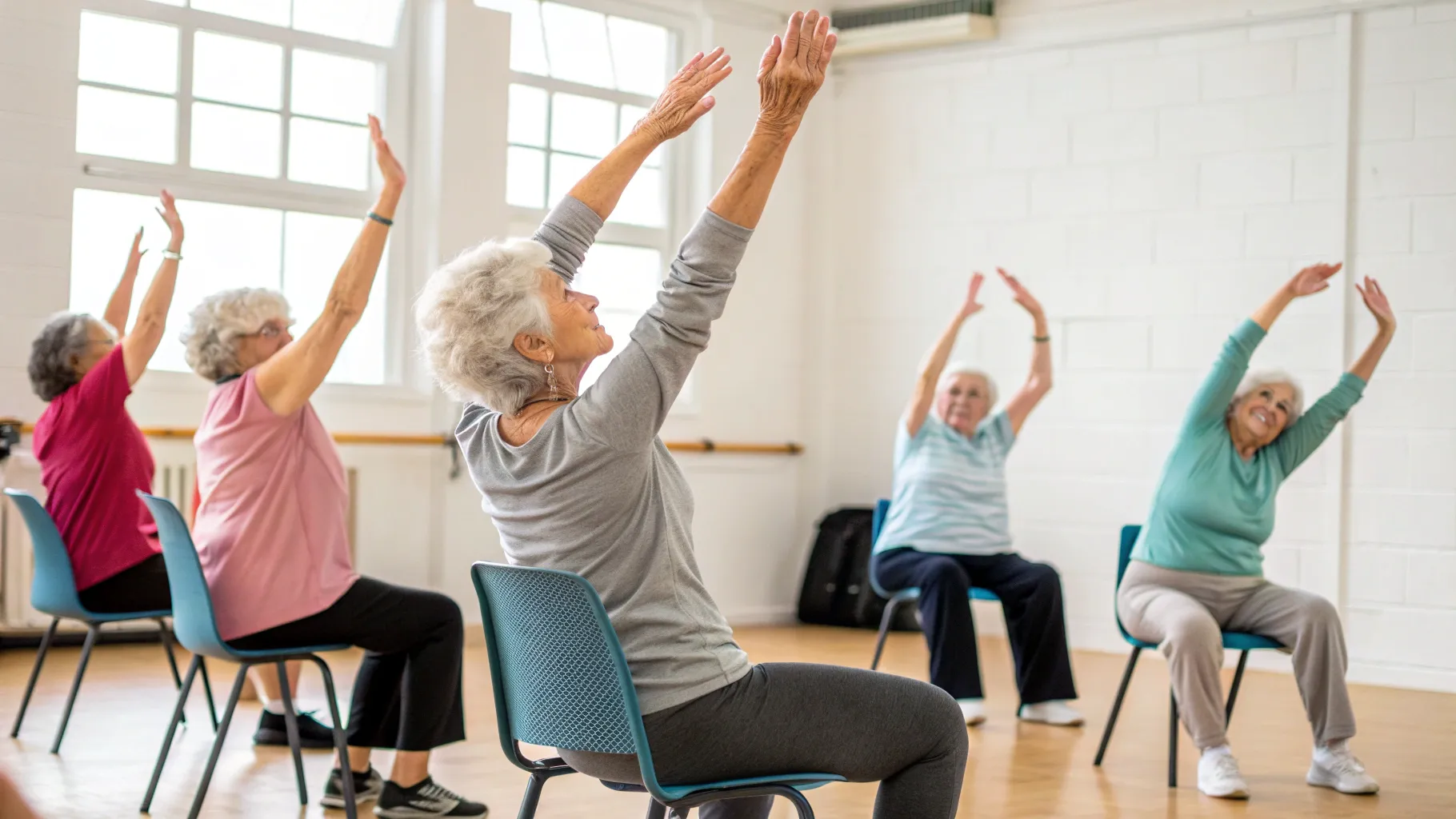
For many seniors, maintaining an active lifestyle can seem challenging, but it's crucial for overall health and well-being. This is where a consistent chair exercises routine comes in as a powerful solution. Offering a safe and effective way to build strength, improve flexibility, and boost circulation, these exercises provide immense seated exercise benefits without putting strain on the joints. This guide will explore everything you need to know about starting your journey with this incredible form of low impact movement.
The Remarkable Seated Exercise Benefits for Health and Longevity
Embracing chair exercises opens up a world of advantages that go far beyond simple movement. One of the most significant seated exercise benefits is the inherent safety they provide. By performing exercises from a stable, seated position, the risk of falls—a major concern for seniors—is drastically reduced. This makes it an ideal starting point for individuals with balance issues or those recovering from an injury. Furthermore, this form of low impact movement is gentle on the joints, making it perfect for those with arthritis or chronic pain in their knees, hips, or ankles. It allows for consistent physical activity without the associated discomfort of high-impact workouts, ensuring long-term adherence and enjoyment.
Beyond safety, the physical rewards are substantial. A regular chair exercises routine can lead to significant improvements in muscle tone, cardiovascular health, and flexibility. Strengthening the core, legs, and upper body from a seated position directly contributes to better balance and mobility support, making everyday tasks like getting up from a chair or carrying groceries much easier. These activities also boost blood circulation, which is vital for cognitive function and reducing the risk of conditions like deep vein thrombosis. Incorporating these into your daily activity ideas is a proactive step towards maintaining independence and vitality for years to come.
Building Your Daily Chair Exercises Routine: Simple and Effective Moves
Creating a balanced chair exercises routine is simple and can be tailored to your fitness level. The key is consistency. Aim to incorporate these movements into your schedule for at least 15-20 minutes each day. Before starting, ensure you are sitting on a sturdy chair without wheels, with your feet flat on the floor and your back straight. Here are some foundational exercises to include in your daily activity ideas for a comprehensive workout.
- Seated Marching: While seated, lift one knee towards your chest, then lower it. Alternate with the other leg. This is a fantastic warm-up that gets the blood flowing and engages your core and leg muscles. It's a prime example of effective low impact movement.
- Arm Circles: Extend your arms out to the sides at shoulder height. Make small, controlled circles forward for 30 seconds, then reverse for 30 seconds. This improves shoulder flexibility and strength.
- Chair Squats: Sit on the edge of your chair and practice standing up without using your hands, then slowly sitting back down. This powerful exercise provides excellent balance and mobility support by strengthening the muscles in your legs and glutes.
- Ankle Rotations: Extend one leg and rotate your ankle clockwise, then counter-clockwise. This simple move enhances joint mobility and can help prevent stiffness.
The Crucial Role of Balance and Mobility Support in Senior Wellness
Maintaining independence is a primary goal for most seniors, and the foundation of that independence is physical stability. This is where targeted exercises for balance and mobility support become indispensable. As we age, our proprioception—the body's ability to sense its position in space—can diminish, increasing the risk of falls. Chair exercises directly combat this by strengthening the key muscle groups responsible for stability, including the core, hips, and legs. By performing controlled movements from a secure base, you can safely challenge and retrain these muscles, enhancing your confidence both in and out of the chair. A consistent chair exercises routine builds a stronger foundation for all your movements.
Integrating specific exercises designed for balance and mobility support is key. For example, seated leg lifts, where you extend one leg straight out and hold it for a few seconds, build quadriceps strength essential for walking and climbing stairs. Similarly, torso twists performed while seated engage the oblique muscles, which are vital for rotational stability. These seemingly simple actions are powerful forms of low impact movement that translate directly into improved real-world function, making navigating your home and community safer and more enjoyable. These aren't just exercises; they are investments in your long-term mobility and freedom.
Creative Daily Activity Ideas to Keep You Moving From Your Chair
Thinking beyond a structured workout can make physical activity more enjoyable and easier to maintain. There are countless daily activity ideas you can perform from a chair that offer significant seated exercise benefits. For instance, you can practice 'chair dancing' by putting on your favorite music and moving your arms, torso, and legs to the rhythm. This not only elevates your heart rate but also lifts your spirits. Another idea is to use light resistance bands while watching television. You can perform bicep curls, chest presses, and leg extensions during commercial breaks, turning passive screen time into a productive session of low impact movement. These creative approaches make fitness feel less like a chore and more like a natural part of your day.
Why Chair Exercises Outshine Other Options for Many Seniors
When considering fitness options, seniors often weigh activities like walking, swimming, or traditional gym workouts. While all have merit, a chair exercises routine offers unique advantages. Unlike walking, which can be challenging in inclement weather or for those with joint pain, chair exercises can be done anytime, anywhere. Compared to swimming, which requires access to a pool, chair exercises require minimal equipment—just a sturdy chair. The primary distinction is the unparalleled level of accessibility and safety. For individuals starting their fitness journey or managing chronic conditions, the built-in balance and mobility support of a chair is a game-changer, removing barriers that might otherwise prevent them from exercising at all. This makes it the superior choice for beginning a consistent fitness habit.
Frequently Asked Questions
How often should I do a chair exercises routine?
For optimal results, aim for 20-30 minutes of chair exercises at least three to five days a week. However, even 10-15 minutes of daily low impact movement can provide significant health benefits. Consistency is more important than duration.
What are the main seated exercise benefits?
The primary benefits include improved muscle strength, enhanced flexibility, better cardiovascular health, and increased joint mobility, all achieved with a reduced risk of injury. They also provide crucial balance and mobility support for daily activities.
Can I lose weight with chair exercises?
Yes, when combined with a healthy diet, a consistent chair exercises routine can contribute to weight management. It helps burn calories, build muscle mass (which boosts metabolism), and improve overall energy levels, making it a valuable part of a weight loss plan.
References
- National Institute on Aging - Exercise and Physical Activity
- American Heart Association - Recommendations for Physical Activity in Older Adults
- Journal of Geriatric Physical Therapy - The Efficacy of Seated Exercise Programs
Authored by FreshLifeWire team