Cervical Spondylosis Symptoms Causes and Treatment Guide
Cervical Spondylosis Symptoms and Their Causes
Cervical spondylosis, often referred to as neck arthritis, is a condition that has become a common struggle for millions of adults, particularly those aged 60 and over. Statistics show that in 2025, around 85 percent of seniors experience some form of this degenerative neck issue. Understanding cervical spondylosis is critical as it not only affects quality of life but can also lead to more severe complications if not addressed promptly.
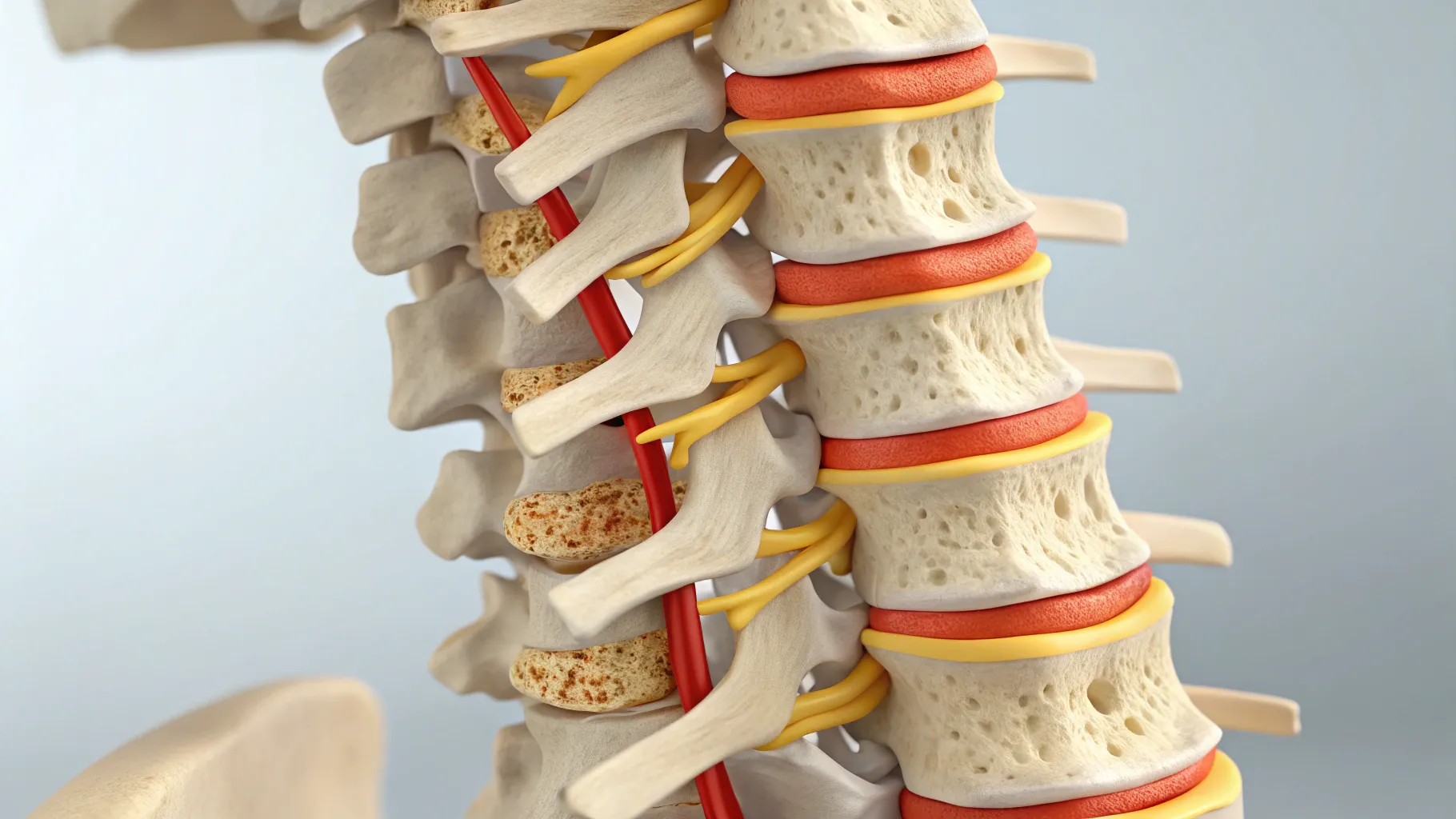
Identifying Neck Pain Causes
A key symptom of cervical spondylosis is neck pain, which can range from mild discomfort to debilitating pain that hampers mobility. This pain is often a result of the gradual degeneration of intervertebral discs, which act as cushions between the vertebrae, as well as issues with the cervical joints and bones themselves. Several factors can influence the severity of these symptoms:
- Repetitive Strain: Engaging in activities that require prolonged neck movements, like working long hours in front of a computer or using a smartphone, can significantly worsen cervical spondylosis symptoms.
- Past Injuries: Previous neck injuries can trigger degenerative changes, setting the stage for early onset cervical spondylosis. A traumatic event might not show immediate effects but can have long-term repercussions.
- Genetics: If cervical issues run in your family, you might be at an increased risk of developing spondylosis. Genetic predisposition plays a substantial role in susceptibility to neck problems as we age.
Recognizing these factors is essential for creating effective treatment plans and preventive measures against further degeneration.
Key Symptoms to Watch For
Cervical spondylosis can significantly impact daily activities, and identifying the symptoms early can aid in managing the condition. Here’s a closer look at common symptoms associated with cervical spondylosis:
- Neck Stiffness: Many individuals report increased stiffness in their neck, particularly after waking up in the morning or after long spells of inactivity. This rigidity can restrict basic head movements, affecting overall functionality.
- Nerve Compression Symptoms: As cervical spondylosis progresses, there might be instances of nerve compression, resulting in:
- Numbness in the Arms: A frequent complaint is the sensation of numbness that begins at the neck and moves down into the arms and hands, an experience that can be uncomfortable and alarming.
- Muscle Weakness: Patients may also notice a lack of strength in their arms or hands, making everyday tasks like gripping or holding items challenging.
- Headaches: Tension-type headaches are a common symptom, arising from muscle tightness and stress in the neck region.
Being conscious of these symptoms can motivate individuals to seek medical advice sooner rather than later, which is vital for effective management.
Understanding Early Spondylosis Indicators
Detecting cervical spondylosis in its early stages can open the door for more effective treatments and might slow the progression of the disease. Here are some initial signs to watch for:
- Frequent Cracking Sounds: If you experience noticeable cracking or grinding noises when moving your neck, this could suggest early degenerative changes within your cervical spine.
- Mild Discomfort: It’s common to experience manageable pain that responds to over-the-counter medications, particularly after long periods of immobility, in the early stages.
- Posture Changes: Observe if you have begun to adopt a hunched posture or a forward-head position—these changes might indicate structural alterations in your cervical spine.
If you resonate with any of these early warning signs, it’s crucial to consult a healthcare professional promptly. Diagnostic imaging like MRI or CT scans can provide insights into the severity of the condition and guide proper treatment avenues.
Current Treatment Modalities
In 2025, there exists a variety of treatment options tailored to the specific severity of cervical spondylosis and the symptoms one may be experiencing. Some of the most recognized treatment options include:
- Physical Therapy: Engaging in specially designed physical therapy can significantly improve neck mobility and strength. The right exercises can alleviate pain while enhancing overall function.
- Medications: Most individuals find adequate relief with over-the-counter medications and anti-inflammatory drugs, making these the first line of defense against discomfort.
- Hot and Cold Therapy: Applying heat to ease muscle tension or cold to reduce inflammation proves effective in managing pain associated with cervical spondylosis.
- Surgical Options: If conservative methods fail to provide relief, surgical options such as spinal fusion or decompression may be necessary to alleviate severe symptoms.
Cervical spondylosis may be common, but its effects shouldn't be underestimated. Being proactive in recognizing symptoms and understanding the factors at play empowers individuals to seek timely medical interventions. Staying informed about current treatments is crucial for improving quality of life for those affected by this condition.
Moreover, participating in community outreach programs or online forums can provide additional support networks for individuals dealing with cervical spondylosis. Sharing experiences and strategies can help create a sense of connection and provide shared resources, all integral parts of navigating the path to treatment.
Authored by FreshLifeWire team