Causes Symptoms and Diagnosis of Osteoporosis in Adults
Understanding Osteoporosis and Its Causes in Older Adults
Osteoporosis is a prevalent condition among older adults that significantly impacts bone health. It is characterized by weakened bones, leading to an increased risk of fractures. In fact, current data suggests that one in two women and one in four men over the age of 50 will experience an osteoporosis-related fracture. But what are the main causes of osteoporosis in older adults?
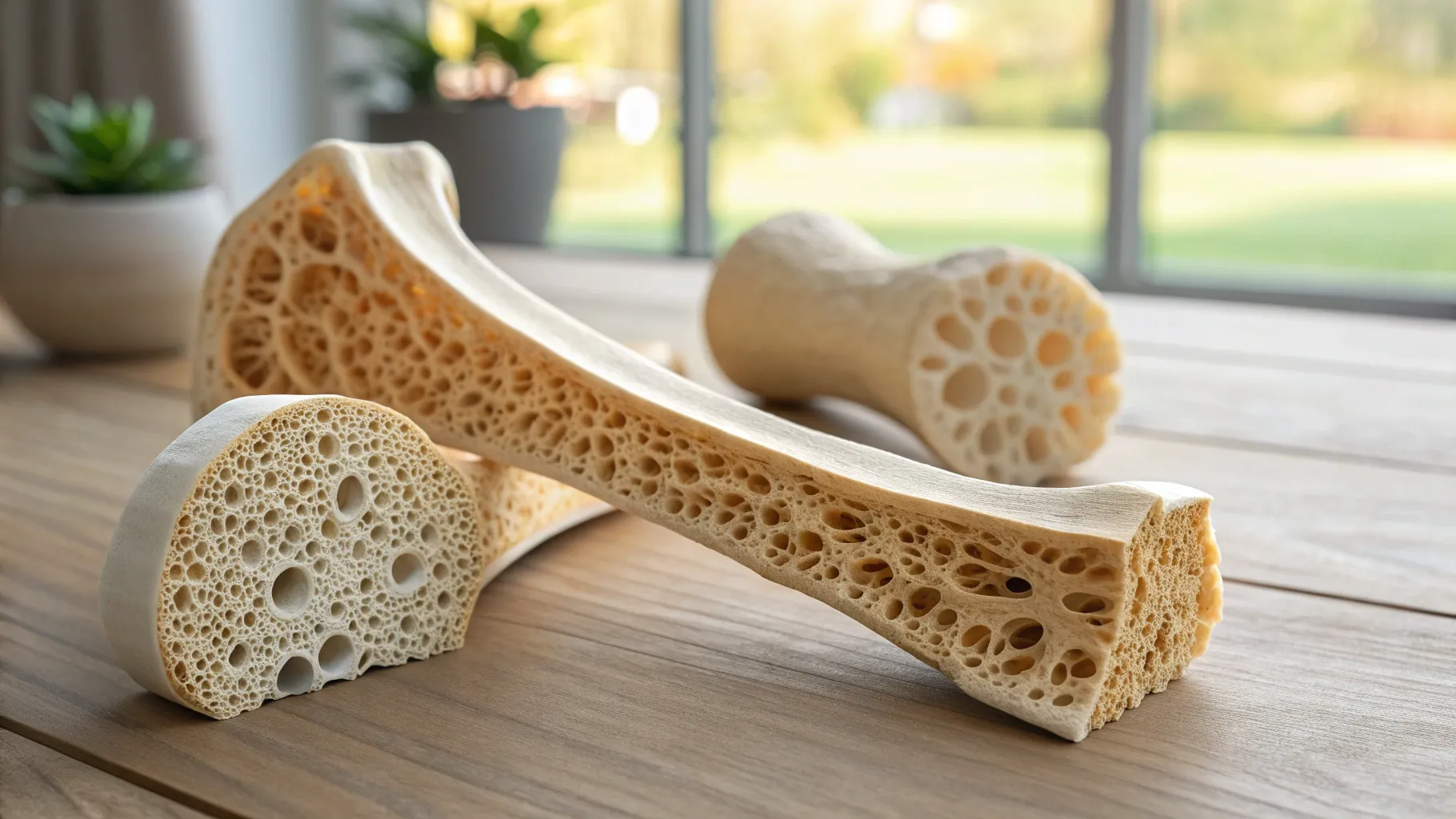
- Aging: As we age, our bodies gradually lose the ability to produce new bone tissue. Around the age of 30, bone remodeling—where old bone is replaced with new—starts to tilt towards bone loss.
- Hormonal Changes: Particularly in women, menopause can lead to a sharp decline in estrogen levels, which plays a crucial role in maintaining bone density. In men, reduced testosterone levels can also contribute to bone loss.
- Dietary Factors: A diet low in calcium and vitamin D can severely affect bone density. These nutrients are vital for bone health, and insufficient intake can lead to skeletal deterioration.
- Lifestyle Choices: Factors such as lack of physical activity, smoking, and excessive alcohol consumption can exacerbate bone loss.
How Bone Density Changes in Osteoporosis
Bone density provides an insight into the health of an individual’s bones. In osteoporosis, this density diminishes rapidly. This change can be tracked through a measurement called bone mineral density (BMD). Osteoporosis is defined by a BMD of 2.5 standard deviations or more below the mean peak bone mass of a healthy young adult. The National Osteoporosis Foundation highlights that individuals can lose around 1% of their bone mass annually after the age of 50, significantly increasing fracture risks.
To put this into perspective, consider a case study from early 2025, where researchers found that seniors with osteoporosis had an average BMD that was 30% lower than their peers without the condition. This stark difference illustrates the importance of regular screening and awareness of bone health.
Early Symptoms and Signs of Osteoporosis
Unfortunately, osteoporosis is often termed the "silent disease" since it rarely shows symptoms until a fracture occurs. However, there are early signs that can hint at potential issues:
- Back Pain: Persistent back pain may signify a vertebral fracture.
- Postural Changes: A noticeable stoop or height loss of more than 1.5 inches can indicate bone loss.
- Easy Bruising: A tendency to bruise more easily may also be a warning sign.
Diagnosing Osteoporosis Through Medical Imaging and Tests
Diagnosing osteoporosis involves a combination of medical history, risk assessment, and, most importantly, bone density testing. Dual-energy X-ray absorptiometry (DXA) is the gold standard for evaluating bone density. A recent report highlighted that more healthcare providers are recommending DXA scans for individuals over 50, regardless of menopausal status, due to increasing awareness of the disease.
In addition to DXA, doctors may also use CT scans or MRI in some cases to examine bone quality. Moreover, blood tests can assess certain hormones and vitamins that influence bone health, further aiding in diagnosis.
Lifestyle Factors Influencing Osteoporosis Risk
The lifestyle choices we make play a vital role in bone health. Researchers emphasize that regular physical activity, particularly weight-bearing and strength-training exercises, can help improve bone density and reduce the risk of osteoporosis. In 2025, a community initiative focused on promoting exercise among seniors showed encouraging results. Participants in the program experienced a 20% reduction in the rate of osteoporosis-related fractures compared to those who were inactive.
Nutrition is equally important. A balanced diet rich in calcium (found in dairy products, leafy greens, and fortified foods) and vitamin D (from sunlight or supplements) is crucial for maintaining bone density. Furthermore, reducing smoking and limiting alcohol intake are essential steps towards lowering osteoporosis risk.
Advanced Osteoporosis and Its Complications
As osteoporosis advances, the risks of severe complications increase. Fractures are the most well-known consequence, but they can lead to further complications such as:
- Chronic Pain: A fracture can lead to debilitating pain that affects mobility and quality of life.
- Loss of Independence: Patients may face difficulties performing daily activities, leading to reliance on caregivers.
- Pneumonia: Particularly after a hip fracture, the risk of developing pneumonia increases due to immobility.
- Increased Mortality: Studies indicate that the risk of death following a hip fracture can spike within the first year.
How Osteoporosis Differs from Other Bone Diseases
Osteoporosis often gets confused with other bone conditions, such as osteopenia and osteomalacia. While osteoporosis involves a significant decrease in bone density, osteopenia is a milder form of bone loss that can serve as a precursor to osteoporosis. On the other hand, osteomalacia stems from a problem in bone mineralization, often influenced by vitamin D deficiency, rather than bone density loss. Understanding these differences is crucial for treatment and prevention strategies.
The Historical Understanding of Osteoporosis in Medical Science
Historically, osteoporosis was often minimized and attributed solely to aging. However, with advancements in medical science, we now recognize that osteoporosis is a multifactorial disease influenced by genetics, diet, hormones, and lifestyle. Research in the last two decades has shifted focus from merely treating osteoporosis to preventing it. Educational campaigns are now in place, raising awareness about bone health starting at an early age, emphasizing the importance of adequate nutrition and physical activity.
As of 2025, the understanding of osteoporosis continues to evolve, with ongoing research aimed at developing new treatments and preventative measures to combat this widespread condition. With increased awareness, we can hope to reduce the incidence and burden of osteoporosis in future generations.
Authored by FreshLifeWire team