Causes and Risk Factors for Throat Cancer Explained
Understanding Causes and Risk Factors for Throat Cancer
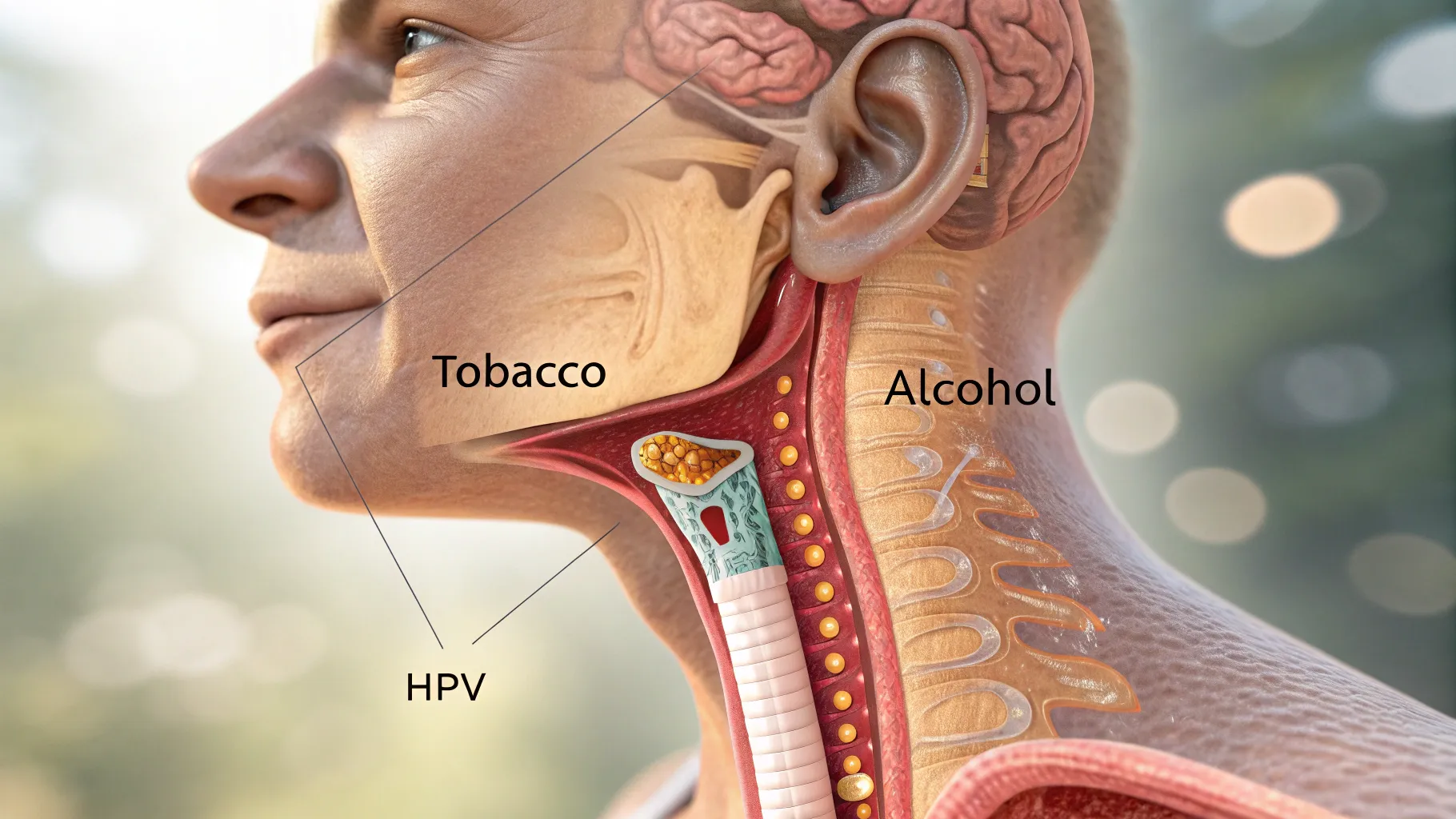
Throat cancer is an alarming health issue, impacting countless individuals each year across the globe. Awareness of this disease's causes and risk factors is crucial for prevention and early detection, both of which are vital to improving survival rates. This article will explore several factors contributing to the likelihood of developing throat cancer: tobacco use, alcohol consumption, HPV, occupational exposure, genetic predisposition, nutrition, and environmental influences.
Tobacco Use and Throat Cancer
Tobacco use is without a doubt the most significant risk factor linked to throat cancer. Engaging in smoking—whether through cigarettes, cigars, or smokeless tobacco—can lead to devastating health effects. It's staggering to note that nearly 30% of throat cancer cases are directly attributed to tobacco consumption. Current and former smokers face a fivefold increased risk compared to non-smokers. The harmful substances in tobacco gradually damage throat cells, which can lead to cancerous mutations over time.
Equally concerning is the risk posed by passive smoking. A substantial body of research indicates that secondhand smoke contains numerous carcinogenic chemicals that increase cancer risks for non-smokers. A report from early 2025 revealed that individuals living with smokers experience a 20% higher risk of developing throat cancer. This data underscores the urgent need for effective tobacco control policies and cessation programs.
The Role of Alcohol Consumption
Another significant contributor to throat cancer is alcohol consumption. Research clearly demonstrates a strong link between heavy drinking and an elevated risk of head and neck cancers, which includes throat cancer. Approximately 18% of throat cancer cases are associated with long-term heavy alcohol use, with risks increasing proportionally to alcohol intake.
For example, individuals who consume more than three alcoholic beverages daily face a two to three times greater susceptibility to throat cancer compared to moderate drinkers. The dangers become even more pronounced when tobacco and alcohol are used together, as alcohol can facilitate the absorption of carcinogenic substances from tobacco into throat tissues. This troubling combination highlights the significance of public awareness about the dangers of excessive alcohol consumption.
The Impact of HPV on Throat Cancer
A relatively recent development in cancer research has illuminated the significant role of the human papillomavirus (HPV) concerning throat cancer. HPV strains 16 and 18 have strong correlations with oropharyngeal cancers, including those affecting the throat. Current estimates indicate that over 70% of oropharyngeal cancer cases are linked to HPV infections.
HPV is predominantly transmitted through sexual contact, specifically oral sex, making young adults a particularly vulnerable demographic. Fortunately, the introduction and increased availability of the HPV vaccine has provided a promising tool to reduce the incidence of throat cancers associated with this virus. Public health initiatives emphasizing preventive healthcare and vaccination programs play a crucial role in mitigating this emerging health threat.
Occupational Hazards
Occupational exposure to toxic chemicals is another significant risk factor connected with throat cancer. Workers in certain industries, such as construction and manufacturing, often face exposure to hazardous substances that could elevate cancer risk. Chemicals like formaldehyde and asbestos have been associated with an uptick in throat cancer among laborers.
A recent study published in early 2025 revealed that construction workers develop throat cancer at a 50% higher rate compared to people in lower-risk occupations. Such findings necessitate the implementation of stringent safety regulations and protective measures in workplaces to minimize exposure to carcinogens and enhance worker health.
Genetic Predisposition Considerations
Genetic factors considerably influence the likelihood of developing throat cancer, especially for individuals with a family history of head and neck cancers. In recent genetic research studies, specific mutations in genes associated with an increased risk of throat cancer have been found in families with a significant history of such conditions.
This discovery emphasizes the need for genetic counseling and testing for individuals with a pronounced family background of cancer. Those identified as being at high risk should engage in regular health screenings and consider lifestyle modifications to mitigate their cancer risk. While genetic predisposition is a significant factor, it is vital to keep in mind that lifestyle choices and environmental factors also play a crucial role.
The Nutrition Connection
The relationship between diet and cancer risk is both critical and often overlooked. Maintaining a well-balanced diet rich in fruits, vegetables, and essential nutrients is essential for bolstering the immune system, which must combat diseases, including cancer. Research conducted this year shows that diets abundant in processed foods and deficient in fresh produce correlate strongly with an increased risk of throat cancer.
Data from recent months emphasizes that nutritional deficiencies can exacerbate cancer susceptibility, highlighting how a lack of antioxidants and important vitamins can lead to cancerous changes. Therefore, encouraging an intake of balanced, nutritious foods is a fundamental component of effective cancer prevention strategies that can yield benefits at multiple health levels.
Environmental Influences and Other Risks
The surrounding environment can significantly impact health, including throat cancer risk. Factors like air pollution, radiation exposure, and contact with harmful substances warrant investigation. A detailed report released in early 2025 highlights a 10% increase in throat cancer cases among urban populations exposed to elevated pollution levels. This finding underscores the urgent need for comprehensive environmental regulations aimed at protecting public health.
Strategies aimed at reducing environmental exposure, such as improving air quality and regulating industrial emissions, can profoundly impact cancer prevention. Community engagement and activism are crucial for driving efforts toward creating healthier living environments.
Other Contributing Factors
In addition to the prominent risk factors already discussed, other, less recognized elements can contribute to throat cancer. Chronic acid reflux, for instance, is increasingly linked with heightened risks of throat and esophageal cancers. Recent studies confirm this connection, indicating that those suffering from chronic acid reflux face a higher likelihood of cancerous changes in their throats.
Furthermore, prioritizing good oral hygiene and addressing oral infections can serve as vital preventive measures. These small, yet impactful health practices form an integral part of a holistic approach to cancer prevention. Regular health check-ups and a focus on overall well-being can help save lives and promote healthier communities.
As we expand our understanding of throat cancer and its associated risk factors, continued emphasis on education, prevention, and early detection is essential for public health in our current landscape. Individuals are encouraged to adopt healthier lifestyle habits, remain informed about current research, and actively participate in community health initiatives directed at combating throat cancer.
Authored by FreshLifeWire team