Causes of Frequent Nighttime Urination in Men Explained
Understanding Frequent Urination at Night
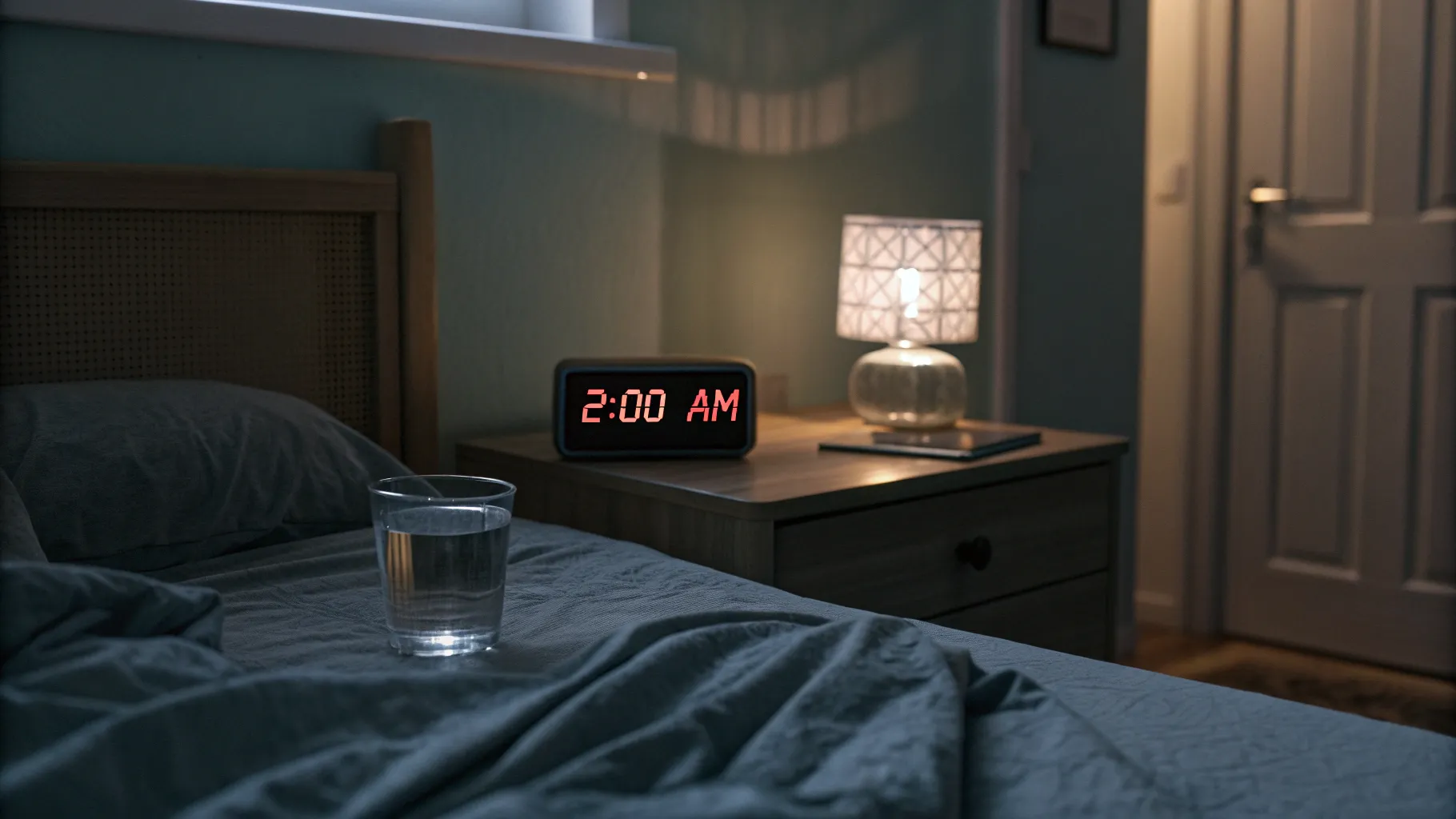
Frequent urination at night, known medically as nocturia, is a common problem for many men, especially as they age. The year is 2025, and studies show that more than 50% of men over 60 report needing to get up more than once during the night to urinate. This condition can significantly disrupt sleep, leading to daytime fatigue and overall reduced quality of life. With the prevalence of nocturia on the rise, it becomes essential to understand its causes and whether they should prompt medical concern.
What Causes Frequent Urination at Night in Men?
Nocturia can stem from a variety of medical and lifestyle factors. It's crucial to recognize these triggers to manage the condition effectively. Here are some of the most common contributors to frequent nighttime urination in men:
- Age: As men get older, their bladder muscles may weaken, resulting in decreased bladder capacity. This natural aging process significantly increases the likelihood of frequent bathroom trips at night.
- Prostate Issues: An enlarged prostate, known as benign prostatic hyperplasia (BPH), is particularly prevalent in older men. It can obstruct urinary flow and prompt more frequent urination, especially during the night. Urologists frequently advise men to monitor symptoms related to prostate health closely.
- Diabetes: Both Type 1 and Type 2 diabetes can lead to nocturia. When blood sugar levels are high, the body tries to get rid of excess glucose through urination. In a recent study, it was found that about 70% of men with diabetes experience nocturia.
- Medications: Certain medications, particularly diuretics used for high blood pressure, can increase urine output. Patients taking these medications often find they have to manage how and when they take them to avoid nighttime trips to the restroom.
- Fluid Intake Before Bed: Consuming large quantities of fluids in the evening, especially caffeinated and alcoholic beverages, can lead to increased urination at night. Caffeine is a well-known diuretic, while alcohol can disrupt sleep patterns.
- Sleep Apnea: Individuals suffering from sleep apnea may notice increased trips to the bathroom during the night. The condition causes sleep disruption, and the resulting stress on the body can affect kidney function and fluid regulation, prompting nocturia.
- Other Health Conditions: Heart failure, neurological disorders, and urinary tract infections can also lead to nocturia by interfering with the body's ability to regulate fluids properly.
How Diabetes Affects Nighttime Urination
Diabetes significantly contributes to the prevalence of nocturia among men. In 2025, it’s widely accepted that uncontrolled blood sugar levels lead to increased thirst (polydipsia) and fluid intake, which in turn leads to more frequent urination. A notable case involves a 62-year-old male patient who struggled with nocturia as a result of poorly managed Type 2 diabetes. By implementing significant dietary changes and rigorously monitoring his blood glucose levels, he experienced a remarkable reduction in nighttime urination.
The physiological mechanism behind diabetes-induced nocturia relates to the kidneys' attempt to eliminate excess glucose through urine. As glucose spills into the urine, water is pulled along with it, leading to increased urine production and the necessity for more frequent bathroom breaks during the night.
Common Causes of Nocturia
Recognizing the wide array of factors that contribute to nocturia can empower men to seek appropriate treatment. Here are some of the common causes:
- Reduced bladder capacity linked to age and prostate enlargement
- Chronic conditions like diabetes and heart disease
- Medications that lead to increased urine output
- Lifestyle habits concerning fluid consumption, particularly caffeine and alcohol
- Sleep disorders, notably obstructive sleep apnea, that disrupt sleep patterns
Strategies to Combat Frequent Nighttime Urination
Effectively addressing nocturia often requires a balanced approach that integrates lifestyle changes and, if necessary, medical treatment. Here are some practical recommendations that can help:
- Limit Evening Fluid Intake: Reducing the amount of fluid consumed in the hours leading up to bedtime can significantly decrease nighttime urination. Be mindful of caffeine and alcohol, as both can exacerbate the problem.
- Manage Underlying Health Conditions: Vigilant management of diabetes, prostate enlargement, and other underlying health issues can lead to a notable decrease in nocturia. Medications for prostate health, such as alpha-blockers, may be prescribed by healthcare providers.
- Engage in Bladder Training: Bladder training involves gradually increasing the time between bathroom trips during the day to help stretch the bladder’s capacity, which can lead to fewer nighttime urges.
- Practice Pelvic Floor Exercises: Strengthening the pelvic floor muscles through targeted exercises can enhance bladder control, potentially reducing the need for nighttime bathroom visits.
- Consult a Healthcare Specialist: If frequent nighttime urination is affecting your quality of life, it is vital to consult a healthcare provider. Urologists can offer tailored assessments and provide treatment options suited to the individual's specific condition.
By understanding the multifaceted nature of nocturia and taking proactive steps, men can significantly improve their quality of life. Awareness of nocturia’s symptoms and timely discussions with healthcare professionals can pave the way for effective management and greater restful sleep.
Authored by FreshLifeWire team