Cataract Surgery Options and Benefits of Premium Lenses
Cataract Surgery and Premium Lens Implants
Cataract surgery stands as one of the most prevalent surgical procedures across the globe, with millions of patients experiencing life-changing results annually. In 2025, the impact of ongoing advancements in medical technology and methodology has further refined both the process and the outcomes of cataract surgery. Gaining a clear understanding of the various surgical options available—including the comparison between laser-assisted and traditional techniques—can empower patients to make informed choices about their vision health.
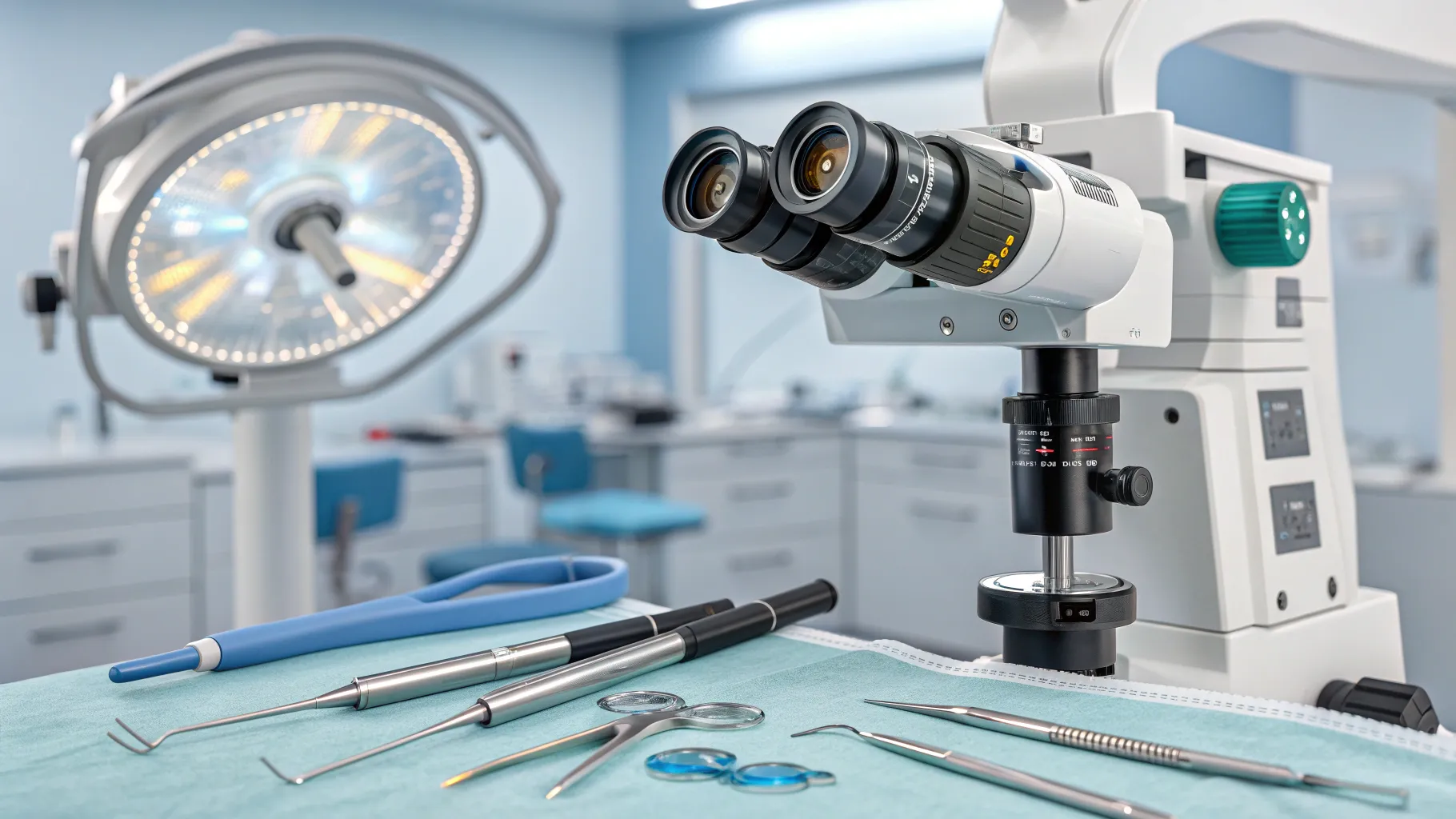
Types of Cataract Surgery
When considering cataract surgery, it’s essential to recognize the two main types offered: traditional cataract surgery, also known as phacoemulsification, and laser-assisted cataract surgery. Each method provides distinct benefits tailored to different patient needs and preferences.
- Traditional Cataract Surgery: This time-tested procedure involves making a small incision in the eye. Surgeons utilize ultrasound waves to break the cloudy lens into smaller fragments, which are then removed. Following this removal, a premium intraocular lens (IOL) is implanted to replicate the function of the natural lens, enhancing clarity.
- Laser Cataract Surgery: As a remarkable advancement, this technique employs a femtosecond laser for more precise incisions and fragmentation of the cataract. Many patients report a smoother experience and quicker recovery with this method since it optimizes surgical accuracy while reducing recovery time.
According to recent data from 2024, the preference for laser cataract surgery in urban areas has soared, now constituting over 60% of procedures performed. This trend signifies a growing acceptance and demand for advanced medical techniques.
Premium Intraocular Lenses
Today’s patients have an array of options when it comes to intraocular lens implants. Unlike standard monofocal lenses, premium IOLs are designed to correct astigmatism and provide multifocal vision, dramatically enhancing post-surgical outcomes. Notable examples of these innovative lenses include:
- Toric IOLs: Specifically tailored for individuals with astigmatism, these lenses enable improved vision clarity across various distances, thus reducing dependence on glasses.
- Multifocal IOLs: With the ability to facilitate clear vision at multiple distances, these lenses significantly decrease reliance on corrective eyewear.
- Accommodating IOLs: These lenses mimic the natural movement of the eye, allowing for more adaptive focus shifting and naturally clearer vision.
In 2025, studies demonstrate that premium IOLs lead to marked improvements in postoperative vision, achieving an impressive satisfaction rate exceeding 90% among recipients. These advancements in lens technology not only elevate vision quality but also enhance patient satisfaction overall.
Cost of Cataract Surgery
The cost of cataract surgery varies significantly, influenced by factors such as surgical method and the type of lens chosen. In 2025, costs span from $3,000 to $7,000 per eye for premium lens options. It's essential for patients to be mindful that while some insurance plans do cover traditional surgery, many high-end lens choices are often excluded.
Recognizing financial constraints, recent trends reveal an increasing number of healthcare providers are offering viable payment plans and financing options, rendering this crucial procedure more accessible for many patients. It's recommended that individuals consult their insurance providers to clarify coverage specifics.
Recovery After Cataract Surgery
Recovery following cataract surgery is generally swift, with most patients noticing immediate improvements in vision. However, full recovery can take about four to six weeks. Adhering to postoperative care is essential during this time to ensure optimal healing.
Patients typically receive advice that includes:
- Utilizing prescribed eye drops to mitigate the risk of infection and inflammation.
- Avoiding strenuous activities and heavy lifting for a few weeks following surgery.
- Attending scheduled follow-up appointments for monitoring healing processes and visual improvements.
Some mild discomfort and fluctuations in vision during recovery is normal. Many clinics now offer virtual follow-ups, providing additional convenience and support during the healing process in 2025.
Vision Improvement Outcomes
Cataract surgery patients typically report significant enhancements in their quality of life due to restored vision. Recent survey data indicates that over 95% of individuals report improved vision, with many achieving eyesight levels sufficient for standard daily activities without the need for corrective lenses. Particularly notable is the experience of patients opting for premium IOLs, where studies reveal a remarkable percentage reaching 20/25 vision or better compared to those receiving standard lenses.
The transformative psychological effects of improved vision cannot be overlooked. Many individuals express feelings of newfound independence, engaging more freely in social and recreational activities, leading to enriched overall life satisfaction.
Risks and Complications
While cataract surgery is generally regarded as safe, potential risks and complications do exist. They include:
- Infection
- Inflammation
- Retinal detachment
- Glaucoma
- Changes in eye pressure
Despite these risks, serious complications are relatively rare. Continuous advancements in surgical techniques and IOL technology have effectively diminished these concerns. In most surgical centers in 2025, the rate of severe complications has dropped to below 1%.
Overall, it is vital for patients to remain informed about their cataract surgery options, including costs, recovery expectations, and potential risks. With accurate information and support, countless individuals can achieve exceptional vision outcomes that significantly enhance their quality of life.
Authored by FreshLifeWire team