Cataract and MIGS Surgery for Seniors in Australia
Cataract and MIGS Surgery for Seniors
If you or a loved one are navigating the often overwhelming world of eye surgery, especially as a senior, understanding your options can make a significant difference. Two common procedures that come into play are cataract surgery and minimally invasive glaucoma surgery (MIGS). Both aim to enhance vision, improve quality of life, and in some cases, serve to tackle multiple eye issues simultaneously.
Understanding Cataracts
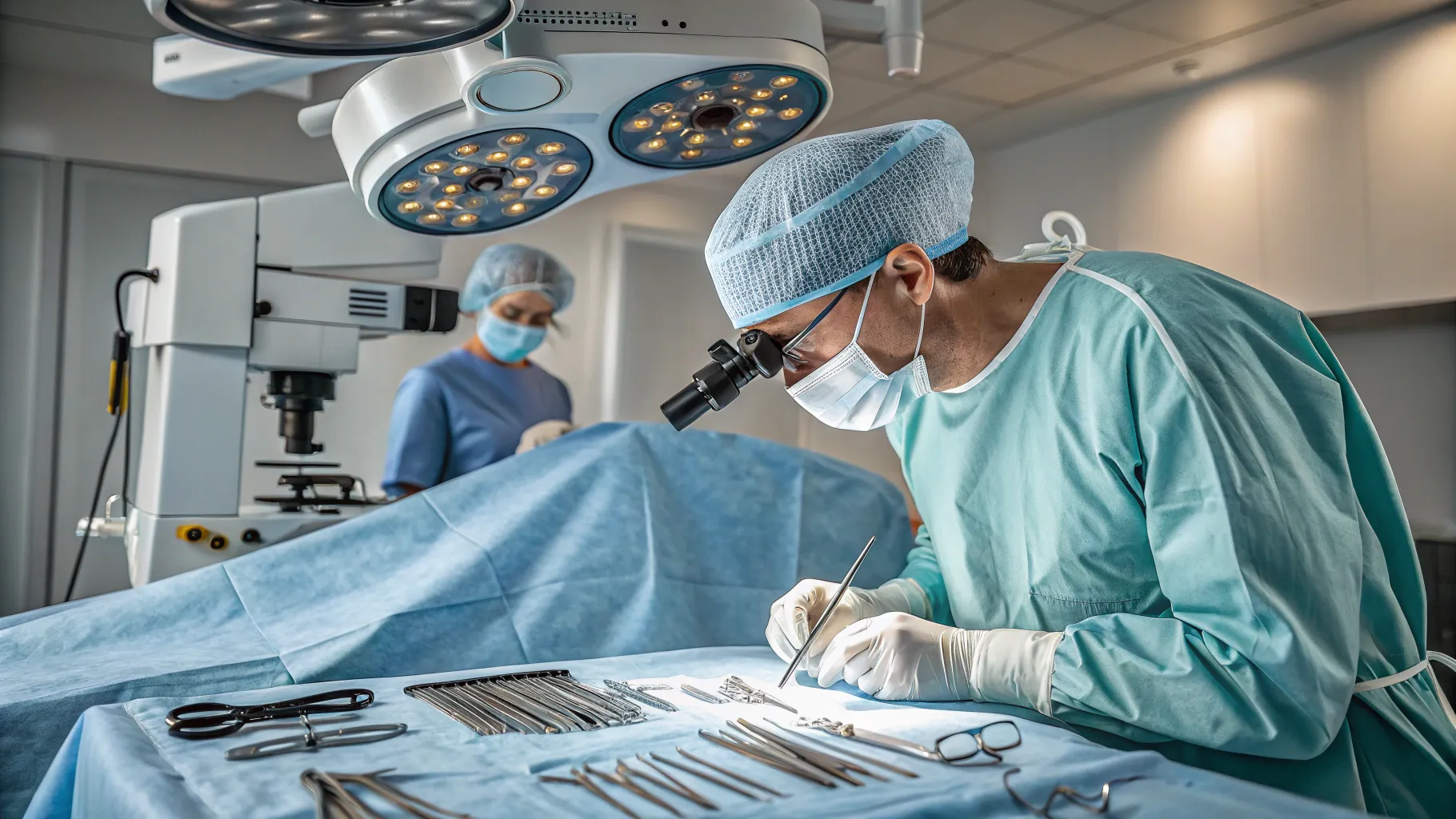
Cataracts, a prevalent condition among seniors, occur when the lens of the eye becomes cloudy, impairing vision. According to the Australian Institute of Health and Welfare, over 50% of Australians aged 80 and above exhibit signs of cataracts. The good news? Cataract surgery is one of the safest and most effective surgical procedures available today. The surgery typically involves removing the cloudy lens and replacing it with an artificial one. In 2025, advancements in techniques and technology ensure that recovery times are shorter and complications rarer than ever.
Minimally Invasive Glaucoma Surgery (MIGS)
Simultaneously, MIGS has transformed glaucoma care for senior patients. This innovative approach offers an array of advantages due to its less invasive nature compared to traditional methods such as trabeculectomy. Patients seeking MIGS often experience shorter recovery times and fewer complications, making it an attractive option for those already dealing with cataracts.
Cataract MIGS Cost Australia
When considering surgery, it’s vital to factor in the costs. In Australia, the price of cataract MIGS might seem daunting. The surgery can range anywhere from AUD 4,000 to AUD 8,000 for each eye, depending largely on the specific technology used and the surgeon’s expertise. Importantly, health insurance policies may cover part of these costs, and patients are encouraged to discuss coverage with their providers for a clearer understanding of potential out-of-pocket expenses.
When both extracapsular cataract surgery and MIGS are conducted simultaneously, seniors may see substantial cost savings. This combined technique can reduce overall surgery costs. Moreover, it can minimize the need for additional visits to specialists, allowing a streamlined approach to eye health.
MIGS vs Trabeculectomy in Australia
The comparison between MIGS and trabeculectomy is critical for seniors suffering from glaucoma alongside cataracts. Trabeculectomy is a traditional surgical procedure designed to lower intraocular pressure but carries a higher risk of complications, including infection and scarring, especially in older patients.
On the other hand, MIGS is specifically geared towards minimizing these risks, speaking directly to the needs of older patients. It's less invasive, making it particularly favorable for those with other existing health concerns. In Australia, statistics indicate that over 60% of glaucoma patients who opt for MIGS report improved quality of life and satisfaction with their vision post-surgery. This marks a notable advantage for elderly patients seeking positive outcomes with minimal disruption.
MIGS Eligibility in Australia
Who qualifies for MIGS? In Australia, eligibility greatly varies depending on the individual’s health and the complexity of their glaucoma. Generally, seniors diagnosed with mild to moderate primary open-angle glaucoma are suitable candidates for MIGS. Those who have previously undergone traditional glaucoma surgeries or have advanced glaucoma might be excluded due to the risks involved.
For seniors contemplating MIGS, a comprehensive assessment by an eye care professional is essential. Regular check-ups and monitoring allow for careful eligibility determination, ensuring that patients receive the most effective surgical option for their conditions. As more clinics embrace MIGS technologies, many doctors encourage discussions about the procedure during routine visits.
Real-World Examples and Case Studies
In the last six months, there have been noteworthy case studies highlighting the benefits of combining cataract and MIGS surgeries. One case involved a 75-year-old woman from Sydney, who struggled with poor vision due to cataracts and elevated eye pressure from glaucoma. After undergoing combined surgery in January 2025, she reported a significant improvement in vision clarity within just weeks. Her experience illustrates the potential of these combined approaches and sets a positive precedent for others in similar situations.
Moreover, a growing number of hospitals in Australia have begun offering these combined surgeries as a standard practice, further improving accessibility for seniors. The feedback from both patients and healthcare providers shows that this method is not just about improving vision but also enhancing overall life satisfaction, which is often a primary concern for older adults.
In Summary
As seniors weigh their options for treating cataracts and glaucoma, understanding the implications of cataract and MIGS surgery in Australia is crucial. With costs, eligibility, and surgical techniques rapidly evolving, keeping updated on the latest trends can empower patients. While financial considerations remain paramount, the right surgical decision hinges primarily on one’s individual health and circumstances. With the ongoing advancements in eye care in 2025, the future looks bright for those needing cataract and MIGS surgery.
It’s important to approach these decisions holistically, considering both physical health and financial implications, while seeking timely guidance from medical professionals. After all, clear vision is fundamental to enjoying life and the world around us.
Authored by FreshLifeWire team