Career Paths in Video Game Industry and Game Tester Salaries
Exploring Career Paths in the Video Game Industry
Are you a gamer considering a career in the gaming industry? You're not alone! The video game sector has exploded in popularity over the past few years, bringing exciting career opportunities. From development to testing and beyond, the landscape is vibrant and diverse. In this article, we will delve into the fascinating world of game testing, its significance, job roles, and the salaries associated with these positions.
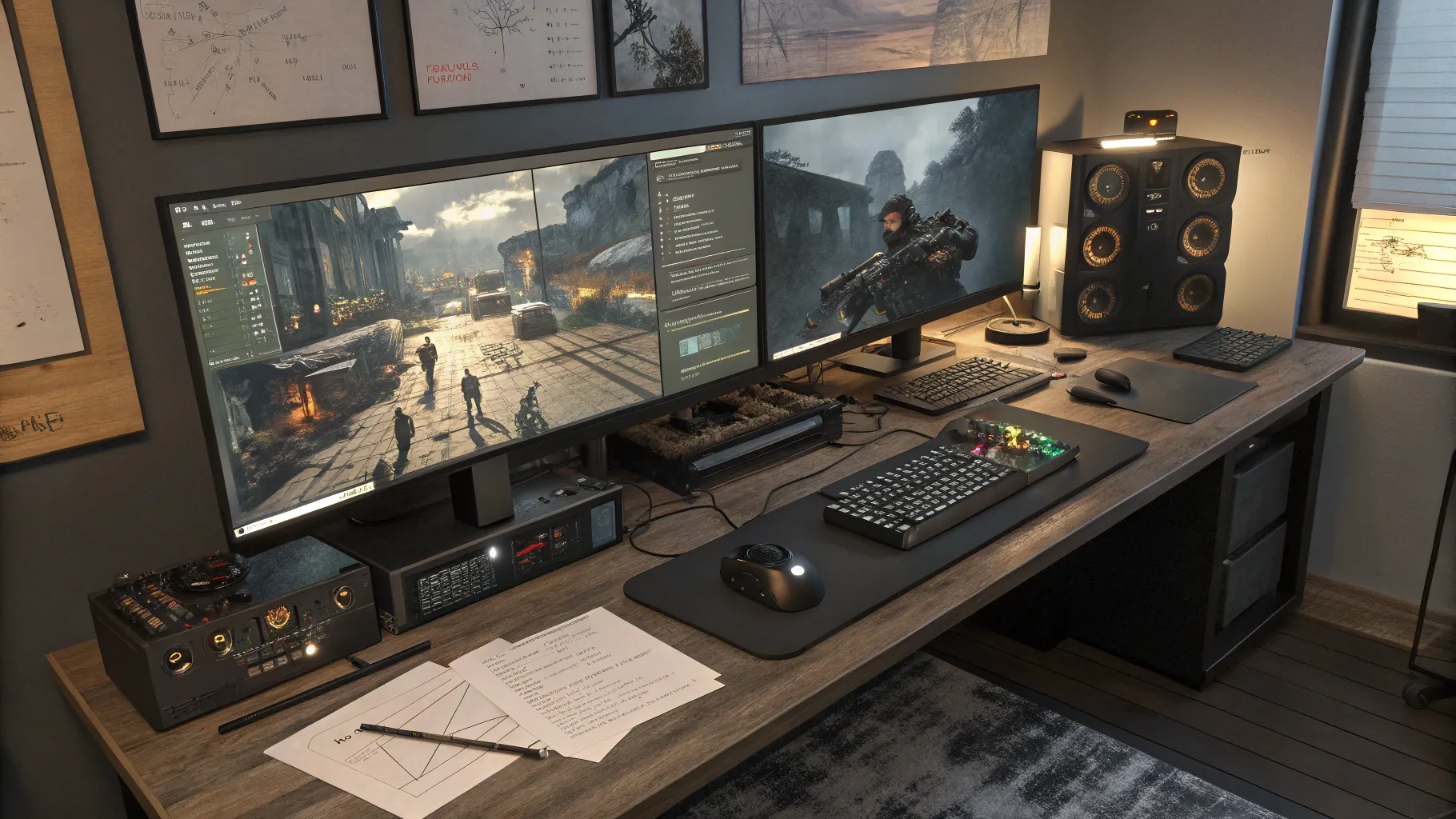
How to Become a Game Tester
Becoming a game tester can be an enticing prospect for those who love video games and want an inside look at game development. Game testers play a crucial role in ensuring games are fun and functional before hitting the market. To embark on this career path, there are several steps one might take:
- Education: While a specific degree isn't always necessary, having a background in computer science, game design, or software engineering can be advantageous.
- Experience: Play games regularly and learn what makes a game enjoyable or frustrating. Understanding gaming mechanics helps build fundamental testing skills.
- Portfolio: Craft a portfolio that highlights your testing skills by creating reports or documents detailing what you noticed in games you played. This demonstrates your analytical abilities to potential employers.
- Networking: Engage with professionals in the industry through platforms like LinkedIn, attend gaming conferences, and join online gaming communities to learn about job opportunities.
Types of Game Testing
The field of game testing is rich with various avenues, each with its special focus:
- Functional Testing: This testing ensures all game features work as intended. It involves checking for bugs, glitches, and ensuring expert playability.
- Compliance Testing: Ensures a game meets console manufacturer guidelines (like Sony or Microsoft). For a game to be released on their platforms, it must adhere to strict regulations.
- Localization Testing: Necessary for games released in multiple languages or regions. This process ensures translations are accurate and culturally appropriate.
- Performance Testing: Focused on how well a game runs under various conditions, like different hardware setups or player loads, ensuring it maintains smooth playability.
Game Tester Salary and Job Market
As of 2025, the demand for game testers reveals that many companies are eager to hire individuals who can help enhance the quality of their products. With the continuous surge in gaming’s popularity, the average monthly salary for a game tester can be quite appealing. On average, game testers earn about $4,000 to $5,600 per month, depending on their experience and the company size. Entry-level positions may start around $3,000, while experienced testers can earn considerably more.
Moreover, companies are increasingly recognizing the value testers bring to the development process, leading to better pay and more opportunities. The game testing landscape is competitive, but those with a solid foundation and skills can find a comfortable niche.
A real-world example can be seen with a large gaming studio recently announcing plans to hire additional game testers for their upcoming titles, emphasizing the growth potential in this career sector. As the industry expands with technological advancements, emerging platforms, and the rise of eSports, game testing continues to evolve, making it a viable long-term career option.
Career Paths Beyond Game Testing
While game testing is a fantastic entry point, it is not the only route within the video game industry. Many game testers find opportunities to transition into other roles, such as:
- Game Designer: Moving from testing to design allows you to contribute creatively to game mechanics and storytelling.
- Quality Assurance Lead: After gaining experience, testers can oversee testing teams, manage projects, and ensure quality across titles.
- Game Producer: This role involves overseeing the development process, from conception to release, offering a chance to shape entire projects.
- User Experience (UX) Designer: Taking insights gained from testing can transition you into roles focusing on player experience and game usability.
A notable instance is how many QAs (Quality Assurance testers) from firms like Riot Games have advanced into design and production roles, showcasing the versatility within the video game industry.
In-Demand Skills for Game Testers
To excel in game testing, there are specific skills that can set candidates apart:
- Attention to Detail: Game testers must meticulously document bugs and irregularities, requiring a keen eye.
- Analytical Thinking: Assessing game elements and identifying issues is crucial for improving gameplay.
- Communication Skills: Testers need to articulate their findings clearly to developers to facilitate effective fixes.
- Technical Knowledge: Familiarity with programming languages or game engines can enhance a tester's effectiveness.
Today, many online platforms offer courses tailored to developing these skills, aiding aspiring game testers in their pursuit.
In summary, a career as a game tester opens doors to a passionate and dynamic industry where creativity and technology intersect. With multiple avenues for growth, perks, and the chance to influence the gaming experiences of millions, it's a thrilling option for anyone excited about gaming!
Authored by FreshLifeWire team