Calming Nighttime Techniques for Better Sleep
Calming Nighttime Techniques for Better Sleep
In our fast-paced world, achieving a restful night’s sleep has become more elusive than ever. Many individuals find themselves tossing and turning, plagued by racing thoughts and stress. However, implementing calming nighttime techniques can help you transition into a peaceful sleep state. These practices not only enhance your sleep quality but also contribute positively to your overall health and mental well-being.
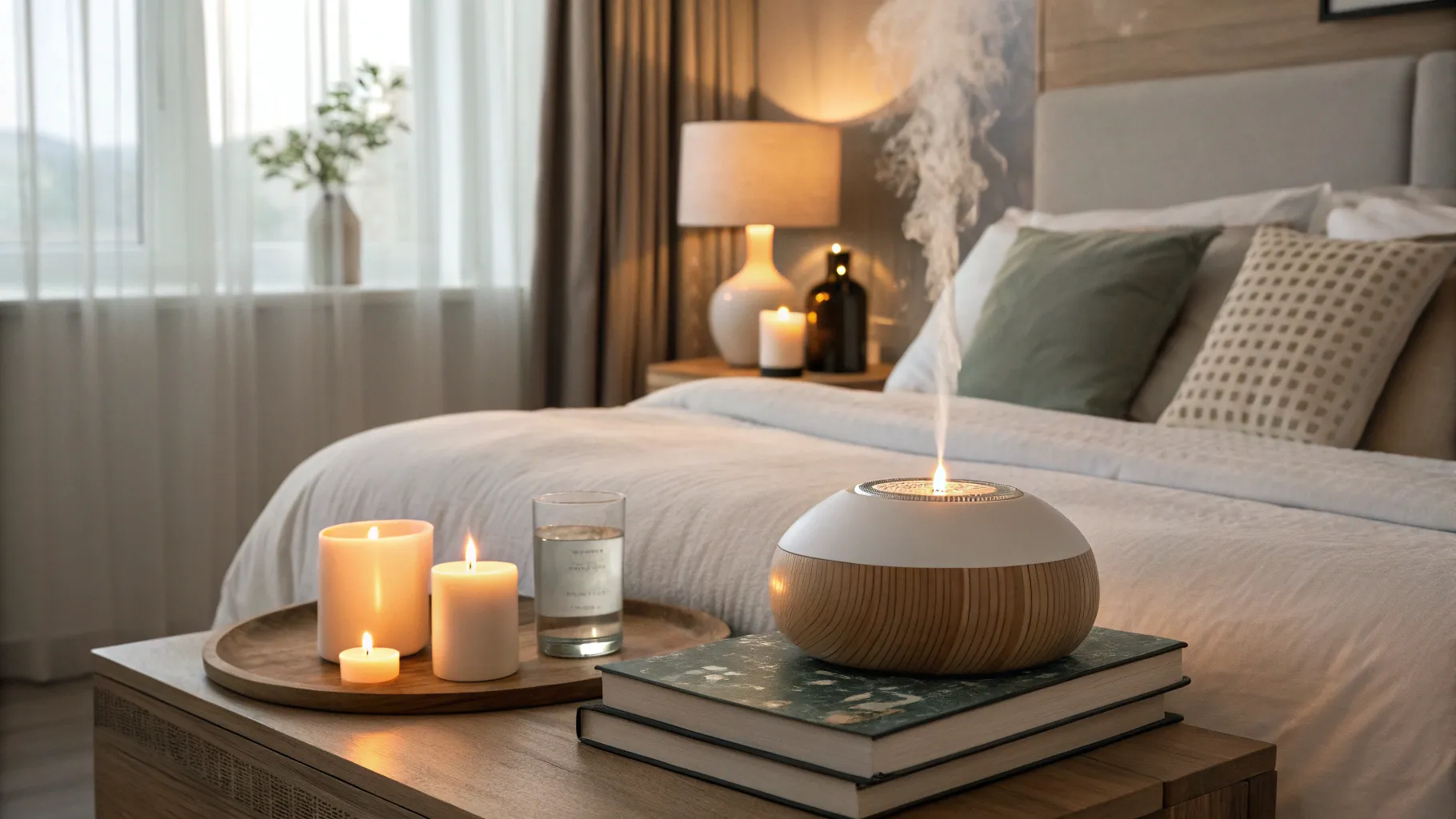
Effective Sleep Relaxation Routines
Creating effective sleep relaxation routines is essential for signaling to your body it's time to wind down. One way to do this is by establishing a consistent bedtime routine. Studies show that approximately 70 percent of people sleep better when they engage in a pre-bed ritual. Here are a few techniques that can greatly influence your sleep quality:
- Set a Consistent Sleep Schedule: Going to bed and waking up at the same time every day—yes, even on weekends—helps regulate your body’s internal clock, making it easier to fall asleep and wake up refreshed.
- Limit Screen Time: Blue light emitted by screens can interfere with melatonin production. Aim to turn off screens at least an hour before bed. Instead, enjoy a soothing book or listen to calming music.
- Take a Warm Bath: A warm bath before bedtime helps raise your body temperature. When you step out of the bath, your body temperature drops, signaling that it's time to sleep.
- Practice Sleep Hygiene Steps: Good sleep hygiene includes keeping your bedroom dark, quiet, and cool. Consider using blackout curtains or a white noise machine to create a quiet sleep environment that fosters relaxation.
Implementing these bedtime routine tips can create a sanctuary in your bedroom, allowing you to disengage from the day’s stressors and prepare for a night of restorative sleep.
Deep Breathing Exercises for Sleep
When you lay down to sleep, it's common for the mind to race and anxiety to creep in. To combat this, incorporating deep breathing exercises can effectively calm nighttime anxiety. One popular technique is the 4-7-8 breathing method:
- Inhale deeply through your nose for a count of 4.
- Hold your breath for a count of 7.
- Exhale slowly through your mouth for a count of 8.
By repetitively practicing this technique, you signal your body to relax, effectively lowering your heart rate and promoting better sleep. Research suggests that deep breathing can reduce anxiety levels by up to 50%, making it a simple yet powerful tool in your arsenal for combating sleepless nights.
Creating a Quiet Sleep Environment
Your sleep environment plays a crucial role in your ability to fall asleep and stay asleep. Creating a quiet sleep environment involves several strategies:
- Soundproofing: If external noises disturb your sleep, consider soundproofing your room. Simple solutions include using foam soundproofing panels or creating a white noise barrier with a fan. Recent surveys indicate that 75% of individuals report improved sleep with reduced noise levels.
- Optimizing Comfort: Invest in quality sheets and pillows that suit your sleeping style. A comfortable mattress is vital as well—research shows that a supportive mattress can improve sleep quality by 60%.
- Aromatherapy: Essential oils like lavender and chamomile have calming properties that can promote relaxation. Using a diffuser in the evening to disperse these scents can significantly enhance your sleeping environment.
In 2025, awareness of the importance of a dedicated sleep environment continues to grow, emphasizing the need for holistic approaches to sleep health.
Reducing Nighttime Anxiety
Nighttime anxiety is one of the most significant barriers to obtaining a good night's sleep. Stressors from everyday life can create an overwhelming sense of dread when it’s time to sleep. Recognizing what triggers your nighttime anxiety is the first step in managing it. Some effective strategies include:
- Mindfulness Meditation: Engaging in mindfulness exercises before bed helps clear your mind and attune your focus to the present moment. Practicing mindfulness can reduce anxiety levels and improve sleep outcomes.
- Journaling: Writing down your thoughts, worries, or even a list of things you’re grateful for can declutter your mind. Set aside a few minutes each night to jot down your reflections, allowing your mind to let go of any burdens before sleep.
- Cognitive Behavioral Techniques: If you find anxiety consistently keeping you awake, consulting a professional for cognitive behavioral therapy may provide you with tools tailored to your specific needs, helping you to reshape anxious thought patterns.
The key is to create a combination of these calming nighttime techniques in your routine. Recognizing what works for you to reduce nighttime anxiety will lead to better sleep quality over time.
Incorporating these calming nighttime techniques into your life can significantly improve your sleep routine. As you make these practices part of your nightly ritual, you'll likely find it easier to fall asleep quickly and enjoy a deeper, more restorative sleep. Advocate for your own sleep health in 2025—every night can be a step toward a more rested, brighter you.
Authored by FreshLifeWire team