Calculate the Right TV Size for Your Home with Ease
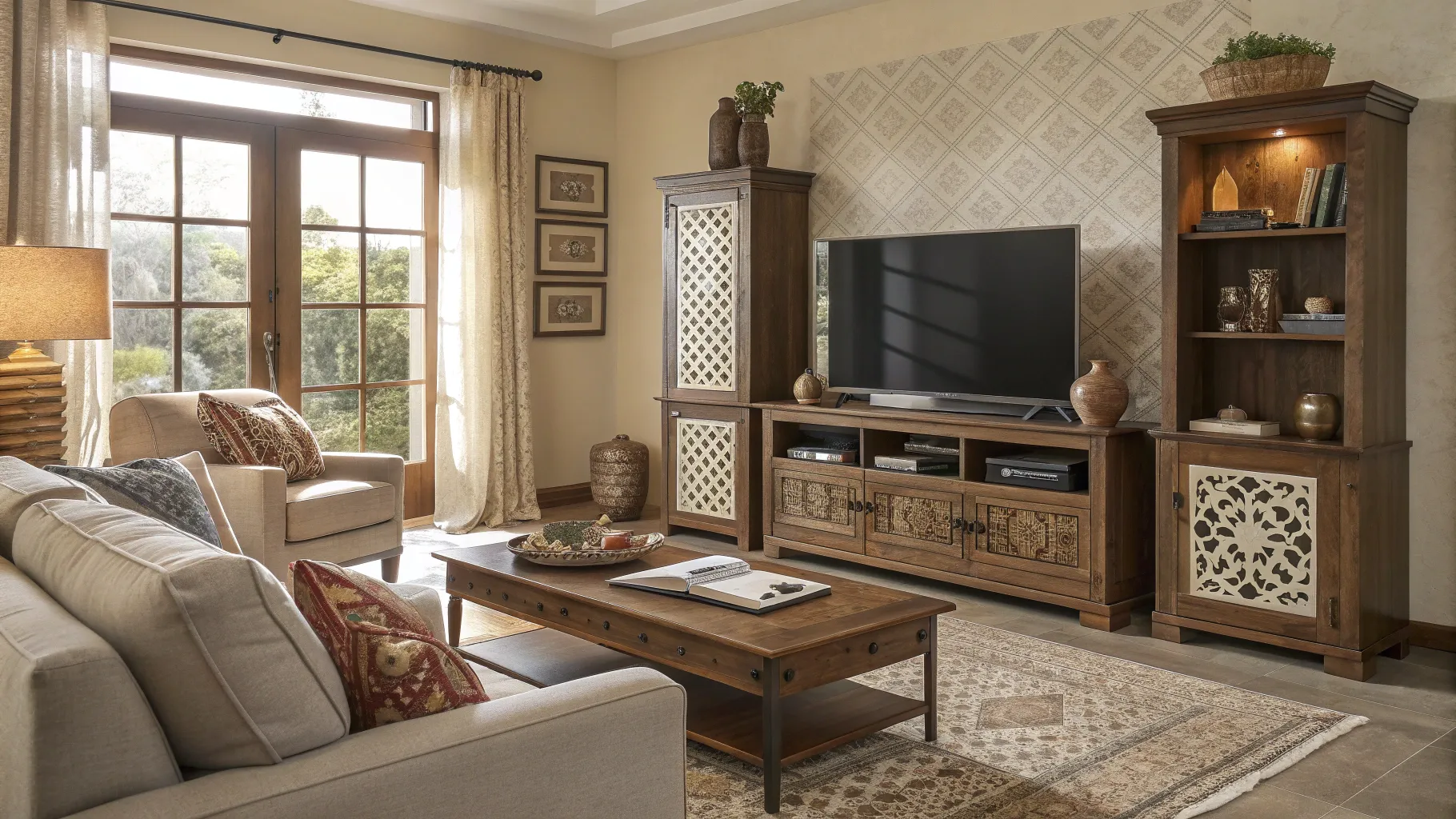
Understanding the Importance of TV Size in Home Entertainment
When it comes to setting up a home entertainment system, choosing the right TV size is crucial. A TV that is too big can overwhelm a small room, while one that is too small can make it difficult to enjoy your favorite shows and movies. In 2025, with advancements in display technology and content quality, it’s more important than ever to select a screen size that enhances your viewing experience without compromising your comfort.
Experts generally recommend that viewing distance plays a significant role in determining the ideal TV size for any room. This guide will walk you through the calculations necessary to help you make that decision using a simple formula based on your seating distance.
How to Calculate the Right TV Size for Your Home
The general rule of thumb is that the optimal size of your TV depends not only on the size of the room but also on how far away you will be sitting from the screen. In most cases, you'll want your viewers to be sitting at a distance that is 1.5 to 2.5 times the diagonal size of the TV screen, measured in inches. Let's break down the steps to find the perfect TV size.
Step 1: Measure Your Viewing Distance
First, take a moment to measure the distance between your seating area (like a couch or chairs) and where you plan to place your TV. This measurement is best taken in inches; however, for more precision in larger spaces, you can also convert this to meters. For example, if your sofa is 10 feet away from the screen, that translates to about 120 inches or approximately 3.05 meters.
Step 2: Use the TV Size Formula
- The formula to calculate the ideal TV size is: Viewing Distance (inches) ÷ 2 = TV Size (inches)
- In this case: 120 inches ÷ 2 = 60 inches
This means a 60-inch TV would be a comfortable fit for your viewing distance. However, if you want a more cinematic experience, you can opt for larger screens, as long as you ensure the viewing distance allows it.
Step 3: Choose the Right TV Size in Meters
If you prefer to calculate in meters, simply convert your measurements:
- You can convert inches to meters using the formula: Inches × 0.0254 = Meters
- So, a 60-inch TV would be 60 × 0.0254 = 1.524 meters diagonally.
Don’t forget, this number represents the diagonal size of the TV, which is how TVs are marketed. The actual width and height will vary based on the TV's aspect ratio, but we're primarily focused on diagonal size for fitting it in your room.
Consider Your Room Layout and Viewing Angle
After calculating your ideal TV size, consider the layout of your room. Factors like walls, furniture arrangement, and even window placements can affect how you enjoy your entertainment. The angle at which you view the TV is equally significant. Experts suggest that ideally, viewers should sit at an angle of no more than 30 degrees to maintain the best viewing experience.
In large open spaces, you may want to consider a larger screen to compensate for the distance, but be mindful that excessively large screens can detract from the enjoyment. On the flip side, compact TVs (like those ranging between 40-55 inches) suit smaller areas, such as studios or dens where proximity to the screen keeps the experience immersive.
Highlighting the Factor of Room Style and Decor
Your home's style also plays a role in deciding the size of your TV. A large, modern TV can complement a minimalist design, while a more traditional or cozy space may call for something smaller and more subtle. In late 2024, various brands have started incorporating sleek designs that blend into the decor, so choosing a TV that meets your aesthetic can enhance your living space.
Latest Trends in TV Sizes and Technology
As of early 2025, the market is swamped with options. TVs span from 32 inches - perfect for bedrooms - to a whopping 85 inches, ideal for home theaters. OLED and QLED technologies offer vivid displays that enhance the viewing experience, making larger screens more desirable. For instance, the average screen size purchased has jumped to around 65 inches, according to recent consumer trends.
Moreover, many households are moving towards multi-screen setups, especially for households with varying viewing preferences. Some may opt for a compact bedroom TV while enjoying a larger display in the main entertainment room.
Ultimately, understanding how to calculate the right size for your television, while considering the latest trends and room layouts, can greatly enhance your home viewing experience. So, get out that measuring tape and see how you can bring the cinema right into your living room!
Authored by FreshLifeWire team