Stent vs Bypass: Best Heart Procedure for Elderly Patients
Bypass or Stent Which is the Better Option for Elderly Patients
As the population ages, healthcare providers face increasingly complex challenges in managing cardiovascular diseases, particularly coronary artery disease (CAD). Among older adults, two common interventions for treating blocked arteries are bypass surgery and stent placement. Selecting the appropriate treatment for elderly patients is critical and involves weighing the advantages and disadvantages of each approach.
Understanding the Types of Procedures
When it comes to coronary artery disease, patients typically have two main options:
- Bypass Procedure: This surgical intervention involves redirecting blood flow around blocked arteries using grafts harvested from other veins or arteries in the body. While this method is more invasive and requires hospitalization, it can offer significant long-term benefits, especially for patients with multiple blockages.
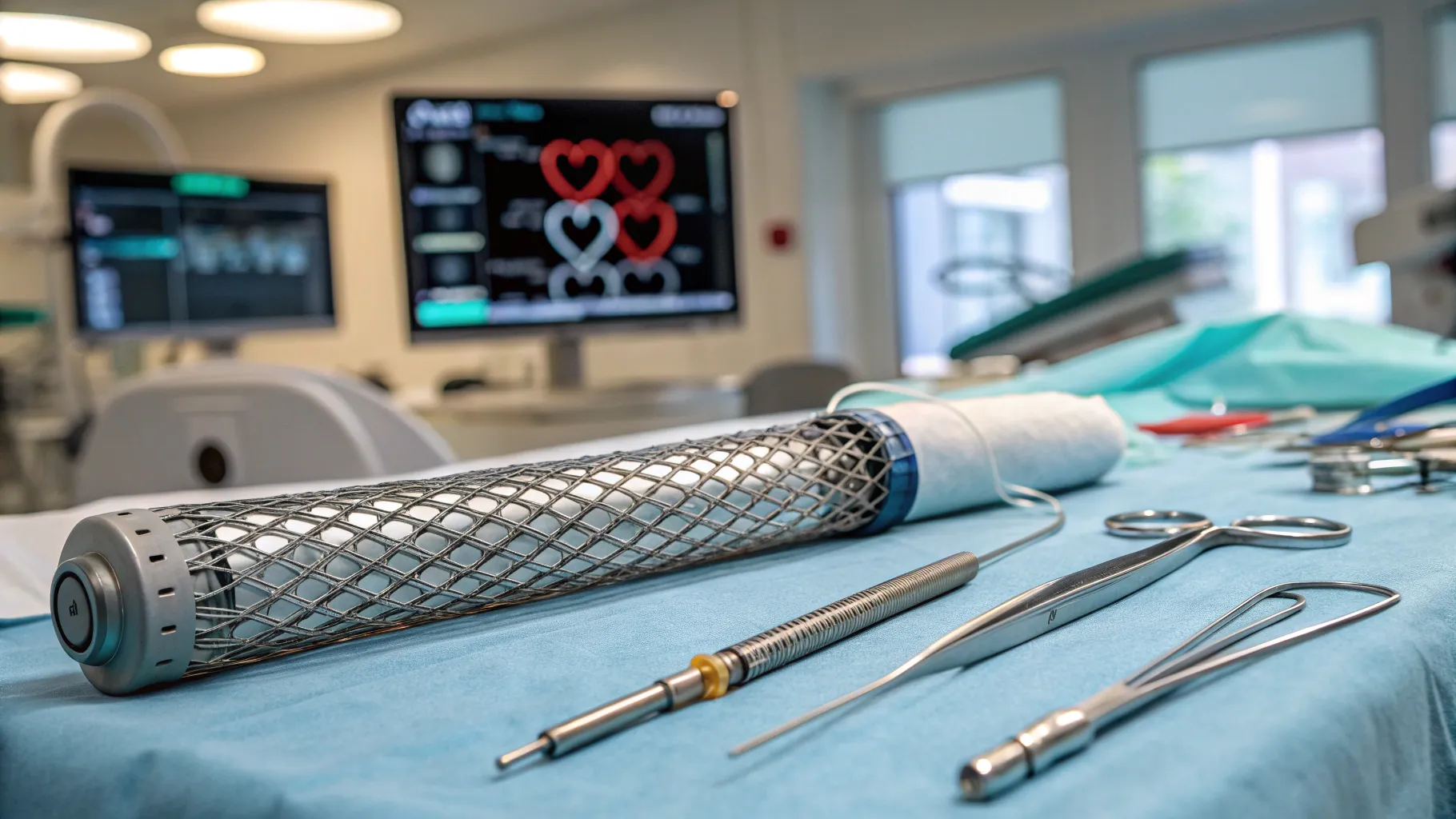
- Stent Placement: In contrast, stenting is a minimally invasive procedure. A small mesh tube, called a stent, is inserted into the affected artery through a catheter. This method is typically performed in a catheterization lab under local anesthesia, allowing for quicker discharge from the hospital.
Stent vs Bypass Life Expectancy in Elderly Patients
Choosing between stenting and bypass surgery can significantly influence life expectancy for elderly patients. Research consistently shows varying outcomes based on the complexity of CAD and the patient’s overall condition.
Recent studies indicate that older patients who undergo bypass surgery may enjoy extended survival compared to those receiving stents, particularly in complex cases. For instance, a 2025 study published in the Journal of Cardiology found that elderly patients undergoing bypass surgery could see a life expectancy increase of 5 to 10 years over those treated with stents for similar disease severity.
However, stenting remains appealing due to its quicker recovery time. The less invasive nature of this procedure means many elderly patients prefer it, especially when facing less severe forms of CAD.
Cost and Expense Comparison
Cost is another critical factor affecting the decision-making process for elderly patients and their families. Currently, stent placement costs around $30,000, while bypass surgery can average $100,000. Although initial costs may appear lower for stenting, several additional factors must be considered.
- Follow-up Care: Patients with stents often require ongoing follow-up appointments and medications, such as blood thinners, to minimize complications. These long-term costs can accumulate over time.
- Hospital Stay: Following bypass surgery, patients usually remain hospitalized for 5 to 7 days on average, which contributes to higher overall expenses. In contrast, stenting generally requires just one to two days in the hospital.
- Quality of Life: For many patients, the potential increase in life quality and longevity associated with bypass surgery justifies the higher initial expenditure. Patients experiencing debilitating angina symptoms often report substantial relief and improved well-being post-surgery.
Recovery in Elderly Patients
Recovery from these two interventions varies remarkably for elderly patients. With stent placement, many can return to their normal activities within a week. However, the recovery period for bypass surgery is generally more intensive, typically ranging from 6 to 12 weeks, depending on the individual’s health and complications.
Several factors can influence recovery time, including:
- Pre-existing Health Issues: Conditions such as diabetes, obesity, or a history of heart problems can complicate recovery and may dictate the most appropriate procedure.
- Support System: The presence of family or caregivers can significantly impact recovery, particularly for elderly patients who may need assistance during the healing process.
Risks and Complications
Both surgical options carry risks, particularly for older patients. Understanding the potential complications associated with each procedure is crucial:
- Bypass Procedure Risks: Common complications include infections, blood clots, and issues arising from anesthesia. Moreover, elderly patients may face the risk of postoperative cognitive dysfunction, which can impact recovery and quality of life.
- Stent Placement Risks: While generally safer, stenting is not without its challenges. Potential complications may involve re-narrowing of the artery or even a heart attack in rare instances, even though these are less severe than those associated with open heart surgery.
Indications for Bypass or Stent
The choice between bypass and stenting should be founded on thorough clinical evaluation and understanding of the patient’s specific situation. Key considerations include:
- Extent of Blockage: Bypass surgery is often suggested for patients with multiple or complex arterial blockages.
- Symptoms: Patients suffering from debilitating angina tend to experience more significant benefits post-bypass surgery.
- Overall Health: For elderly individuals in good health without major comorbidities, stenting can be a more attractive option due to its rapid recovery.
In summary, navigating the complex landscape of treatment options for coronary artery disease in elderly patients calls for a thoughtful approach. Healthcare providers and patients must work together, weighing the clinical, financial, and lifestyle factors involved in each procedure. With ongoing advancements in medical technology and techniques, tailored solutions are evolving to better address the unique needs of older adults living with heart disease. As we continue to learn more about these procedures in the current healthcare landscape, patients can expect more personalized care focused on quality of life and long-term health outcomes.
Authored by FreshLifeWire team