Bypass Surgery for Seniors What to Expect Benefits Risks
Understanding Bypass Surgery for Seniors What to Expect
As we grow older, our hearts can face more challenges, particularly from conditions like coronary artery disease. For many seniors, undergoing a bypass surgery can be a life-changing decision that leads to significant improvements in overall health and vitality. If you or a loved one are considering this surgery, understanding what it entails, the types available, and the recovery process is vital for making an informed choice.
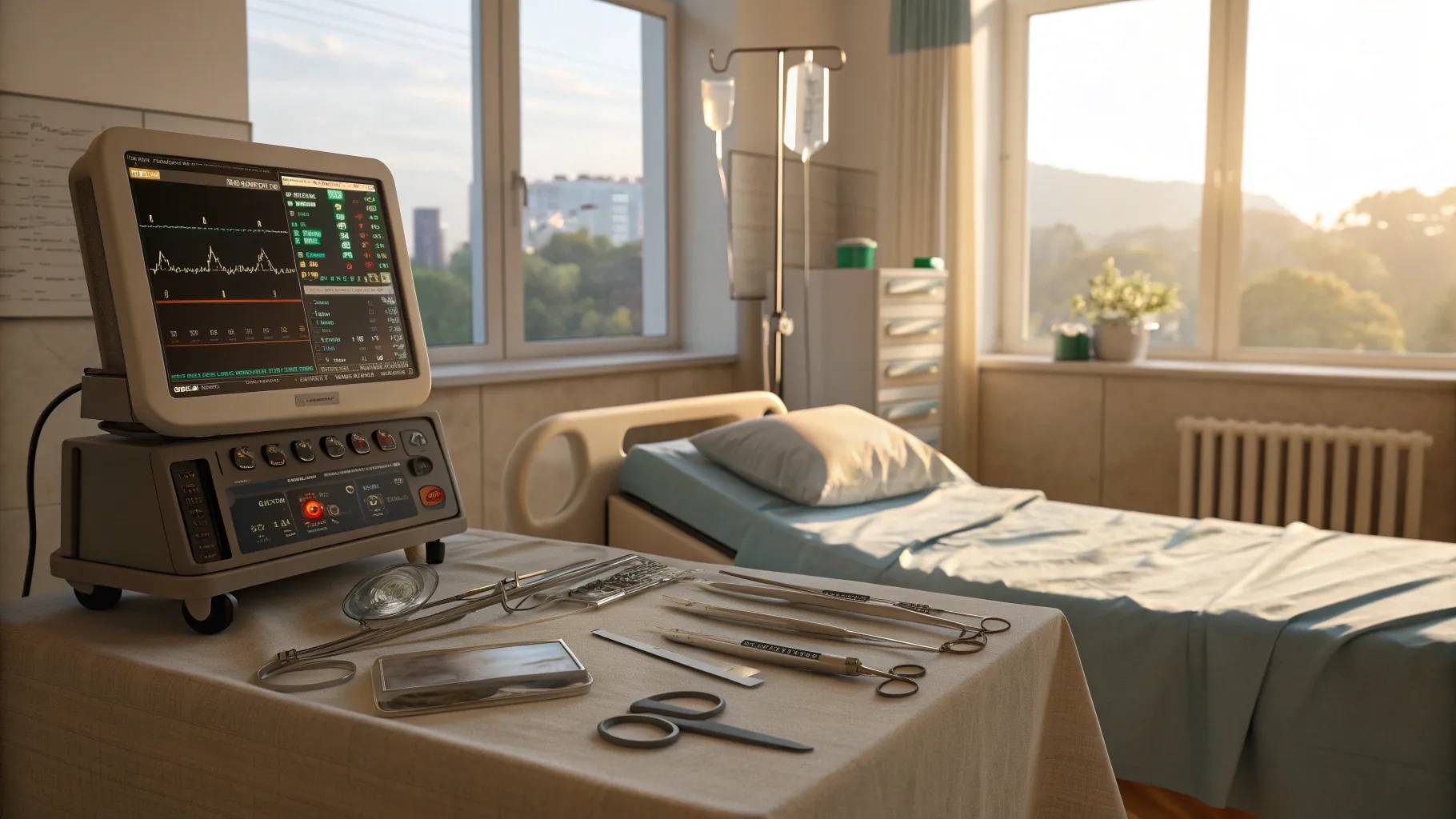
Examining the Types of Bypass Surgery
In the realm of heart surgery, there are primarily two types of bypass procedures performed regularly:
- Coronary Artery Bypass Grafting (CABG): This prevalent procedure involves improving blood flow to the heart by surgically bypassing blocked arteries. Surgeons use healthy veins or arteries from other parts of the body to create a new route for blood to travel.
- Off-Pump Bypass Surgery: Unlike traditional CABG, this method is performed while the heart is still beating. Utilizing specialized tools, surgeons stabilize the area in operation without the need for a heart-lung machine, potentially leading to better outcomes for certain patients.
With nearly 400,000 CABG surgeries performed annually in the United States, it's clear how significant these procedures are in managing severe heart conditions in older adults. Recent statistics indicate that more than a quarter of these surgeries are performed on patients aged 65 and older, underscoring its relevance for seniors.
When is Bypass Surgery Recommended
Bypass surgery is often suggested in specific scenarios, which include:
- Experiencing debilitating chest pain (angina) that affects daily life and activities.
- Having multiple blocked arteries that aren’t amenable to treatment by medication or less invasive procedures like angioplasty.
- A severe blockage in the left main coronary artery, which poses a significant risk to heart health.
Doctors conduct thorough evaluations, frequently opting for tests like angiograms, which provide crucial insights to determine surgical necessity. Notably, research indicates that about 50% of all bypass surgeries are performed on older adults, highlighting the urgency of addressing heart health in this age group.
Breakdown of the Bypass Procedure Steps
The bypass surgery process comprises several critical steps, each vital to ensuring patient safety and surgical success:
- Preoperative Preparation: A thorough assessment that includes blood tests, diagnostic scans, and detailed consultations with the surgical team. This phase ensures the patient is physically prepared to endure surgery.
- Anesthesia: The patient is placed under general anesthesia, ensuring they remain completely unaware and free from pain during the procedure.
- Incision: The surgeon typically makes an incision in the middle of the chest. Minimally invasive techniques may utilize smaller incisions, leading to potentially shorter recovery times.
- Harvesting Grafts: During this step, blood vessels are sourced from the patient’s leg, arm, or chest, which will be employed to construct the bypass.
- Creating the Bypass: The surgeon connects the chosen graft above the location of the blockage and below it, allowing blood to reroute through the newly created path.
- Closure: The surgical team inspects blood flow to confirm effectiveness before closing the chest, often utilizing stitches or staples.
Typically, the surgery lasts between three to six hours, with individual cases varying based on complexity and patient health conditions.
Recovering After Bypass Surgery
Recovery from bypass surgery is a critical period that requires patience and adherence to medical advice. Initially, the hospital stay generally lasts around three to five days, during which healthcare providers monitor progress closely. Upon discharge, seniors can expect the following:
- Follow-up Appointments: Regular check-ins with medical professionals to track recovery and manage any medications necessary for heart health.
- Cardiac Rehabilitation: A structured program aimed at helping patients regain strength and adopt heart-healthy habits through supervised exercise and lifestyle education.
- Gradual Return to Activities: Light daily activities might be resumed soon after discharge, but full recovery can take three to six months based on individual older adult health conditions.
During recovery, it’s essential to maintain a heart-healthy diet rich in fruits, vegetables, whole grains, and lean proteins, coupled with regular physical activity as advised, and strategies for stress management. Seniors often report enhanced quality of life following surgery, citing reduced pain and increased energy levels that allow them to return to hobbies and social activities.
Understanding Surgery Risks and Complications
While bypass surgery can be life-saving, potential risks and complications demand consideration, especially for seniors. Some risks include:
- Infection at the incision site
- Excessive bleeding
- Myocardial infarction (heart attack)
- Stroke
Patients must engage in a frank discussion with their healthcare providers about these risks. Current statistics show that advancements in surgical techniques and medical technology have helped reduce overall complication rates, yet older patients remain at elevated risk for certain adverse outcomes.
Success Rate and Life Expectancy After Bypass Surgery
Encouragingly, the success rate of bypass surgery is high. Recent findings indicate that approximately 85-90% of elderly patients experience significant improvement in symptoms and quality of life following the operation. Furthermore, the five-year survival rate for seniors who undergo this life-saving procedure is estimated at 70-75%. This figure can further improve depending on the individuals’ overall health and commitment to adopting a healthier lifestyle post-surgery.
Many patients enjoy an enhanced quality of life after a successful bypass. Research highlights that with the right rehabilitation and adherence to healthy habits, seniors can extend their life expectancy and fully engage in the activities they cherish. This proves the importance of maintaining dialogue with healthcare providers for a tailored approach to recovery and health management.
If you or someone close to you is considering bypass surgery, it is crucial to have comprehensive discussions with healthcare professionals to illuminate every aspect of the procedure, including associated risks, recovery expectations, and the potential for an improved lifestyle afterward. Bypass surgery can provide a vital opportunity for many seniors, allowing them to reclaim their health and thrive once more.
Authored by FreshLifeWire team