Buying Guide for Inverter Battery
Buying Guide for Inverter Battery
In 2025, as power outages persist and renewable energy solutions gain traction, the demand for inverter batteries remains strong. For homeowners looking to maintain a steady power supply during outages, understanding the nuances of inverter batteries has become crucial. This comprehensive buying guide will explore the types of inverter batteries available, highlight key factors to consider when selecting one, address common mistakes, and suggest a reliable capacity calculator to ensure you choose the right product for your needs.
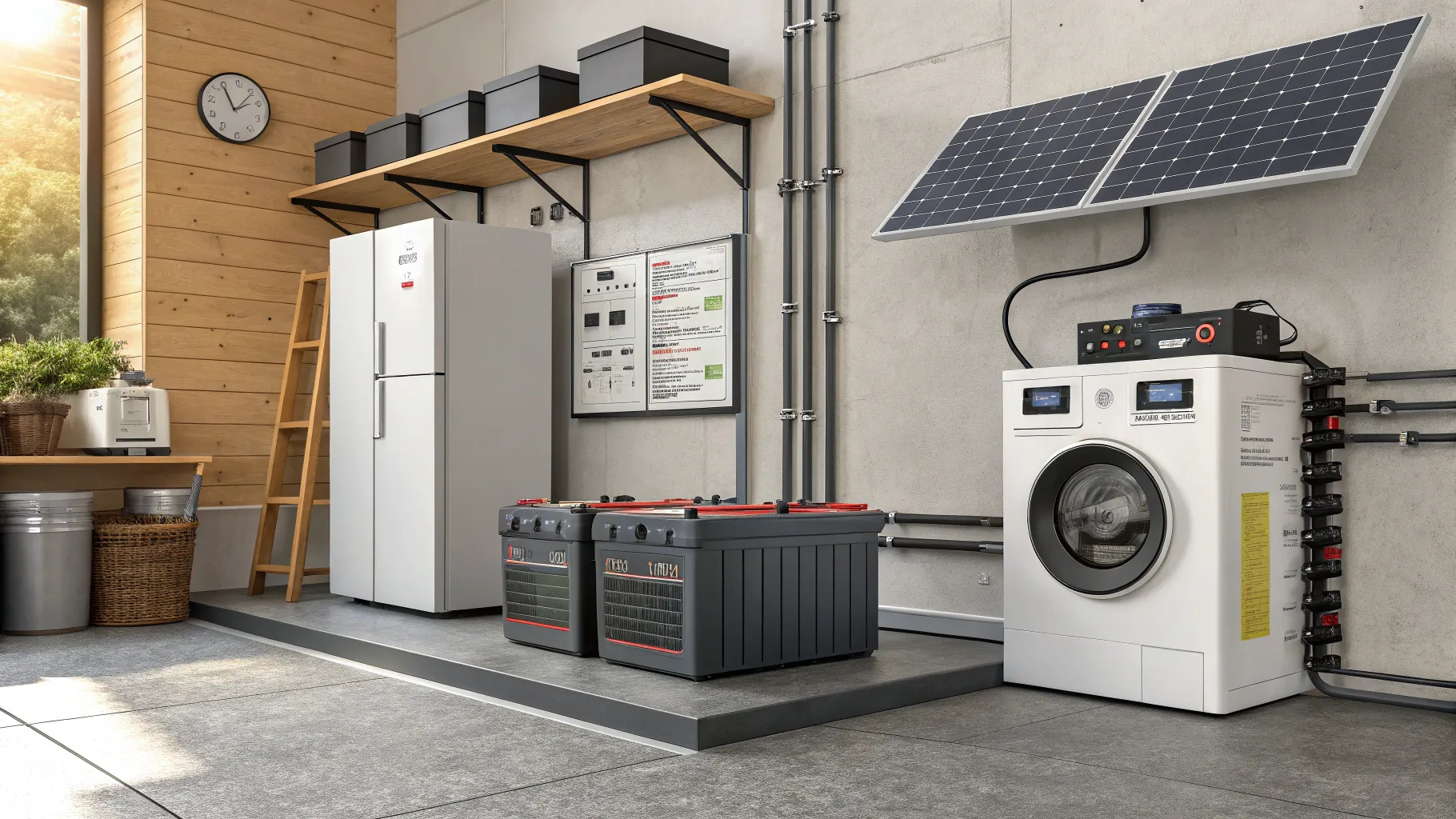
Types of Inverter Battery for Home
Before diving into how to choose the right inverter battery, it's essential to understand the different types available on the market. The two primary options are:
- Lead-Acid Batteries: This type is further divided into conventional flooded batteries and sealed batteries (AGM or gel). They are generally more affordable and known for their robustness and reliability. However, they have a shorter lifespan compared to newer technologies.
- Lithium-Ion Batteries: Becoming increasingly popular due to their high energy density and longer lifespan. They are lighter, require less maintenance, and typically last longer than lead-acid batteries, making them ideal for home use in scenarios where frequent outages occur.
In 2023, a study showed a significant shift towards lithium-ion batteries, which now account for nearly 40% of the market share, indicating a trend homeowners should pay attention to.
How to Choose Inverter Battery
When selecting an inverter battery, consider the following factors:
- Capacity: Measured in Ampere-hour (Ah), this defines how long your battery can power your appliances. For example, if you run a 100-watt bulb for 10 hours, you’ll need a battery with at least 84 Ah capacity to cover the usage.
- Power Output: Ensure the battery can handle the combined wattage of your appliances. If all your home appliances draw a total of 500 watts, your inverter must support that load efficiently.
- Efficiency: Look for batteries with high efficiency ratings to reduce energy loss. Lithium-ion batteries typically enjoy higher efficiency figures compared to lead-acid alternatives.
- Lifespan and Warranty: Most inverter batteries come with warranties ranging from 2-10 years. It’s essential to check how long the manufacturer claims their battery will last, as longer warranties usually suggest higher quality.
- Brand Reputation: Choose well-established brands known for their reliability. User reviews and ratings can also help gauge consumer satisfaction and performance.
In 2023, many reputable manufacturers have introduced models that can withstand more frequent charging cycles, a feature valuable for households reliant on solar-powered solutions.
Common Mistakes When Buying Inverter Battery
Many consumers fall victim to common pitfalls. Being aware can save you money and headaches down the line:
- Underestimating Power Needs: Calculate your total power requirement to prevent purchasing a battery that won’t satisfy your energy needs.
- Ignoring Maintenance Requirements: Some batteries require regular maintenance; neglecting these tasks can lead to premature failure.
- Overlooking Technical Specifications: Not all batteries are created equal—verify the specs against your requirements before making a purchase.
- Choosing Based on Price Alone: While it’s tempting to pick the cheapest option, quality, longevity, and efficiency are often worth the investment.
In mid-2023, a consumer survey revealed that 57% of buyers regretted their inverter battery choices, primarily because they prioritized low costs over quality.
Inverter Battery Capacity Calculator
Utilizing an inverter battery capacity calculator is a smart approach to ensure you make an informed decision. Here’s a simple method to calculate:
Total Energy Requirement (Wh) = Total Wattage (W) × Total Hours of Use (h)
For instance, if you have a total of 600 watts of appliances that you plan to use for 5 hours, then:
Total Energy Requirement = 600W × 5h = 3000Wh
Now if we assume your inverter battery is 12V, you will require:
3000Wh ÷ 12V = 250Ah
This means you need a battery with a capacity of at least 250Ah to run your appliances for the specified time.
Inverter Battery Price Comparison
Pricing for inverter batteries can vary based on type, brand, and capacity. Here’s a rough estimate based on recent trends in 2023:
- Lead-Acid Batteries: Costs range from $100 to $200 per 100Ah.
- Lithium-Ion Batteries: Typically priced between $600 and $1,200 for similar capacities due to their enhanced performance.
Investing in a high-quality battery may prove beneficial in the long run, as it translates to lower maintenance and replacement costs.
Inverter Battery Lifespan and Warranty
Lifespan varies, with lead-acid batteries lasting around 3-5 years under normal usage and lithium-ion batteries offering around 7-15 years, depending on usage patterns. Most manufacturers provide warranties that can give insights into expected performance. Generally, higher warranty periods (above 5 years) often indicate a worthwhile investment.
In summary, investing in the right inverter battery can significantly affect your home’s energy management. Awareness of the options available, combined with careful consideration of your needs, can ensure you make an informed choice that will keep your home powered through outages.
Authored by FreshLifeWire team