Ultimate Buying Guide for Inverter Batteries
Buying Guide for Inverter Battery
In an age where power outages are all too common and energy expenses keep rising, investing in a reliable inverter battery has become essential for homes around the globe. This buying guide aims to help you navigate the myriad options available on the market in 2025, ensuring you make an informed decision for your household needs.
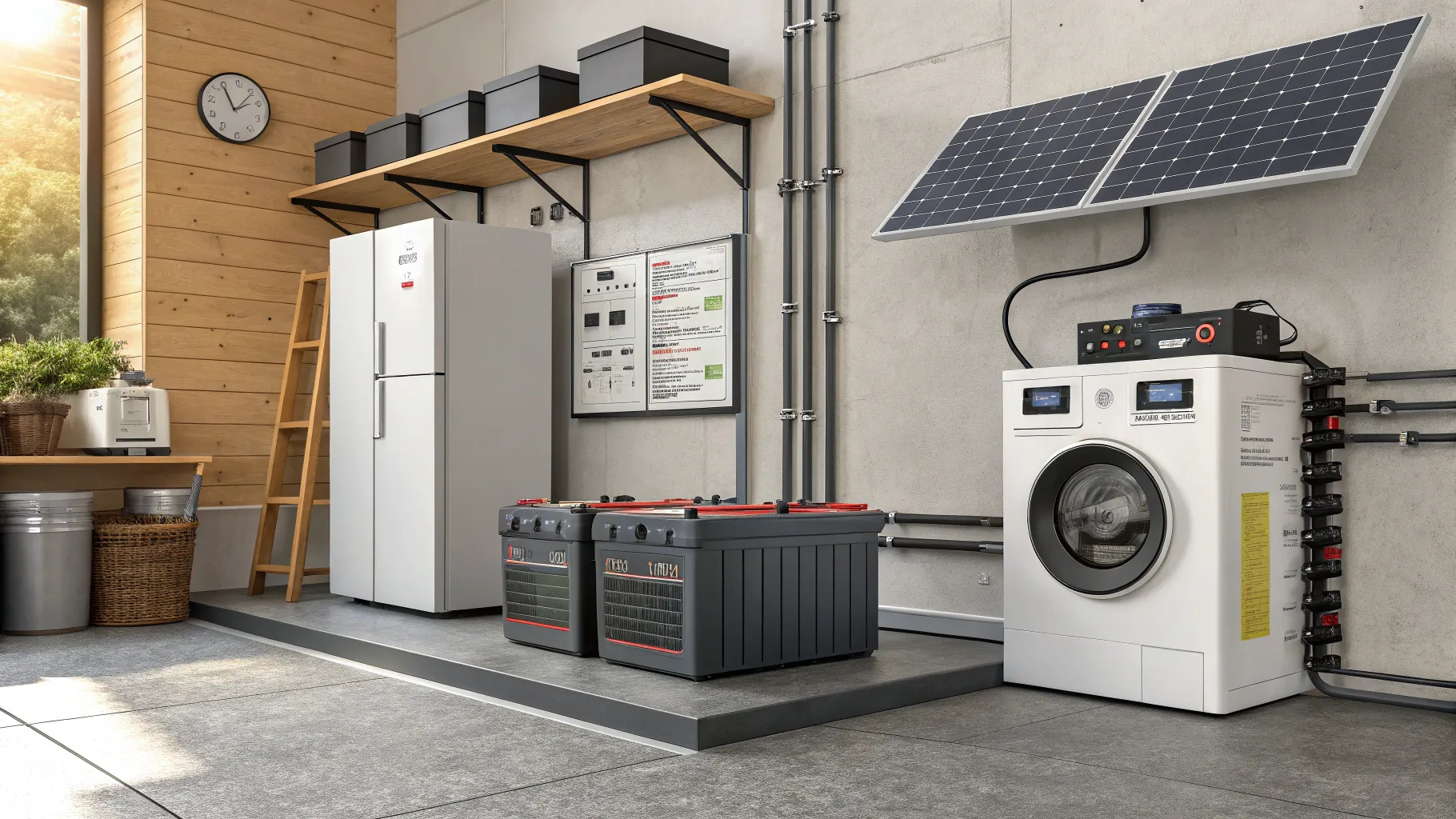
Types of Inverter Batteries for Home Use
When choosing an inverter battery, the type you select plays a significant role in performance and longevity. Here are the most prominent types currently available:
- Lead Acid Batteries: A longstanding favorite, these batteries are celebrated for their affordability. They are available in two main forms: flooded lead acid and sealed lead acid (SLA). Flooded batteries require maintenance, while SLAs are more user-friendly.
- Gel Batteries: These work similarly to lead acids but utilize a gel electrolyte. This design enhances thermal resistance and offers a longer lifespan, making them a great option if you can accommodate the higher price tag.
- Lithium-ion Batteries: Rapidly gaining traction in households, lithium-ion batteries are favored for their higher efficiency, reduced weight, and extended lifecycle. Though more costly upfront, they save money over time, reflecting a significant trend in energy savings.
- Tube Well Batteries: Tailored for demanding energy applications, these lead-acid batteries can handle larger appliances and are commonly used in systems requiring heavy power loads.
Choosing the right battery type hinges on your expected usage and budget. A thoughtful comparison of these battery types ensures you're aligning your purchase with your household's unique requirements.
Factors to Consider When Choosing an Inverter Battery
Finding the perfect inverter battery requires balancing several critical factors:
- Understanding Power Requirements: Start by identifying the devices you need to power during an outage. Utilizing an inverter battery capacity calculator can effectively guide you. Measure each appliance's wattage and the duration for which you'll need power.
- Assessing Battery Capacity: Capacity is often measured in Ah (ampere-hour), indicating how much power the battery can provide over time. The more Ah, the longer your appliances can run. It's vital to choose a battery that meets or exceeds your total needs.
- Selecting Battery Type: As previously mentioned, each battery type has unique pros and cons. Consider your long-term needs; investing in lithium-ion may result in greater benefits in operational efficiency.
- Evaluating Brand Reliability: Stick to reputable brands known for quality and reliability. Reviews and consumer feedback can offer valuable insights into longevity and performance.
- Doing Price Comparisons: Prices can vary dramatically across retailers and brands. Research thoroughly to ensure you’re not overspending for the quality you receive. Often, a slightly higher investment upfront can lead to significant savings over time.
Data from early 2025 reveals that households using lithium-ion batteries report energy savings of up to 30% compared to traditional lead-acid models. This statistic highlights the long-term value of choosing the right battery.
Avoiding Common Pitfalls When Selecting Your Inverter Battery
Despite having good intentions, many buyers fall victim to common mistakes that can impact their experience. Understanding these errors is the first step in making a sound purchase:
- Underestimating Power Needs: An all-too-common error is miscalculating your actual power demands. Not factoring in all your essential devices can lead to acquiring an insufficient battery.
- Neglecting Maintenance Requirements: Some battery types, particularly lead-acid, require regular maintenance. Failing to recognize the upkeep involved can lead to poor performance.
- Overlooking Warranty Length: Always investigate warranty options. Typically, lead-acid batteries come with one to five years of warranty, but lithium-ion models frequently offer more extended coverage, revealing the manufacturer’s confidence.
- Choosing Based Solely on Price: While staying within budget is key, buying the cheapest option often leads to increased expenses later due to poor performance or frequent replacements.
By learning from the missteps of others, you’re in a better position to make a purchase that will meet your home's needs effectively.
Understanding Lifespan and Warranty of Inverter Batteries
The lifespan of your inverter battery and its warranty coverage are crucial deciding factors. As a general guide, lead-acid batteries last around 3-5 years, while lithium-ion batteries can last 10-15 years. Knowing this can guide you toward the best investment for your situation.
Interestingly, a recent survey conducted in March 2025 showcased that consumers choosing lithium-ion batteries consistently report over 85% satisfaction due to their longevity and reduced frequency of replacements. Hence, not only does a lithium-ion battery provide peace of mind but also reduces the hassle of dealing with battery issues frequently.
When selecting your inverter battery, prioritize durability and performance to enhance your home's energy reliability. Making the right choice is vital in ensuring your household stays powered during unpredictable outages, keeping comfort and convenience within reach. With the right battery in place, you can face power challenges with confidence, allowing you to focus on what truly matters – enjoying life at home.
Authored by FreshLifeWire team