Bulldozer vs Excavator Best Use in Combat Zones
Bullodzer vs Excavator in Combat Zones
When it comes to military operations, particularly in combat zones, the choice between a bulldozer and an excavator can significantly impact the effectiveness of construction and demolition activities. Both machines have unique strengths and applications that make them indispensable in certain situations. This article delves into the uses of bulldozers and excavators in military operations, examining their durability, costs, and historical usage to clarify which machine reigns supreme in the chaotic environments of war.
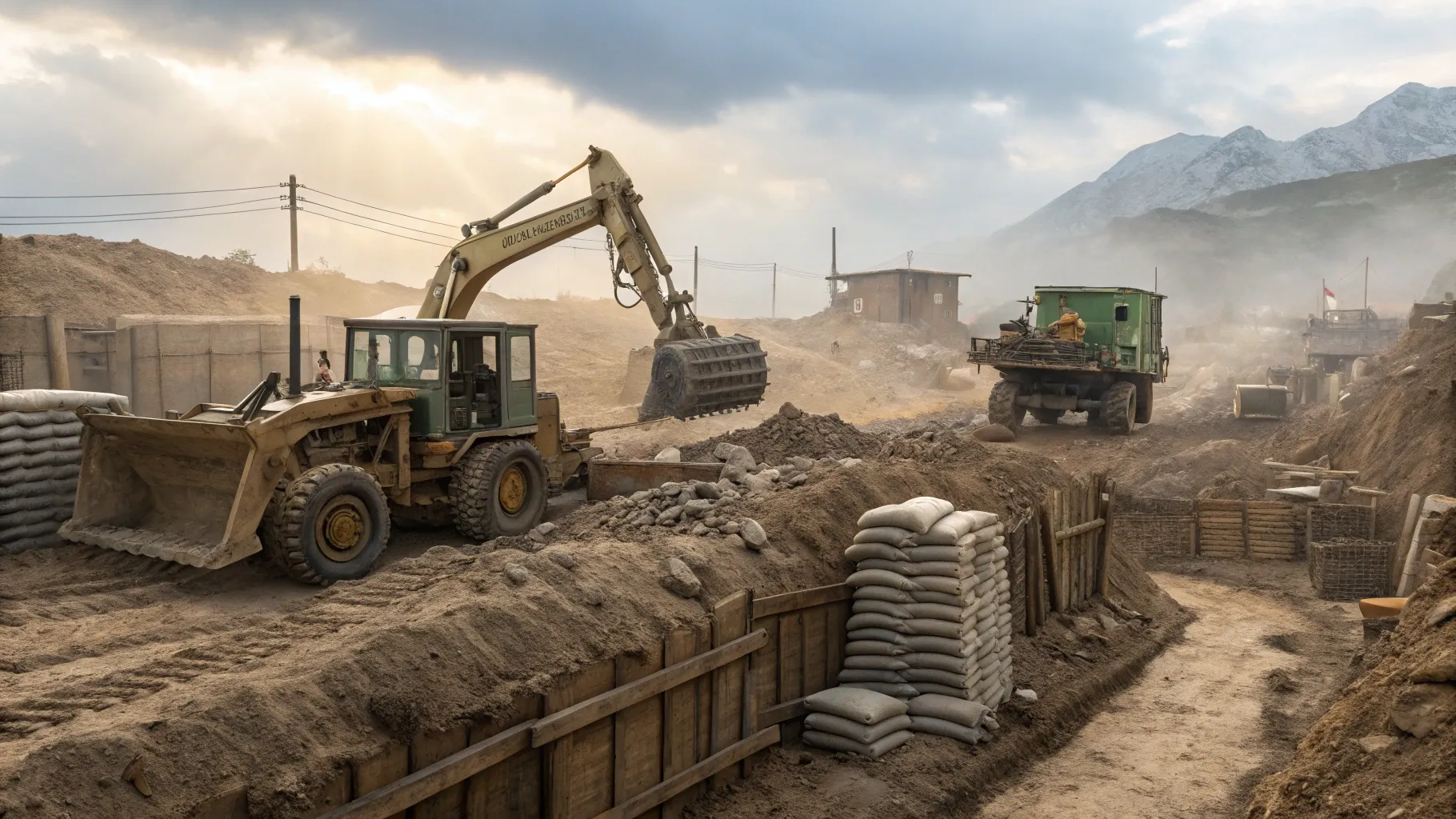
Uses of Bulldozers in Military Operations
Bullodzers are heavily relied upon in military operations for several key reasons. Their primary role is to clear land, create pathways, and perform heavy lifting in adverse conditions. In combat zones, they serve various crucial functions, including:
- Land Clearance: Bulldozers efficiently clear debris to make way for troop movements and vehicle operations, ensuring that lines of supply remain open.
- Creating Defensive Positions: These machines can quickly grade and level land to create foxholes, bunkers, and defensive positions for troops.
- Obstacle Removal: When faced with damaged infrastructure, bulldozers can swiftly remove barriers and obstacles created by enemy forces.
- Construction of Roads: They are vital in constructing temporary roads for logistics and troop movements, vital during active combat.
A notable example occurred during Operation Iraqi Freedom, where bulldozers were instrumental in fortifying positions and clearing routes in urban warfare settings. Their ability to withstand intense fire and perform under pressure has made them a preferred choice in many scenarios.
Uses of Excavators in Military Operations
While bulldozers take the lead in large-scale land modification, excavators also hold an important role in military operations. Their precise capabilities cater to different scenarios, such as:
- Excavation: Excavators are designed for digging and can create trenches or foundations for various structural needs.
- Demolition: With attachments like hydraulic breakers, excavators efficiently demolish existing structures, making them critical in combat to clear enemy installations.
- Material Handling: Excavators are excellent for moving and placing heavy materials, essential for quick repairs and constructions in unstable environments.
- Utility Work: They can dig up utility lines or maintain infrastructure, ensuring vital services remain operational.
In recent military exercises, excavators have been tested for their versatility, showcasing the ability to adapt to various combat situations, from rapid repair works to assisting in the construction of forward operating bases.
Durability: Bulldozer vs Excavator in Combat
Durability is a critical factor when comparing bulldozers and excavators in combat zones. Both machines are engineered to endure harsh conditions, but they excel in different environments. Bulldozers, often heavier, have a robust build that allows them to endure high-impact operations, making them ideal for frontline use.
Conversely, excavators, while durable, are not as heavily armored as bulldozers. However, they are designed for precision work, which is equally vital in combat operations. They can react faster and provide agility in tight spaces, which can be crucial where mobility is a concern. Recent assessments of equipment usage in Ukraine have highlighted the use of both types, revealing that bulldozers tend to take on frontline roles while excavators are often tasked with restoration and repair work in less exposed environments.
Cost Comparison: Bulldozer vs Excavator Military
When budgeting for military construction equipment, the costs associated with bulldozers and excavators can play a significant role in acquisition decisions. On average, military surplus bulldozers range in price from $30,000 to $80,000 depending on size and specifications, while excavators can be slightly less expensive, falling into the $25,000 to $70,000 range for similar models.
Organizations overseeing military operations often consider total cost of ownership, which includes maintenance, fuel consumption, and parts availability. Bulldozers tend to have higher operating costs due to their size and the fuel they consume under heavy workloads. On the other hand, excavators, especially those outfitted with multiple attachments, can offer flexibility and varied capabilities that can reduce the need for multiple pieces of equipment.
History of Bulldozers and Excavators in Wars
The roles of bulldozers and excavators in military operations are well-documented throughout history. During World War II, bulldozers were first adapted for military use, playing a crucial part in the D-Day landings by helping to clear debris to establish beachheads.
Excavators, after their introduction in the early 20th century, were initially used for excavation purposes in civilian construction but quickly found their place in military engagements well suited for rapid battlefield conditions.
In the decade leading up to 2025, advances in technology have transformed both bulldozers and excavators, incorporating enhanced mobility and active protection systems specifically designed for combat scenarios. Recent conflicts highlight how both machines have evolved, adapting to demands of warfare while continuously improving their operational capabilities.
Inspection Checklist for Combat Bulldozers and Excavators
Keeping military machinery operational is paramount in combat scenarios. An inspection checklist for combat bulldozers and excavators typically includes the following components:
- Check the hydraulic systems for leaks and functionality
- Inspect track or wheel conditions and tension
- Verify engine and fluid levels
- Assess operational controls for proper function
- Examine blade and bucket attachments for wear or damage
- Conduct safety checks on all warning systems
- Review all electrical components for reliability
This rigorous approach ensures that both types of equipment remain combat-ready, allowing military operations to proceed without unnecessary delays or complications.
In summary, the debate of bulldozer vs excavator in combat zones ultimately depends on the specific needs of a military operation. Bulldozers excel in heavy-duty clearing and construction roles, while excavators offer versatile functionalities ideal for precise tasks. Understanding these differences plays a critical role in effective military strategy and equipment deployment.
Authored by FreshLifeWire team