Bulldozer vs Excavator Key Differences and Uses Explained
Bulldozer vs Excavator Differences
When selecting earth-moving machinery, understanding the bulldozer vs excavator differences is vital for any construction project. Both machines serve crucial roles in building and land preparation, yet they operate differently and have unique advantages and limitations.
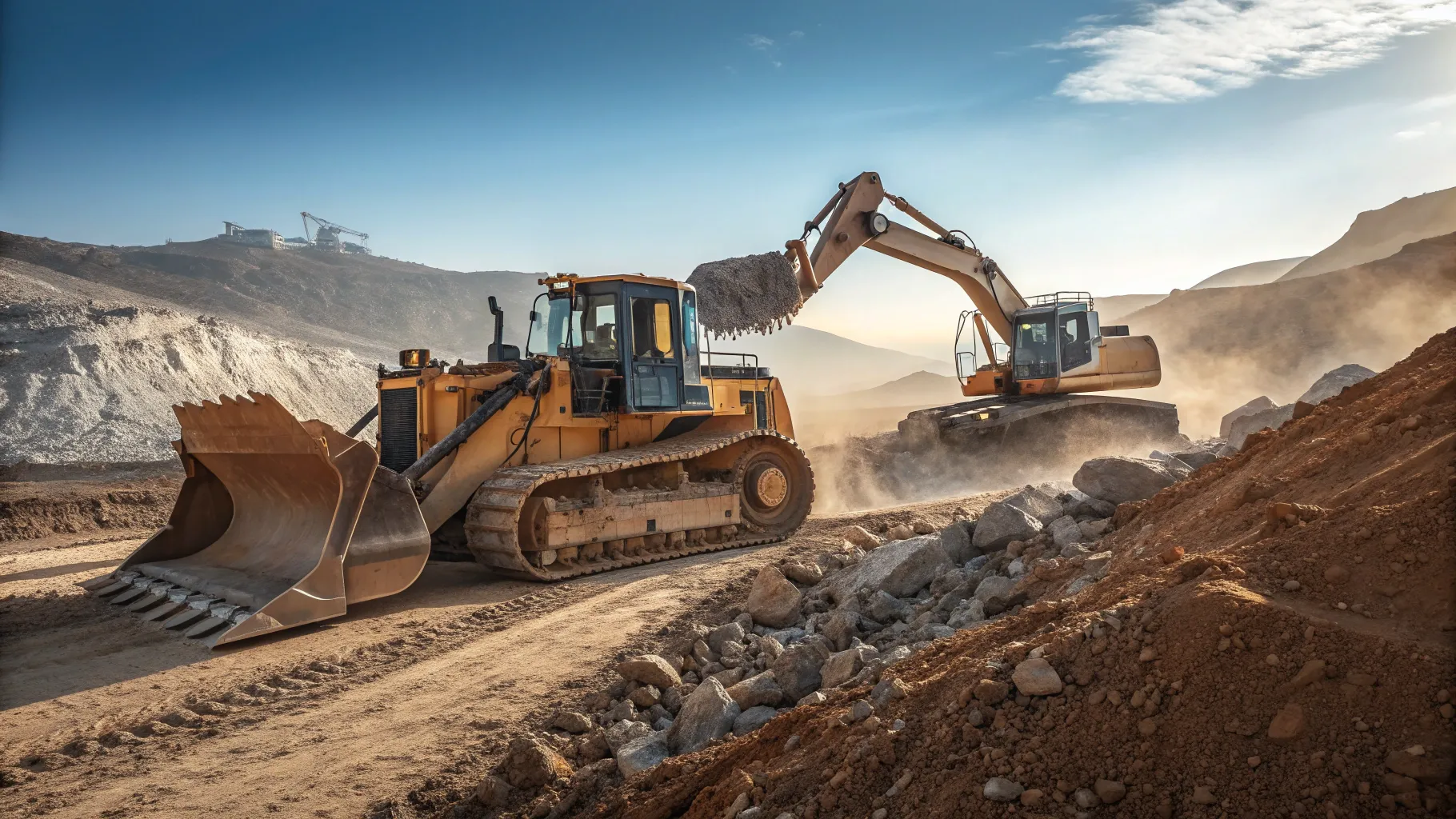
A bulldozer is primarily used for pushing large volumes of soil, gravel, and debris. It features a broad, flat blade at the front that can be raised or lowered and tilted to achieve various angles. This capability allows bulldozers to move material quickly across a site, making them ideal for leveling surfaces and clearing land. In contrast, an excavator has an arm with a bucket that can dig, lift, and rotate, allowing for precision work in digging trenches, holes, or foundations. Its versatility makes it a favorite for tasks requiring more finesse.
Uses in Construction: Bulldozer vs Excavator
When considering bulldozer vs excavator uses in construction, it’s essential to note what each machine does best. Bulldozers excel in large-scale grading projects. They can grade roads, clear land for new buildings, and push heavy materials, making them invaluable for site preparation.
Excavators, on the other hand, shine in more specialized roles. For instance, they can dig foundations or trenches and perform demolition tasks with specific attachments, like hydraulic breakers. Their ability to work in tight spaces, coupled with their extendable arms, means they're better suited for intricate tasks like landscaping, utility installation, and recycling.
- Bulldozer Uses:
- Land clearing for construction projects
- Road and path grading
- Moving heavy materials
- Excavator Uses:
- Digging foundations and trenches
- Demolition and material handling
- Landscaping and utility work
The Costs of Bulldozers vs Excavators
When deciding between a bulldozer and an excavator, one can't overlook the costs of bulldozer vs excavator. Prices vary widely based on brand, model, and specifications. As of early 2025, purchasing a new bulldozer can range from $30,000 to over $200,000, depending on its size and capabilities. Compact models for smaller tasks are generally more affordable, while larger, more powerful models designed for extensive work can be on the higher end of the spectrum.
Excavators tend to be similarly priced, with new models ranging from $25,000 to more than $250,000. Importantly, additional costs may arise depending on attachments and features. For example, a grappling attachment for moving materials with an excavator could add an extra $5,000 to $15,000 to your expenditure. Rental costs should also be factored in; while relying on a rental for a bulldozer or excavator might be cheaper for one-off projects, frequent use may warrant a purchase.
Durability and Efficiency: Bulldozer vs Excavator
The durability of bulldozers vs excavators is another point of comparison worth discussing. Bulldozers are designed for rigorous operations; their heavy frames and robust blades are made to withstand harsh conditions and continuous heavy use. As a result, they often have longer lifespans in challenging environments where resistance to wear and tear is crucial.
Excavators, while durable, may require more maintenance due to their complex hydraulic systems and mechanical parts. Proper upkeep is essential to ensure optimal performance. Additionally, efficiency varies greatly between the two. Bulldozers can move materials faster due to their large blades, making them more efficient for projects that need heavy, repetitive material movement. Excavators focus more on accuracy and precision, making them less efficient for mere bulk moving but invaluable for detailed tasks.
Pros and Cons: Bulldozer vs Excavator
- Bulldozer Pros:
- High efficiency in land clearing and grading
- Heavy-duty construction allows for durability
- Cost-effective for large projects due to speed
- Bulldozer Cons:
- Limited precision work capability
- Less versatile compared to excavators
- Excavator Pros:
- Versatile with numerous attachments
- Great for detailed and precision tasks
- Ability to work in confined areas
- Excavator Cons:
- Slower for large material movements
- Potentially higher maintenance and operating costs
Maintenance of Bulldozers and Excavators
Understanding the maintenance of bulldozers and excavators is crucial for maximizing the lifespan of these machines. Routine maintenance, such as checking fluid levels, changing oil, and examining hydraulic systems, is essential for both machines. A well-maintained bulldozer can last up to 10,000 hours of operation, while an excavator can achieve around 8,000 to 12,000 hours with proper care.
It’s important to note that maintenance schedules may vary by manufacturer, and adhering to the prescribed service intervals can help prevent costly repairs in the long run. Whether you opt for a bulldozer or an excavator, keeping up with maintenance will enhance its efficiency and durability, ultimately benefiting your project.
Choosing Between a Bulldozer and an Excavator
If you find yourself contemplating choosing between a bulldozer or excavator, consider the specific needs of your project. Do you need to move large amounts of soil quickly or perform intricate tasks with precision? Understanding the job scope, terrain, and cargo type can help inform your decision. For bulk earth moving, a bulldozer is generally the better choice. For projects requiring digging and precision, an excavator will likely serve you better.
Additionally, analyzing your budget, considering rental versus purchase options, and factoring in the availability of these machines on your job site are all integral to making the right choice. Both machines are invaluable in construction, and understanding their differences will ensure that you select the right equipment for optimal efficiency in your projects.
Authored by FreshLifeWire team