Breathing Exercises for Pulmonary Hypertension Relief
Breathing Exercises for Pulmonary Hypertension Supporting Symptom Relief
Pulmonary hypertension is a serious condition that leads to increased blood pressure in the arteries of the lungs, impacting overall health and quality of life. With the current understanding in 2025, it's increasingly recognized that breathing exercises can be instrumental for symptom relief. These exercises are not only therapeutic but also empower patients to manage their condition more effectively. Integrating breathing techniques into daily routines can provide significant benefits, such as improved lung function and reduced feelings of anxiety, which are often exacerbated by the condition.
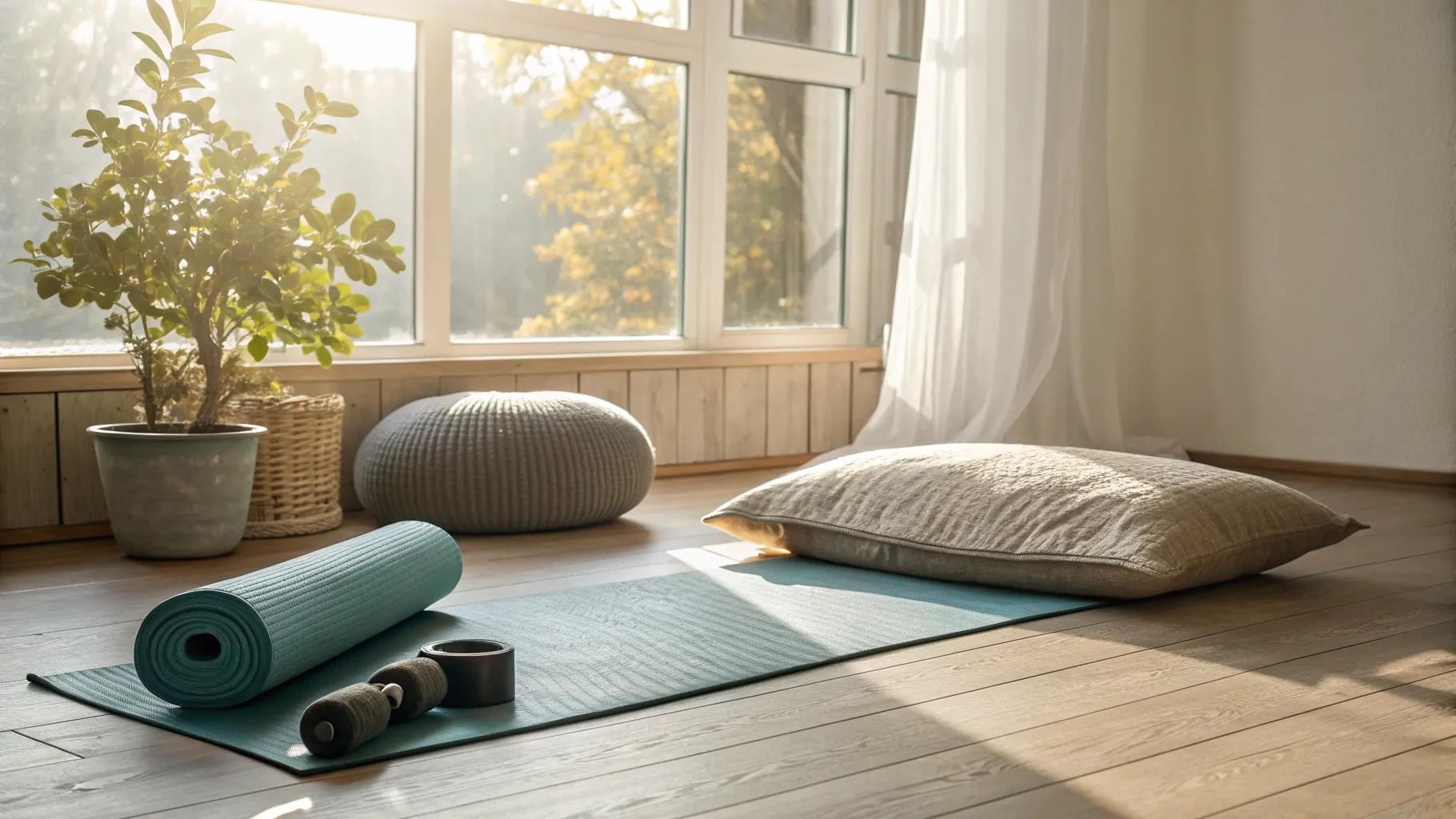
Key Breathing Techniques for Managing Pulmonary Hypertension
Breathing exercises target various aspects of respiratory health. For those suffering from pulmonary hypertension, incorporating these techniques can lead to better oxygenation, increased lung capacity, and improved emotional well-being. Below, we delve deeper into three highly recommended breathing techniques:
Pursed Lip Breathing
Pursed lip breathing is one of the simplest yet most effective techniques for managing breathlessness in patients with pulmonary hypertension. By controlling the breathing rate, this technique facilitates easier airflow and prevents air from being trapped in the lungs.
- How to Practice: Begin by inhaling slowly through your nose for a count of two. Focus on expanding your abdomen rather than your chest. Then, pucker your lips as if you are about to whistle, and exhale gently through your lips for a count of four. Repeat this cycle several times, aiming to maintain a steady rhythm.
- Benefits: Pursed lip breathing can help patients feel less short of breath. It encourages prolonged exhalation, which allows stale air to exit the lungs, making room for fresh oxygen.
Diaphragmatic Breathing
Proper use of the diaphragm is essential for optimizing lung capacity and efficiency. Diaphragmatic breathing, or abdominal breathing, focuses on harnessing the diaphragm to enhance the depth of each breath.
- How to Practice: Find a comfortable position, whether sitting or lying down. Place one hand on your chest and the other on your abdomen. Inhale deeply through your nose, ensuring your abdomen rises while your chest remains still. Exhale through pursed lips, concentrating on the lowering of your abdomen. Aim to make your exhalations longer than your inhalations, as this promotes relaxation.
- Benefits: This technique improves lung function and can significantly reduce the sensation of breathlessness during everyday activities.
Relaxed Breathing
For many individuals, anxiety can worsen the symptoms of pulmonary hypertension. Relaxed breathing aims to counter this effect by fostering a sense of calm and mindfulness.
- How to Practice: Sit comfortably with an upright posture. Inhale deeply through your nose, focusing on the gentle expansion of your lungs. Hold your breath for a moment, then slowly exhale through your mouth. While exhaling, visualize releasing any tension or anxiety.
- Benefits: Relaxed breathing enhances oxygen flow while simultaneously lowering stress levels, which can be beneficial for overall health.
Combining Breathing Exercises with Yoga
Yoga has emerged as a popular practice for improving both physical and mental health, particularly for those living with chronic conditions like pulmonary hypertension. The combination of controlled breathing and gentle movements encourages relaxation, builds strength, and increases flexibility, helping patients manage their symptoms more effectively.
Yoga Poses Beneficial for Pulmonary Hypertension
Recent studies indicate that practicing yoga regularly can significantly enhance the quality of life for patients with pulmonary hypertension. Here are a couple of beneficial poses:
- Cat-Cow Stretch: This pose not only promotes flexibility in the spine but also helps synchronize movement with the breath, allowing for deeper inhalation and exhalation.
- Seated Forward Bend: This stretch increases lung capacity and facilitates prolonged exhalation, critical for individuals experiencing breathlessness.
Reports from patient studies show that those who incorporate yoga into their routine experience improvements in both physical function and emotional health.
Lung Capacity Training Techniques
For those with pulmonary hypertension, structured lung capacity training can facilitate better respiratory management. Simple COPD exercises can serve as an excellent starting point.
- How to Train: Participate in low-impact aerobic activities like walking or swimming. Gradually increase your activity levels while implementing your breathing exercises. This progressive approach helps build endurance without overwhelming the body.
- Benefits: Consistent training aids in enhancing stamina, optimizing oxygen uptake, and improving overall pulmonary function.
Controlled Coughing Techniques
Effective coughing techniques are vital for managing respiratory conditions. Controlled coughing can help clear secretions from the lungs, which is particularly important for individuals with pulmonary hypertension.
- How to Practice: Sit in an upright position. Take a deep breath in, then close your mouth gently while gripping your abdomen. Cough twice softly with your mouth closed, and follow this with a final, strong cough with your mouth open.
- Benefits: This method promotes airway clearance without causing excessive fatigue, making it easier to breathe.
Integrating Oxygen Therapy with Breathing Exercises
Oxygen therapy has become an integral part of managing pulmonary hypertension, especially for those experiencing significant oxygen deprivation. The synergy created by combining oxygen therapy with breathing exercises can greatly enhance patient outcomes.
- Integration: Use supplemental oxygen while performing your breathing exercises. This approach ensures that your body receives adequate oxygen during these vital practices, potentially reducing incidents of breathlessness.
- Benefits: By making use of both oxygen therapy and breathing techniques, patients often find it easier to manage their day-to-day activities, fostering a greater sense of independence.
As we continue to advance our understanding of pulmonary health, it is clear that breathing exercises remain a cornerstone for individuals with pulmonary hypertension. By incorporating these techniques into daily life, patients are better equipped to alleviate symptoms, enhance their lung function, and ultimately improve their quality of life.
Authored by FreshLifeWire team