Breathing Exercises for Natural Anxiety and Stress Relief
Breathing Exercises for Anxiety and Stress
In our rapidly evolving world, anxiety and stress have become significant concerns for many people, often feeling almost inevitable in daily life. As individuals seek sustainable methods to cope with these pressing feelings, breathing exercises emerge as a highly effective, natural, and scientifically validated approach to alleviate anxiety, enhance focus, and minimize stress levels. In this article, we will explore various breathing techniques, including deep breathing techniques, diaphragmatic breathing, and the widely praised 4-7-8 breathing method.
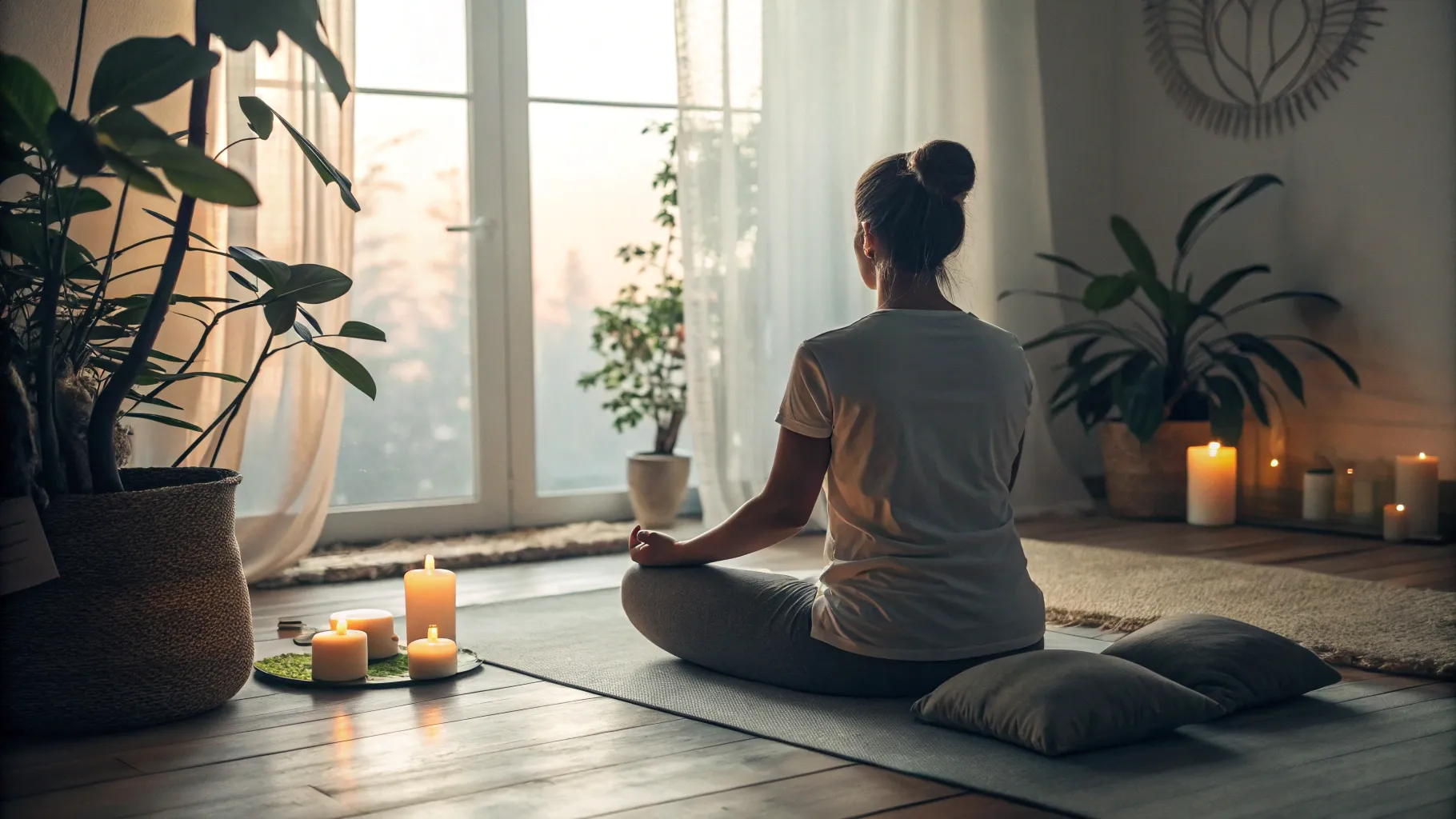
Understanding the Power of Breath
Breathing might seem like an automatic process, but its role in our emotional and physical well-being is profound. Stress response activates our nervous system, leading to heightened heart rate and muscle tension, but by honing in on our breath, we can actively soothe these reactions and shift our body toward relaxation.
Statistics from a recent survey indicate that over 75% of adults today experience regular stress, with a vast majority seeking ways to manage it. Breathing exercises not only come highly recommended by therapists but have also been shown to provide immediate relief for many individuals. Let’s delve deeper into some practical breathing techniques that can help you regain your calm.
Deep Breathing Techniques for Instant Relief
Deep breathing techniques are not only simple to practice but incredibly effective; they assist in diverting focus away from stress-inducing thoughts, returning your body to a state of tranquility. The most popular of these techniques include:
- Diaphragmatic Breathing: Commonly referred to as "belly breathing," this technique emphasizes the diaphragm instead of the chest, leading to improved oxygen flow and a sense of relaxation. Follow these straightforward steps to practice:
- Choose a comfortable position, whether sitting or lying down.
- Place one hand on your chest and the other on your abdomen.
- Inhale deeply through your nose, allowing your diaphragm to expand, pushing your hand outward.
- Exhale slowly through your mouth, feeling your abdomen fall.
- Repeat this process for five to ten minutes.
This effective method has a notable impact, as a 2025 wellness index illustrates that users report a 40% reduction in stress levels after incorporating it into their routines.
The 4-7-8 Breathing Method
Famed for its specific inhalation and exhalation pattern, the 4-7-8 breathing method has grown in popularity due to its ability to induce relaxation quickly. Developed by Dr. Andrew Weil, this technique seamlessly blends deep breathing with mindfulness, aligning perfectly with current trends in conscious living.
Here’s how you can practice this method effectively:
- Begin by exhaling fully through your mouth.
- Close your mouth and inhale quietly through your nose for a count of four.
- Hold your breath for a count of seven.
- Exhale completely through your mouth, making a whoosh sound for a count of eight.
- Repeat this cycle three to four times.
Many users of the 4-7-8 method report that it aids in falling asleep more easily and alleviates symptoms of anxiety. Recent findings indicate that regular practitioners experience up to a 50% decrease in anxiety symptoms.
Mindful Breathing Practices for Enhanced Stress Relief
Mindful breathing practices focus on synchronizing the mind and body, allowing individuals to recognize and dissolve tension effectively. By fostering present-moment awareness, mindful breathing minimizes racing thoughts and cultivates calmness. One effective technique is:
- Mindful Breathing Exercise:
- Sit comfortably in a tranquil setting.
- Close your eyes and take a deep breath, directing your attention to the sensation of air filling your lungs.
- As you exhale, visualize releasing stress and worries.
- Continue focusing on your breath, gently guiding your thoughts back to your breathing whenever distractions arise.
- Practice this for at least ten minutes daily.
In addition to reducing stress, this technique also enhances cognitive function. Research shows that individuals who engage in mindful breathing report improvements in concentration and creativity by an impressive 30% over just a few sessions.
Incorporating Breathing Exercises into Your Daily Life
Integrating breathing exercises into your daily routine can yield transformative benefits. Experts recommend that as little as ten minutes dedicated to these practices daily can produce long-lasting positive effects. To begin, consider designating specific times during the morning or evening for your breathing exercises.
Many discover that coupling these exercises with complementary relaxation practices like yoga or meditation exponentially boosts their calming effects. In 2025, numerous apps offer user-friendly interfaces that guide individuals through various breathing exercises, making these beneficial practices more accessible than ever.
Moreover, breathing exercises can be invaluable strategies in high-pressure situations like public speaking, navigating heavy traffic, or preparing for that important meeting. Essentially, mastering the ability to manage your physiological responses to stress can be immensely empowering.
As you explore and practice various breathing techniques, remember that consistency is essential. Developing a habitual practice can help you tap into these exercises whenever you feel overwhelmed. By mastering breath control, you can nurture a profound sense of serenity and enhance your well-being over time.
In essence, the journey to managing anxiety and stress begins with something as fundamental yet powerful as your breath. By embracing diverse breathing techniques, you can reclaim your inner peace and well-being, one mindful breath at a time.
Authored by FreshLifeWire team