Breast Implants After Cancer Options and Risks Explained
Understanding Breast Implants After Cancer
A breast cancer diagnosis can turn a woman's life upside down, bringing forth a myriad of emotions, difficult choices, and the need to adapt to a new reality. Among the significant decisions women face after treatment is the possibility of breast reconstruction, which often includes the option of breast implants. In 2025, the discussion surrounding breast implants after cancer has evolved, increasingly centering on empowerment, individuality, and access to detailed, compassionate care.
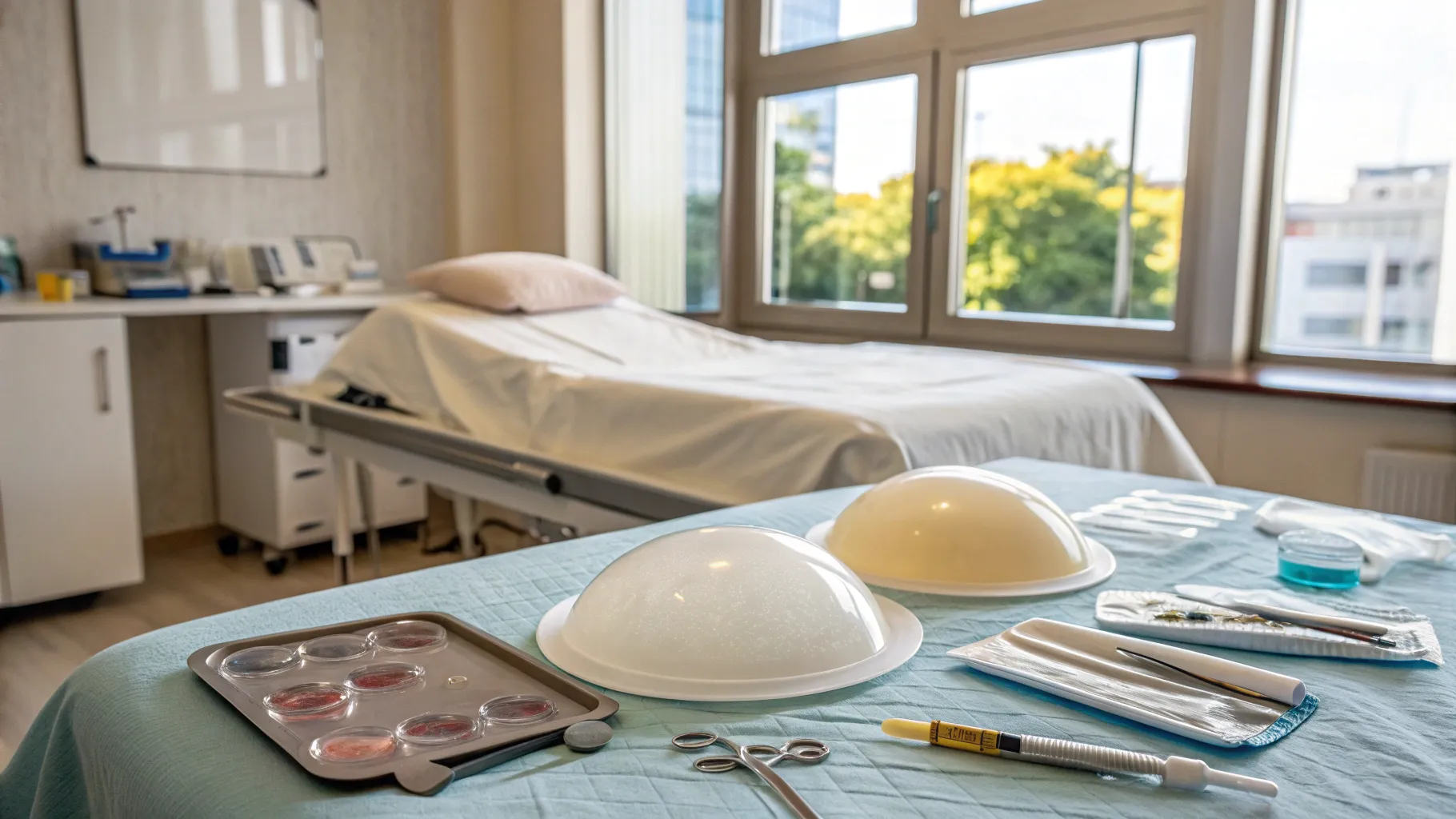
Breast Reconstruction Options
Women today have more choices than ever before when it comes to breast reconstruction following a mastectomy. Each option is designed to fit personal preferences, physical health, and individual circumstances. Below is a rundown of the various pathways women can explore:
- Implant Reconstruction: This is one of the most popular routes. Surgeons implant prostheses under the skin or muscle after a mastectomy, often chosen for its relatively shorter recovery time. The aesthetic results can be pleasing, and many women appreciate the direct path to restoration.
- Tissue Flap Reconstruction: This method uses tissue harvested from other areas of the body, such as the abdomen or back, to create a breast. While it can provide a natural look and feel, this approach typically requires a longer surgery and extended recovery period. Many women appreciate the solidity that comes from their own tissue.
- Combination Approaches: Some women opt for hybrid techniques that blend implants with flap reconstruction to enhance outcomes. This method caters to those looking for a balanced approach, leveraging the benefits of both methods.
The decision of which option to pursue is influenced by several crucial factors, including overall health, treatment history, and recovery goals. Speaking with a plastic surgeon specializing in breast reconstruction can help clarify the best path forward.
Recent Trends in Breast Reconstruction
Statistics from recent studies indicate an ongoing positive trend toward breast reconstruction. A survey conducted in early 2025 revealed that over 70% of breast cancer survivors reported satisfaction with their reconstruction outcomes. Many of these women highlighted not just aesthetic improvements but also significant psychological benefits. To support these patients, numerous clinics now offer in-depth post-surgical support, which includes counseling and peer support groups. This holistic approach highlights the understanding that emotional health is as important as physical results in the recovery journey.
Recovery After Breast Implants
After deciding to undergo breast implant surgery, many women seek clarity on what to expect during the recovery phase. Patients typically need a few weeks of recovery time, with their initial days often marked by discomfort, swelling, and bruising. This is entirely normal as the body begins healing. Understanding the recovery process is essential to mitigate anxiety. Here are key aspects:
- Post-operative Care: Surgeons provide detailed care instructions to manage surgical sites, pain, and symptoms to watch for as signs of infection.
- Physical Limitations: In the weeks following surgery, activities will be restricted. Light action is usually encouraged initially, but patients should avoid heavy lifting and rigorous exercise until cleared by their doctors.
- Follow-Up Appointments: Regular post-surgical check-ups are crucial to healing accurately. Surgeons will monitor recovery progress and assess how well the body adapts to the implants.
Emotional support also plays a vital role during recovery. Engaging with support groups or trusted loved ones can contribute to a positive, encouraging healing experience. With time, most women gradually return to their pre-surgery routines, often feeling renewed and relieved.
Choosing the Right Clinic for Breast Reconstruction
Selecting a suitable clinic for breast reconstruction is critical for achieving the desired results. In 2025, a variety of specialized clinics are available, which offer a comprehensive, multidisciplinary approach that integrates plastic surgeons, oncologists, and mental health professionals. When searching for the right facility, consider the following tips:
- Research Credentials: It’s vital to select board-certified plastic surgeons who have significant experience specifically in breast reconstruction procedures.
- Read Reviews: Seeking out patient testimonials can provide insight into the quality of care institutions offer, as well as outcomes of previous patients.
- Consider Support Services: Clinics that incorporate broader support systems, such as nutrition counseling and emotional well-being services, can help create a more integrated healing journey.
With enriched access to resources and sophisticated treatment plans, women find themselves empowered to make the best decisions that suit their personal journeys.
Breast Implant Risks After Cancer
Although breast implants can significantly improve post-mastectomy recovery, understanding the potential risks is crucial. Below are some key risks to discuss with your healthcare providers:
- Possible Complications: Like all surgical endeavors, risks exist, including infection, hematoma, and poor healing post-surgery.
- Implant Rupture: Over the years, breast implants can rupture, necessitating their replacement. Regular follow-ups are recommended to monitor the implants effectively.
- Allergic Reactions: Some patients may experience allergic reactions to materials used in implants. This necessitates thorough pre-surgical discussions to cover personal medical histories thoroughly.
Staying informed about these potential risks can help alleviate fears and prepare individuals for any challenges they might face. Open and honest discussions with healthcare teams about medical histories are fundamental, as pre-existing conditions may influence risk levels.
The journey through breast cancer and the decisions surrounding reconstruction are inherently personal and often challenging. However, with abundant resources, evolving healthcare practices, and a supportive community, women are now better equipped to navigate these choices. The advances in breast reconstruction today underscore a commitment to tailored care and recovery, reflecting the unique experiences and needs of every woman.
Authored by FreshLifeWire team