Boost Your Memory with Key Vitamins for Brain Health
Discover the Vitamins that Improve Memory
As our lives grow increasingly hectic, maintaining sharp cognitive function becomes essential. A lot of people look for ways to enhance their memory, and one effective approach is through the right vitamins. In this guide, you'll explore various vitamins that improve memory, how they function, and how to incorporate them into your daily routine.
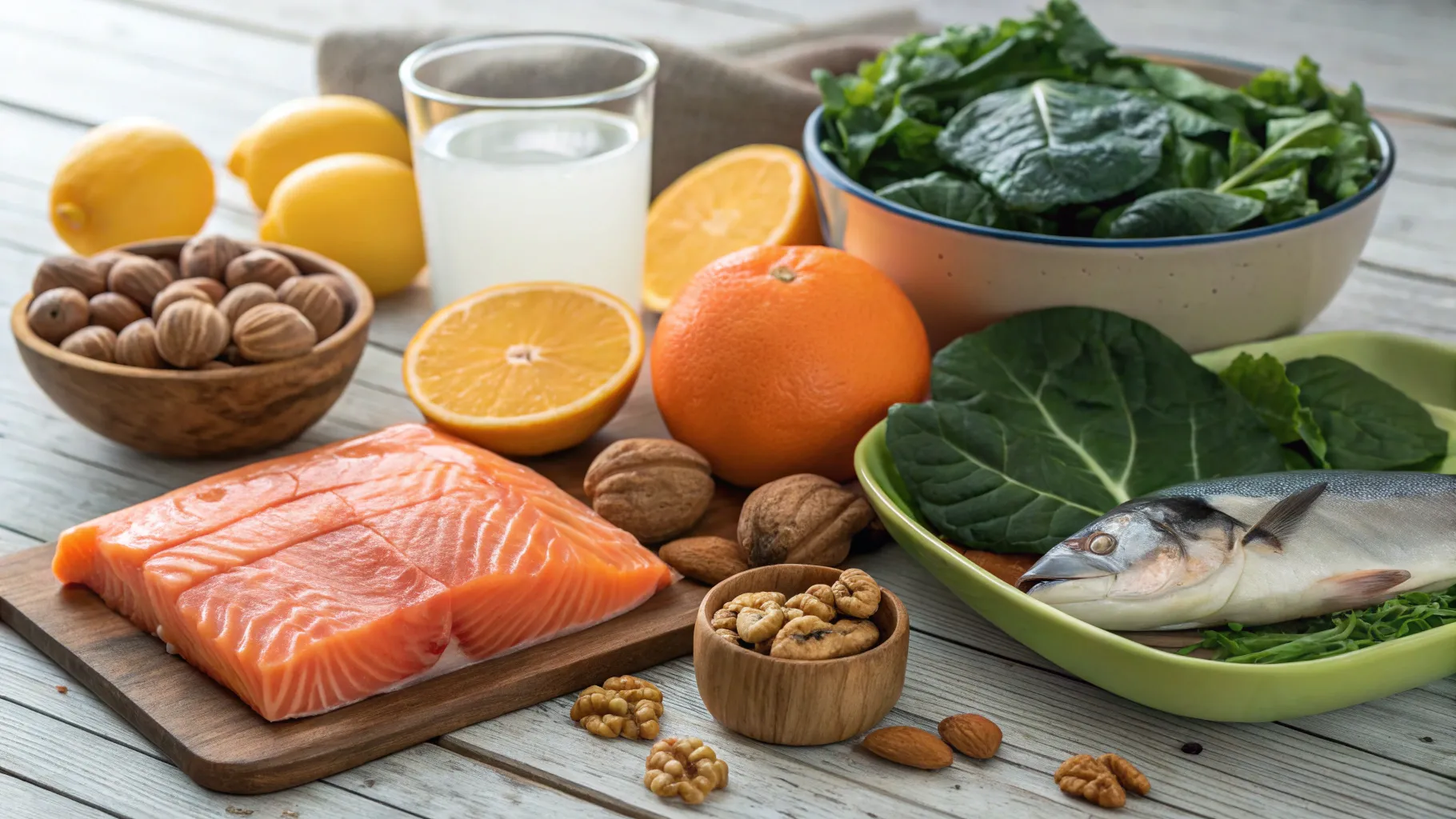
Key Vitamins for Boosting Memory
Research continues to uncover the vital role that certain vitamins play in cognitive health. Here are some of the most effective vitamins to incorporate into your diet if you aim to improve your memory.
1. Vitamin B12Vitamin B12 is crucial for maintaining healthy nerve cells and the production of DNA and RNA. Many recent studies have established its direct correlation with memory enhancement. According to a study published in a 2025 edition of The Journal of Alzheimer's Disease, individuals with higher levels of B12 showed a significant reduction in memory-related decline.
- Sources: Meat, fish, eggs, fortified cereals, and dairy products.
- Recommended amount: Adults generally require about 2.4 micrograms per day.
Recently, researchers have found that Vitamin D not only supports immune function but is also linked to cognitive health. A study conducted by the University of California found that individuals with low Vitamin D levels exhibited a marked decline in cognitive abilities, including memory. The brain has Vitamin D receptors, which suggests it plays a significant role in brain function.
- Sources: Sunlight, fatty fish, fortified dairy products, and fortified cereals.
- Recommended amount: Adults should aim for at least 600 IU (15 micrograms) per day.
While not a vitamin in the traditional sense, Omega-3 fatty acids are essential for brain health. These fatty acids, especially DHA (docosahexaenoic acid), are integral to maintaining memory function. In a comparative study conducted in mid-2025, participants who regularly consumed omega-3-rich foods showed a 20% improvement in memory tests compared to those with lower intake.
- Sources: Fish (like salmon and sardines), walnuts, flaxseeds, and chia seeds.
- Recommended amount: Approximately 250-500 mg of combined EPA and DHA per day.
Vitamin E acts as an antioxidant and is essential in preventing oxidative stress, which can damage brain cells. A recent study published in Neurology highlighted how higher levels of Vitamin E in the diet are associated with improved memory function and slower cognitive decline.
- Sources: Nuts, seeds, spinach, and broccoli.
- Recommended amount: About 15 milligrams per day for adults.
This powerhouse vitamin is notorious for its immune-boosting properties but is also vital for brain health. Vitamin C protects against cognitive decline and enhances the synthesis of neurotransmitters. A groundbreaking study released in early 2025 demonstrated that individuals who consumed adequate Vitamin C had significantly improved cognitive performance.
- Sources: Citrus fruits, strawberries, bell peppers, and kiwi.
- Recommended amount: 75 mg for women and 90 mg for men per day.
Incorporating Memory-Boosting Vitamins into Your Diet
To effectively enhance memory through vitamins, focus on consuming a balanced diet filled with the nutrients mentioned above. Here are some practical tips:
- Embrace Whole Foods: Prioritize whole, unprocessed foods. Fresh fruits, vegetables, lean meats, and whole grains lay a solid foundation for cognitive health.
- Stay Hydrated: Water plays a crucial role in maintaining brain function. Ensure you’re consuming enough fluids daily.
- Consider Supplements: If you find it challenging to get enough of these vitamins through food, consider taking high-quality supplements. However, consult with a healthcare provider before starting any new regimen.
- Mind Your Meals: Plan your meals around nutritious foods that are rich in these vitamins. A well-thought-out meal plan not only benefits your memory but also bolsters overall health.
While vitamins play an essential role, memory improvement goes beyond diet. Engaging in regular physical activity, maintaining social connections, and practicing stress management techniques significantly affect cognitive health. Activities like yoga or meditation help reduce stress, which is known to impair memory.
Moreover, cognitive exercises like puzzles or learning new skills enhance neural pathways, further solidifying memory retention. Combine these lifestyle factors with a vitamin-optimized diet for the best results.
Real-World Impact of Memory Enhancement
Understanding the influence of vitamins on memory is becoming increasingly important as our population ages. As highlighted in a recent study by the Global Council on Brain Health, maintaining optimal cognitive function is essential for quality of life in older adults. Through the right mix of lifestyle choices and dietary intake, many individuals have experienced substantial improvements in their memory retention and overall cognitive ability, leading to a more fulfilling life.
In summary, investing in vitamins that improve memory is a crucial step towards enhancing cognitive function. With evidence supporting their effects, enriching your diet with these vitamins can lead to significant long-term benefits. Focus on incorporating Vitamin B12, D, E, C, and Omega-3 fatty acids into your daily routine, and you'll be well on your way to enjoying a sharper mind for years to come.
Authored by FreshLifeWire team