Bioresorbable Stents and the Future of Heart Disease Treatme
Bioresorbable Stents Revolutionizing Heart Disease Treatment
In 2025, cardiology is undergoing a remarkable transformation with the rise of bioresorbable stents. These devices present a groundbreaking alternative to traditional metal stents, which have long been the standard for treating heart disease. What sets bioresorbable stents apart is their ability to dissolve over time, allowing arteries to heal naturally post-procedure. This aligns perfectly with current healthcare trends that emphasize holistic and patient-centered solutions, making them an appealing choice for many individuals.
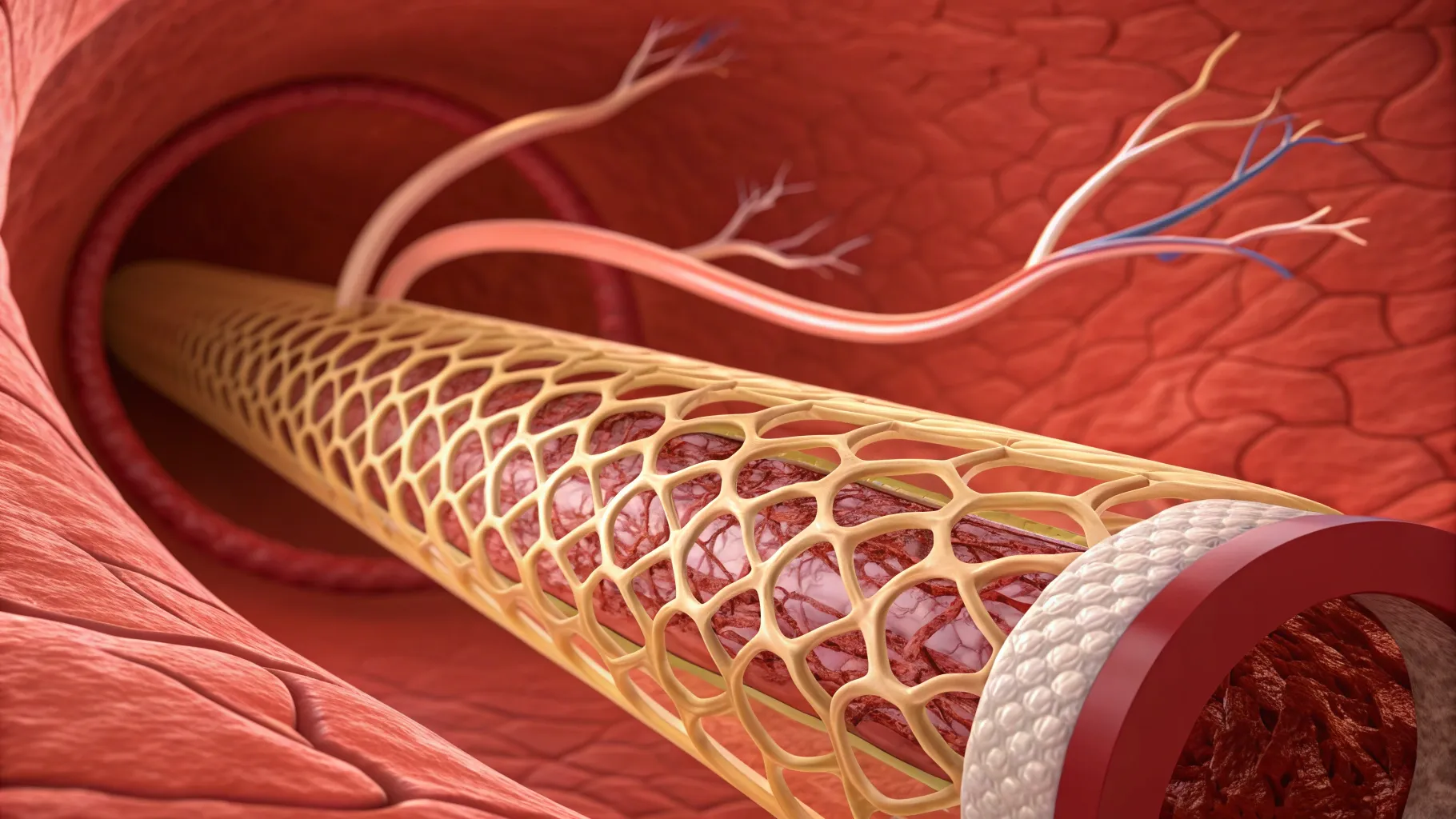
Understanding Bioresorbable Stents
Bioresorbable stents are crafted from innovative materials that dissolve safely within the body. Recent advancements showcase their profound benefits, notably in reducing long-term complications typically associated with permanent stents. Currently, we can categorize bioresorbable stents into three main types:
- Polymer-based stents: Made from biodegradable polymers, these stents decompose over time, encouraging arterial healing while minimizing inflammation.
- Magnesium-based stents: These stents initially provide necessary structural support and are gradually absorbed by the body, promoting natural healing without imposing stress on the arteries.
- Elastomeric stents: A recent innovation, elastomeric stents mimic the elasticity of natural blood vessels, ensuring better compatibility and comfort during recovery.
The choice of stent often depends on the specific clinical profile of the patient, making it crucial for healthcare professionals to assess individual cardiovascular issues carefully.
How Are Bioresorbable Stents Implanted?
The implantation process for bioresorbable stents follows techniques similar to those used for traditional stents. Typically conducted under local anesthesia, a thin catheter is introduced through a small incision—often made in the wrist or groin—and navigated to the coronary arteries. Once positioned correctly, the stent is deployed to clear any blockages.
One of the standout features of bioresorbable stents is their seamless integration with arterial structures. Over a period of several months, these stents dissolve, allowing healthy endothelial growth and blending medical intervention with the body's natural healing processes.
Considering the Costs of Bioresorbable Stents
Cost is a vital consideration when evaluating any new technology. Currently, bioresorbable stents range in price from $4,000 to $8,000, making them more expensive than traditional metal alternatives. Despite the higher upfront costs, many healthcare providers and patients see the potential for reduced long-term expenses due to fewer complications, a lower likelihood of re-interventions, and shorter hospital stays. Assessing the entire treatment journey reveals that bioresorbable stents could indeed lead to considerable financial savings through more natural healing processes.
Improving Patient Recovery Experiences
Patients have reported quicker and more comfortable recovery experiences with bioresorbable stents compared to traditional implanted stents. Recent clinical studies indicate that over 80% of patients express high levels of satisfaction following their procedures. Remarkably, many individuals are able to resume their normal activities within just a few days, attributing their swift recovery to the reduced inflammatory responses associated with the dissolving materials used in these stents.
Pros and Cons of Bioresorbable Stents
Understanding the advantages and disadvantages of bioresorbable stents is essential for both patients and healthcare providers:
- Advantages:
- Significantly decreased risk of late stent thrombosis, a serious concern linked to permanent stents.
- Encouragement of natural healing and remodeling of arterial walls post-procedure.
- Improved patient comfort, as these stents do not leave behind permanent foreign materials in the body.
- Disadvantages:
- The initial higher costs might limit access for some patients, particularly those without robust insurance coverage.
- Emerging findings regarding long-term durability require careful consideration and ongoing research.
- Not every patient is a suitable candidate for these stents, given the diverse characteristics of coronary arteries.
This balanced overview empowers both clinicians and patients to make informed decisions about heart disease treatments.
Innovative Directions in Cardiology
The acceptance and integration of bioresorbable stents highlight a significant shift in cardiology toward minimally invasive solutions. Exciting innovations on the horizon include:
- Stents coated with bioactive compounds to enhance healing capabilities.
- Advanced imaging technologies for more precise stent placement and comprehensive monitoring.
- Upcoming clinical trials exploring novel materials aimed at improving bioresorption rates while minimizing adverse events.
These revolutionary trends suggest a powerful future where heart disease management becomes more effective, closely aligning with the body's natural healing abilities.
Key Indications for the Use of Bioresorbable Stents
To utilize bioresorbable stents prudently, a thorough evaluation of patient conditions is essential. Common indications for their application include:
- Presentations of acute coronary syndrome.
- Patients at a heightened risk for thrombotic events who need temporary vascular support.
- Younger individuals exhibiting early signs of coronary artery disease, where the risks associated with prolonged exposure to foreign materials are higher.
With growing awareness and understanding, many healthcare institutions are actively incorporating bioresorbable stents into standard cardiac care protocols. As the potential benefits become increasingly recognized, they pave the way for enhanced patient experiences across the board.
Bioresorbable stents signify a monumental leap forward in heart disease treatment methods. As these technologies evolve and increasingly become part of clinical practice, they offer the promise of redefining not only patient experiences but also healing processes and treatment possibilities, fostering a healthier future with fewer complications typically associated with cardiovascular interventions.
Authored by FreshLifeWire team