Best Dishwasher: Compact vs. Full-Size
Compact Dishwasher vs Full-Size What’s Better for Your Kitchen
When outfitting your kitchen, making the right choice about your dishwasher can be pivotal for both convenience and efficiency. In the ever-evolving landscape of home appliances, the debate between compact dishwashers and full-size dishwashers remains a hot topic. With the functionality and needs of modern kitchens in mind, let’s explore the benefits of compact dishwashers against the advantages of full-size dishwashers, helping you decide what’s best for your home.
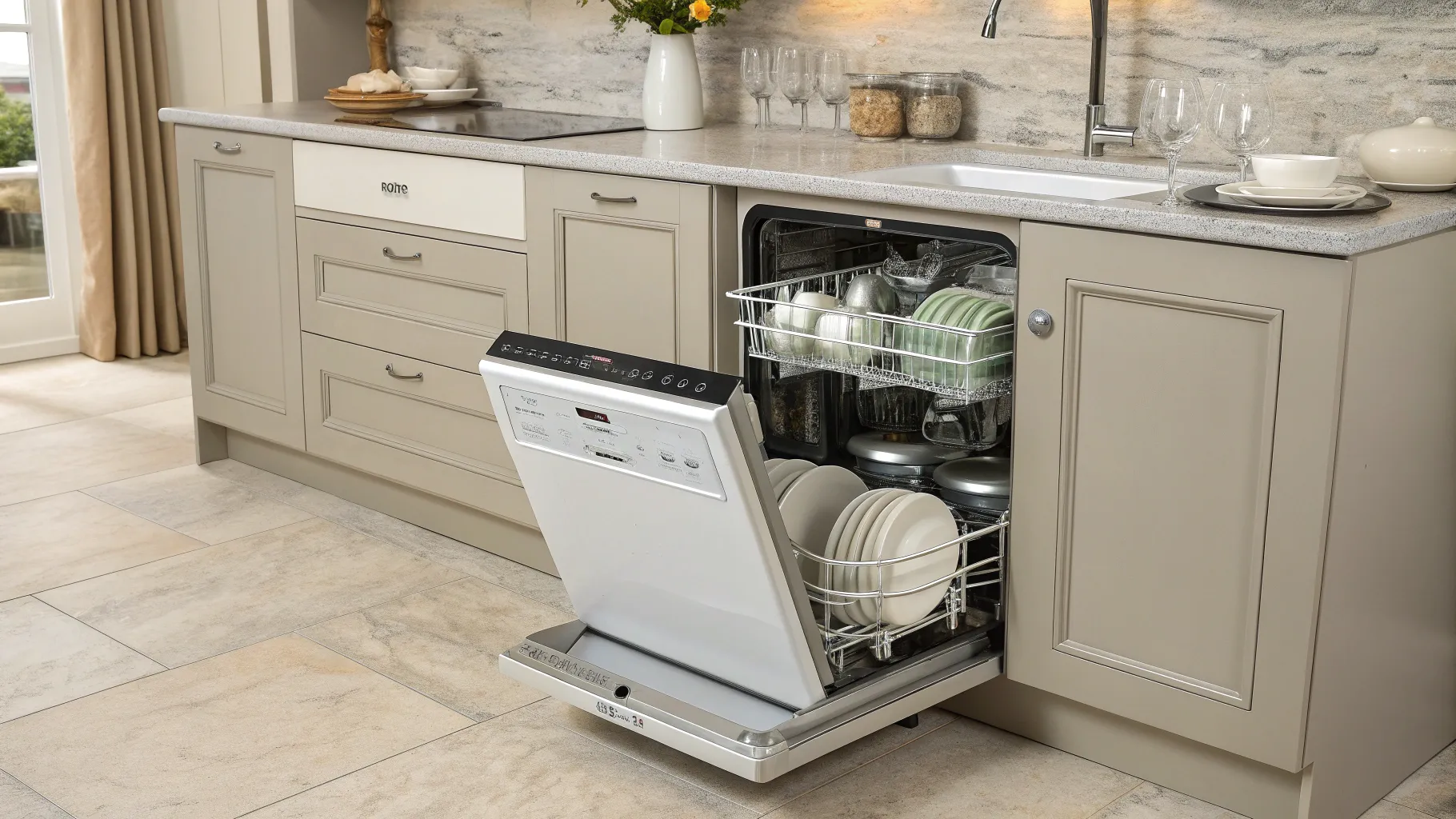
Compact vs Full-Size Dishwasher Key Differences
In the realm of kitchen appliances, choosing the right dishwasher often comes down to assessing space and requirements. To put it simply, compact dishwashers are perfect for apartments or smaller kitchens while full-size ones are geared towards larger households. According to a recent survey conducted in early 2025, nearly 40% of users in urban areas reported choosing compact dishwashers, driven mainly by space constraints.
Benefits of Compact Dishwashers
- Space Efficiency: One of the most significant advantages of compact dishwashers lies in their size. Ranging from 18 to 24 inches in width, they can easily fit into tight spots, making them ideal for smaller kitchens or apartments.
- Lower Water and Energy Usage: Compact models generally consume less water and energy than full-size counterparts. Users report an average of 3.5 gallons of water usage per cycle, compared to the 5 to 6 gallons in full-size dishwashers, leading to significant savings on utility bills.
- Cost-Effective: Typically, compact dishwashers come with a lower upfront cost. The average price for a compact model is around $400, making them more accessible for individuals on a budget.
- Ease of Installation: Compact dishwashers can often be installed without major kitchen renovations. Many models are designed for easy connection to existing plumbing, even portable options are available.
Pros and Cons of Compact Dishwashers
Sure, compact dishwashers have their advantages, but it's essential to weigh them against potential drawbacks:
- Pros:
- Fits in small spaces efficiently.
- Lower energy and water consumption.
- More budget-friendly option for buyers.
- Cons:
- Limited capacity, typically holding 6-8 place settings.
- Reduced washing power compared to full-sized units.
- May not have advanced features such as soil sensors or specialized wash cycles.
Full Size Dishwasher Advantages
For those leaning towards full-size dishwashers, there are substantial benefits that cater to larger households or frequent entertainers:
- Increased Capacity: Full-size dishwashers seamlessly accommodate 12-16 place settings. The extra capacity is invaluable for families or those who often host gatherings, allowing for cleaning larger loads efficiently.
- Better Cleaning Performance: With advanced technologies in cleaning mechanisms, full-size dishwashers often deliver improved cleaning results and can handle tough, baked-on food residues.
- More Features: Newer full-size models come equipped with sophisticated features such as customizable racks, soil sensing, and multiple washing cycles. This variety allows users to tailor the wash based on the load types.
- Long-Term Investment: While the initial cost can be higher, ranging from $600 to $1,200, a full-size dishwasher tends to last longer, saving on replacement costs over time.
Pros and Cons of Full Size Dishwashers
As with compact models, full-size dishwashers present their own set of pros and cons:
- Pros:
- Large capacity suitable for bigger households.
- Advanced cleaning technology for tougher messes.
- Variety of features and settings enhancing usability and efficiency.
- Cons:
- Higher energy and water consumption compared to compact units.
- Takes up more physical space necessitating larger kitchen designs.
- Higher initial cost can be a barrier for budget-conscious buyers.
Kitchen Space and Dishwasher Choice
Deciding between a compact and a full-size dishwasher largely depends on your unique kitchen space and lifestyle needs. For instance, a single individual or couple living in a small apartment may find a compact option more suitable. In contrast, a family of five might benefit exponentially from the higher capacity of a full-size model. According to industry data published in late 2024, 55% of households reported their decision was heavily influenced by the available kitchen space.
When it comes to efficiency, the comparison is clear: compact dishwashers can save you money on water and electricity, but they do limit load sizes which can mean more cycles needed for larger messes. Full-size dishwashers, while potentially less efficient per cycle, can tackle larger jobs in fewer runs, making them a more suitable option for busy families.
How to Choose the Right Dishwasher
So how do you make the right decision? Start by analyzing your kitchen layout and daily dishwashing needs. Consider the following:
- Frequency of Use: Do you cook daily? A full-size may be the best fit.
- Available Space: Is your kitchen cramped? A compact might be ideal.
- Budget: Are upfront costs critical? Compare your options closely.
- Performance Needs: Are you looking for heavy-duty cleaning? Full-size might offer better options.
The choice between a compact and full-size dishwasher is not merely about personal preference but about the harmony of your household’s needs and your kitchen’s layout. By weighing these key factors, you are well on your way to landing the perfect dishwasher for your culinary haven.
Authored by FreshLifeWire team