Discover the Best Cruises from Melbourne to Tasmania
Cruise from Melbourne to Tasmania: An Unforgettable Journey
Taking a cruise from Melbourne to Tasmania is not just about getting from point A to point B; it's an experience that captures the breathtaking beauty, rich culture, and intriguing history of the region. As you sail across the stunning Bass Strait, you're treated to panoramic views that are simply unforgettable. This article delves into various aspects of this voyage, including the best time to travel, the geographical features of the Tasmanian coastline, and the unique wildlife you can encounter along the way.
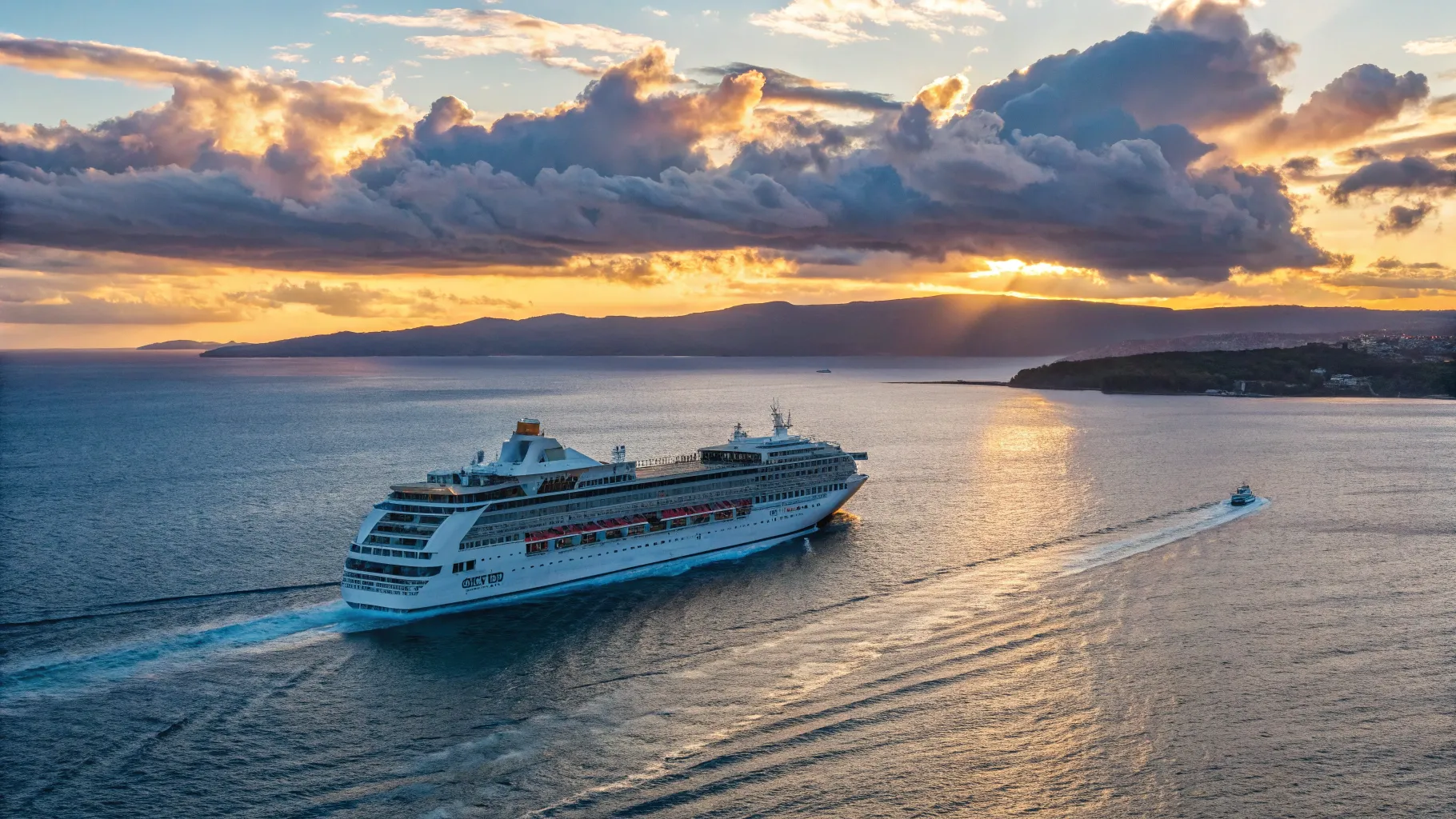
Best Time of Year for a Cruise from Melbourne to Tasmania
The ideal time for embarking on a cruise from Melbourne to Tasmania generally spans from late spring to early autumn, specifically between November and April. This is when Tasmania experiences its mildest weather, with daytime temperatures averaging between 20°C and 25°C (68°F to 77°F), making it perfect for both sightseeing and outdoor activities. During these months, you are less likely to encounter the fierce storms and heavy rain that can frequently affect sailing through the Bass Strait in winter.
Recent statistics from 2024 show that cruise bookings to Tasmania during the summer months have seen a significant uptick, with over 75% of travelers preferring this time frame. Notably, January, coinciding with school holidays, remains the peak month for family-oriented cruises.
Geography of Tasmanian Coastal Regions
The geography you can explore in Tasmania is as diverse as it is captivating. The coastal regions include picturesque towns like Hobart, Launceston, and Burnie, each with its distinct charm and history. Hobart, the capital, nestled between the Derwent River and Mount Wellington, showcases historical architecture alongside a vibrant harbor. Launceston, famous for its Cataract Gorge, offers scenic walking trails that lead to breathtaking views. Burnie’s coastline features beautiful beaches and is well-known for its industrial heritage, providing insights into Tasmania’s maritime history.
- Hobart: Home to the iconic Salamanca Market and the famous MONA (Museum of Old and New Art).
- Launceston: Known for stunning natural landscapes and the Tamar Valley wine region.
- Burnie: Features both beautiful beaches and significant industrial history.
History of Maritime Travel Between Melbourne and Tasmania
The history of maritime travel between Melbourne and Tasmania dates back to the early 19th century when shipping was the only means to transport goods and people between the mainland and the island. With the establishment of colonies in Port Phillip (Melbourne) and Van Diemen's Land (Tasmania), regular shipping routes were established. The journey was often perilous, marked by unpredictable weather and challenging sea conditions, yet paved the way for today’s more comfortable cruise options. Modern cruise liners now offer state-of-the-art amenities, making the trip not only safer but also far more luxurious.
Climate Conditions Affecting Cruises
The Bass Strait is notorious for its rapid changeable weather, which can affect cruise itineraries. Understanding these climate conditions is crucial for both passengers and cruise operators. In general, the weather is temperamental, with conditions changing from bright and sunny to stormy within hours. Cruise travelers should prepare for varying weather by packing layers and waterproof gear, especially during the winter months when colder temperatures and heavy rain can occur.
Monitoring meteorological services can enhance the travel experience, allowing travelers to adapt their plans as needed. Most cruise operators have real-time weather tools integrated into their systems, ensuring a smooth sailing experience.
Wildlife and Marine Ecosystems Encountered
One of the standout features of a cruise from Melbourne to Tasmania is the extraordinary marine life that thrives in Tasmanian waters. Passengers frequently spot dolphins, seals, and an array of seabirds, while special eco-tours can provide opportunities for whale watching, especially during migration seasons. The Tasmanian marine ecosystem is rich and diverse, offering habitat to various species, including the endangered orange-bellied parrot, which is native to coastal Tasmania.
Recent marine biodiversity reports from the last six months indicate a significant increase in marine life sightings along the Tasmanian coast, with eco-conscious cruise companies leading initiatives to protect these environments while showcasing them to travelers.
Cultural and Historical Landmarks in Port Cities
Tasmania’s port cities are steeped in cultural and historical significance. Cruise passengers can visit significant sites, such as the historic Battery Point in Hobart, where Georgian-style homes stand proud. The Tasmanian Museum and Art Gallery reveals the island's rich history, while the Port Arthur Historic Site tells the story of its early convict history, captivating visitors with tales of resilience and survival.
Additionally, Launceston’s historic buildings and the collection at the Queen Victoria Museum and Art Gallery offer glimpses into Tasmania’s artistic heritage. Interactive exhibits make learning about the past engaging, ensuring that everyone leaves enriched by the history.
Typical Itineraries of Cruises from Melbourne to Tasmania
Most cruises from Melbourne to Tasmania offer a range of itineraries, typically ranging from 4 to 7 days. The common ports of call include Hobart, Port Arthur, and Burnie, with enriching excursions available at each stop. A typical itinerary may start with a day or two at sea, providing on-board activities, sophisticated dining options, and entertainment, before arriving in Tasmania.
- Day 1: Departure from Melbourne, enjoying on-board entertainment.
- Day 2: Arrival in Hobart, optional excursions to local landmarks.
- Day 3: Visit to Port Arthur for historical tours.
- Day 4: Stopover in Burnie featuring local craft markets.
- Day 5: Relaxation day at sea on the return journey.
- Day 6: Arrival back in Melbourne, concluding your cruise adventure.
Environmental Considerations of Cruises
As more travelers flock to explore the natural beauty of Tasmania, environmental considerations have become increasingly important. Cruise companies are adopting eco-friendly practices, such as reducing waste through recycling programs, implementing energy-efficient technologies, and supporting local conservation projects. The Tasmanian government also collaborates with these companies to promote sustainable tourism, ensuring that future generations can enjoy the pristine landscapes.
Travelers are encouraged to respect wildlife guidelines while on excursions, helping to protect fragile ecosystems. By making informed choices, cruise-goers contribute to preserving the extraordinary beauty of Tasmania's coastal regions for years to come.
Authored by FreshLifeWire team