Benefits of Hospital-at-Home Programs for Seniors
Understanding Hospital-at-Home Programs for Seniors
As our population ages, the need for efficient healthcare solutions grows more critical. One of the innovations making waves in 2025 is hospital-at-home programs. These programs offer seniors the option to receive acute care in the familiarity of their own homes, shifting the paradigm of traditional inpatient care. This approach not only promises improved recovery outcomes but also addresses some pressing concerns related to cost and access to healthcare.
The Benefits of Home-Based Acute Care
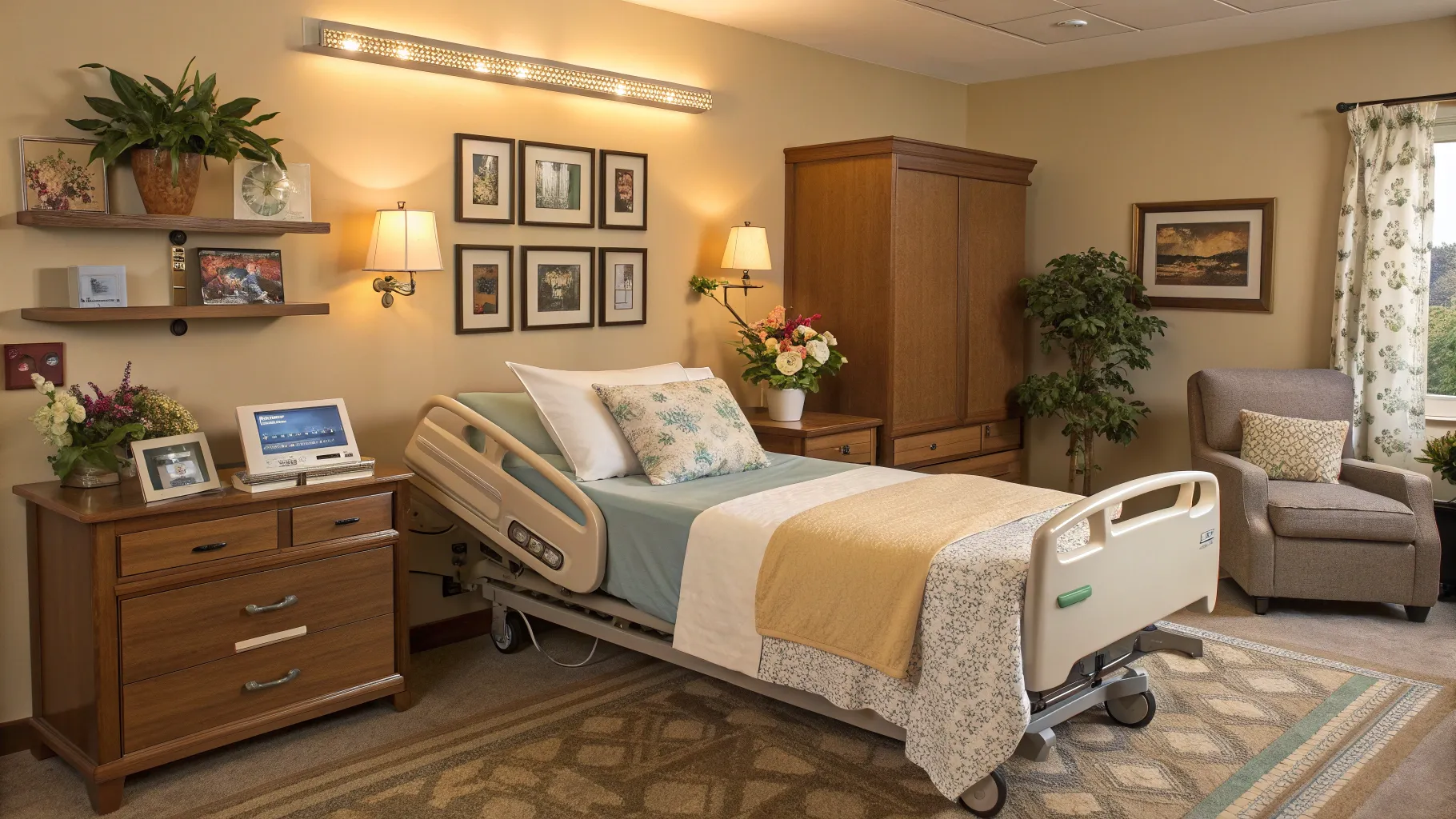
One of the most compelling advantages of hospital-at-home programs is the enhanced home-based acute care benefits. Research shows that seniors often recover better in their own environments, surrounded by family and personal comforts. With the right support, this model significantly reduces the stress and psychological burdens that can be associated with hospital stays.
Recent studies indicate that patients in hospital-at-home programs experience:
- Lower rates of hospital readmissions, with some reporting a reduction of up to 30%
- Improved satisfaction rates, as nearly 90% of participants in a recent pilot project voiced preference for home recovery
- Enhanced management of chronic conditions, leading to a better quality of life for many seniors
Moreover, these programs can significantly lessen the risk of hospital-acquired infections, which is a major concern for older populations.
Cost Comparison with Inpatient Care
A major hurdle that families grapple with when seeking healthcare for older adults is the cost. Hospital-at-home programs often present a more cost-effective solution compared to traditional inpatient care. The average cost per day for hospital-at-home services averages around $2,500, while inpatient care can skyrocket to over $5,000 per day.
Additionally, the decrease in hospital-related expenses—such as food and overhead—translates to savings for both the patient and the healthcare system. Reports from healthcare economists suggest that implementing these models nationally could result in a substantial reduction in overall healthcare spending by up to 15%.
Eligibility and Technology Requirements
Not everyone is eligible for hospital-at-home programs. Generally, these programs cater to patients who have specific medical needs that can be managed outside a traditional hospital setting—such as dehydration, exacerbated chronic illnesses, or post-operative care.
Families exploring this option need to be aware of the technology needs associated with these programs. Most hospital-at-home services rely on telehealth technology, remote monitoring devices, and electronic health records. For instance, patients often use smart devices to track vital signs such as heart rate, blood pressure, and oxygen saturation, which are monitored in real-time by healthcare professionals.
Moreover, a solid internet connection becomes essential for facilitating communication between patients, families, and healthcare providers. Families considering this option should ensure that they have reliable access to the necessary tools and support systems.
Coordinating with Primary Care Providers
Successful hospital-at-home programs require robust coordination with a patient’s primary care provider (PCP). Clear communication between in-home caregivers and PCPs is essential for managing medications, follow-ups, and any unforeseen complications. This collaboration ensures that the transition from hospital to home is smooth and that all parties are on the same page regarding the patient’s care plan.
One prominent model that showcases effective coordination is the partnership between large healthcare systems and local PCPs. For example, a recent partnership in California allowed a local hospital to reduce emergency room visits by 20% in just six months by effectively utilizing hospital-at-home models. Through regular check-ins and updates to family members, healthcare teams ensure continuity and efficacy in senior care.
In addition to improving healthcare delivery, these partnerships also foster a sense of community support. Families are not left to navigate the complexities of at-home care alone; they have a trusted network of providers to guide them.
Real-World Impact and Future Perspectives
The implementation of hospital-at-home programs is actively transforming the landscape of senior healthcare. For instance, a pilot program initiated in New York City last summer highlighted how these services could address emergent needs in the face of healthcare system overloads, especially during peak seasons like flu outbreaks.
Seniors enrolled in these programs showed not only better recovery outcomes but also a marked increase in mental well-being, as many expressed feelings of independence and comfort during their healing process. The data trend shows an ongoing push toward increasing the reach of these programs, incorporating advanced technology to manage more complex cases.
Looking ahead, advancements in artificial intelligence and home healthcare technology suggest a promising future for hospital-at-home programs. As the systems become smarter, there is potential for personalized care plans that evolve with the patient's needs—ultimately leading to happier patients and less burden on our already-stressed healthcare facilities.
In conclusion, the rise of hospital-at-home programs for seniors in 2025 reflects a significant shift towards patient-centered care. With attention to cost efficiency, improved outcomes, and a focus on technology, these programs are paving the way for the future of healthcare. As more families learn about the benefits, the adoption of this model will likely continue to grow, proving that home is not just where the heart is; sometimes, it’s where healing begins.
Authored by FreshLifeWire team