Become an Early Childhood Teacher with a Degree Today
Becoming an Early Childhood Teacher
Stepping into the world of education, especially for young minds, is not just a career choice—it's a calling. Many individuals strive to become an early childhood teacher, recognizing the significant impact they can have on a child’s development. With millions of children attending preschool and kindergarten every year, the role of preschool and kindergarten teachers becomes increasingly vital in laying the educational foundation for future learning.
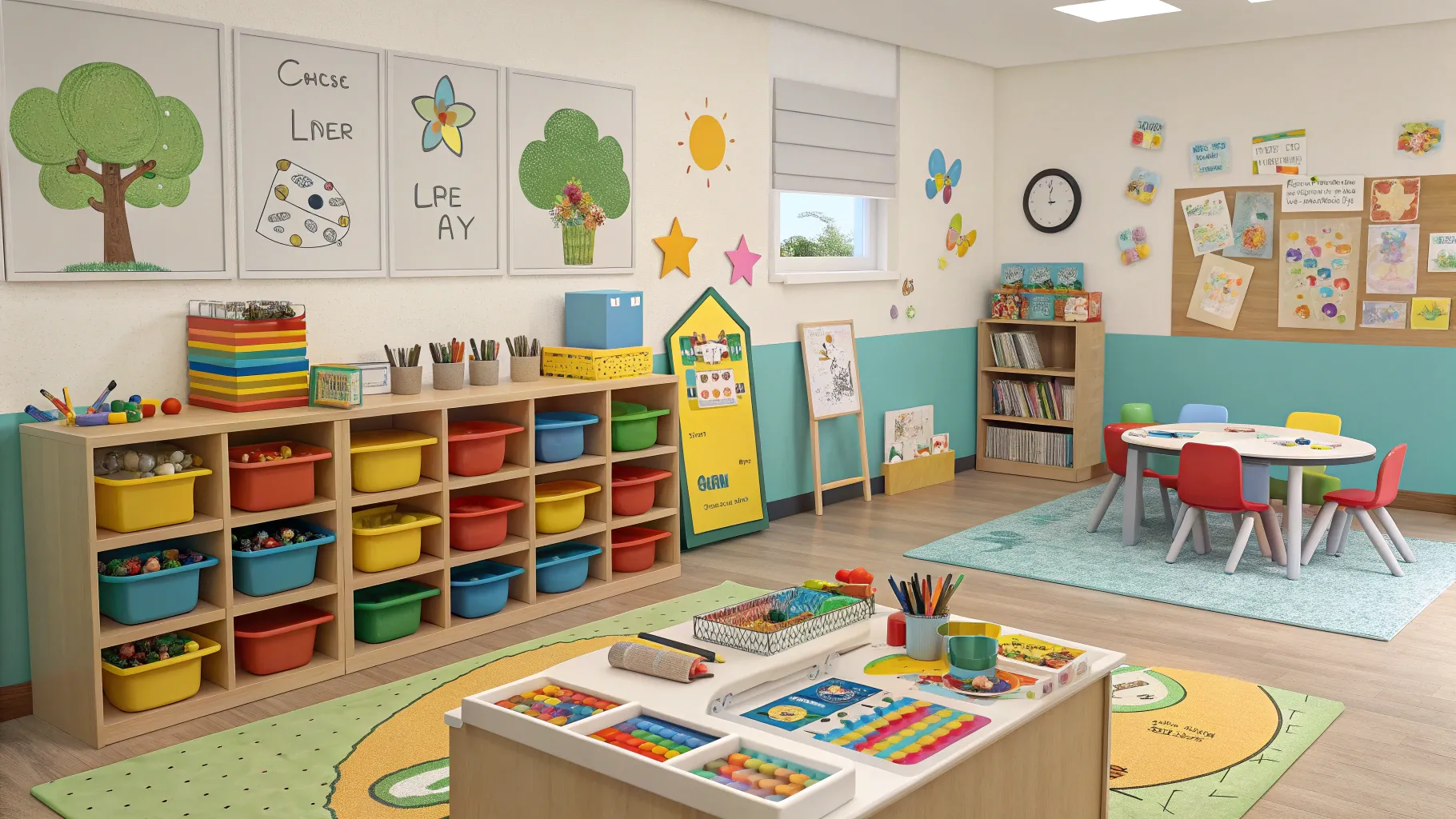
In 2025, the demand for well-trained early childhood educators is more prominent than ever. The National Center for Education Statistics indicates that nearly 75% of parents now enroll their children in preschool programs by age three, which emphasizes the need for qualified educators who can guide these young learners. Choosing to become an early childhood teacher opens a pathway to nurture creativity, imagination, and growth in children.
Early Childhood Teacher Degree Requirements
To pursue a career in early childhood education, aspiring teachers generally begin with a relevant degree. Most institutions offer a variety of early childhood teacher degree programs designed to provide the knowledge and skills needed in the classroom. A common route is a bachelor's degree in Early Childhood Education followed by licensure, which varies by state. In some states, an associate degree may suffice for preschool teaching positions; however, obtaining a bachelor’s degree can offer greater job prospects and higher salary potential.
Programs typically include coursework in child development, curriculum planning, and educational psychology. For example, according to a recent report from the Bureau of Labor Statistics, early childhood educators with a bachelor's degree earn an average annual salary of about $57,000, compared to $31,000 for those with only an associate degree. This disparity underscores the importance of seeking higher education to advance your career in early childhood education.
In addition to formal education, hands-on experience is crucial. Most degree programs require student teaching as a vital component of the educational process. This practical training allows future educators to apply theories in real-world settings, developing their own teaching strategies and approaches that can engage young learners effectively.
Teaching Strategies for Early Childhood Education
As an early childhood teacher, utilizing effective teaching strategies is essential to reaching young children. Practical teaching methodologies tailored to their unique learning styles can profoundly influence their educational experiences.
- Play-based Learning: Children learn best through play. Providing interactive, playful learning environments helps them discover and understand concepts naturally. Studies show that kids who engage in play-based learning demonstrate higher social skills and cognitive development.
- Hands-on Activities: Engaging children with hands-on activities like arts and crafts, sensory play, and simple science experiments keeps their interest piqued. According to recent findings, these experiences cultivate creative thinking and problem-solving skills.
- Diverse Learning Materials: Incorporating a variety of resources—ranging from books and puzzles to digital tools—accommodates different learning styles. An inclusive approach ensures all children find something that resonates with them.
- Regular Assessment: Continuous assessment through informal means helps teachers understand each child's progress and adjust their teaching methods accordingly. This dynamic feedback loop can significantly support each child's learning journey.
Moreover, in the vibrant world of preschool and kindergarten, teachers often find themselves in multi-faceted roles. Besides being educators, they act as counselors, social workers, and even mediators. They work closely with parents to create individualized learning plans that cater to each child's needs. Collaborating with other professionals, such as speech therapists and child psychologists, is also essential in addressing diverse challenges faced by young children.
Moreover, the modern classroom is evolving. Technology now plays a crucial role in early childhood education, with educational apps and digital resources designed specifically for preschoolers. By integrating tech tools, educators can reach tech-savvy children, making learning more engaging and relevant.
The role of a preschool teacher goes beyond mere instruction; it's about fostering an environment where curiosity is celebrated, and questions are met with encouragement. This nurturing approach fosters a lifelong love of learning in children, equipping them with the skills necessary for future academic success.
Preschool Teacher Education and Ongoing Development
The journey to becoming an effective preschool teacher doesn’t stop once you obtain your preschool teacher degree. Like any profession, continual learning is vital. Opportunities for professional development abound, offering workshops, certifications, and advanced degree options tailored to educators in early childhood settings.
In the past six months, several universities have developed new online courses focusing on innovative teaching methods and diversity in education, allowing current teachers to fine-tune their skills while accommodating busy schedules. Keeping up with the latest research and trends ensures that educators are prepared to meet the evolving needs of their students.
Networking through professional organizations, such as the National Association for the Education of Young Children (NAEYC), not only provides resources for ongoing education but also connects educators with others who share their passion for nurturing the upcoming generation. Active participation in these communities reinforces the importance of collaboration and sharing best practices among peers.
Today, as we transform the educational landscape, the importance of quality nursery carers cannot be overstated. They lay the groundwork for future success, enabling children to explore their environment and express themselves fearlessly. The investment in early childhood education is not just an investment in the child's future but in society as a whole.
Embracing this rewarding profession means dedicating oneself to shaping young lives, igniting curiosity, and fostering lifelong learning. For those with a passion for education, becoming an early childhood teacher is undeniably one of the most fulfilling paths to take.
Authored by FreshLifeWire team