Bathroom Wall Panels Pros and Cons for Your Space
Exploring Bathroom Wall Panels Pros and Cons
With the ongoing evolution in home décor, bathroom wall panels have surged in popularity as a versatile and stylish alternative to traditional wall finishes. While these panels can enhance aesthetics and functionality, it’s essential to delve into their pros and cons to see if they align with your bathroom renovation goals. In this article, we’ll discuss the advantages and disadvantages associated with bathroom wall panels.
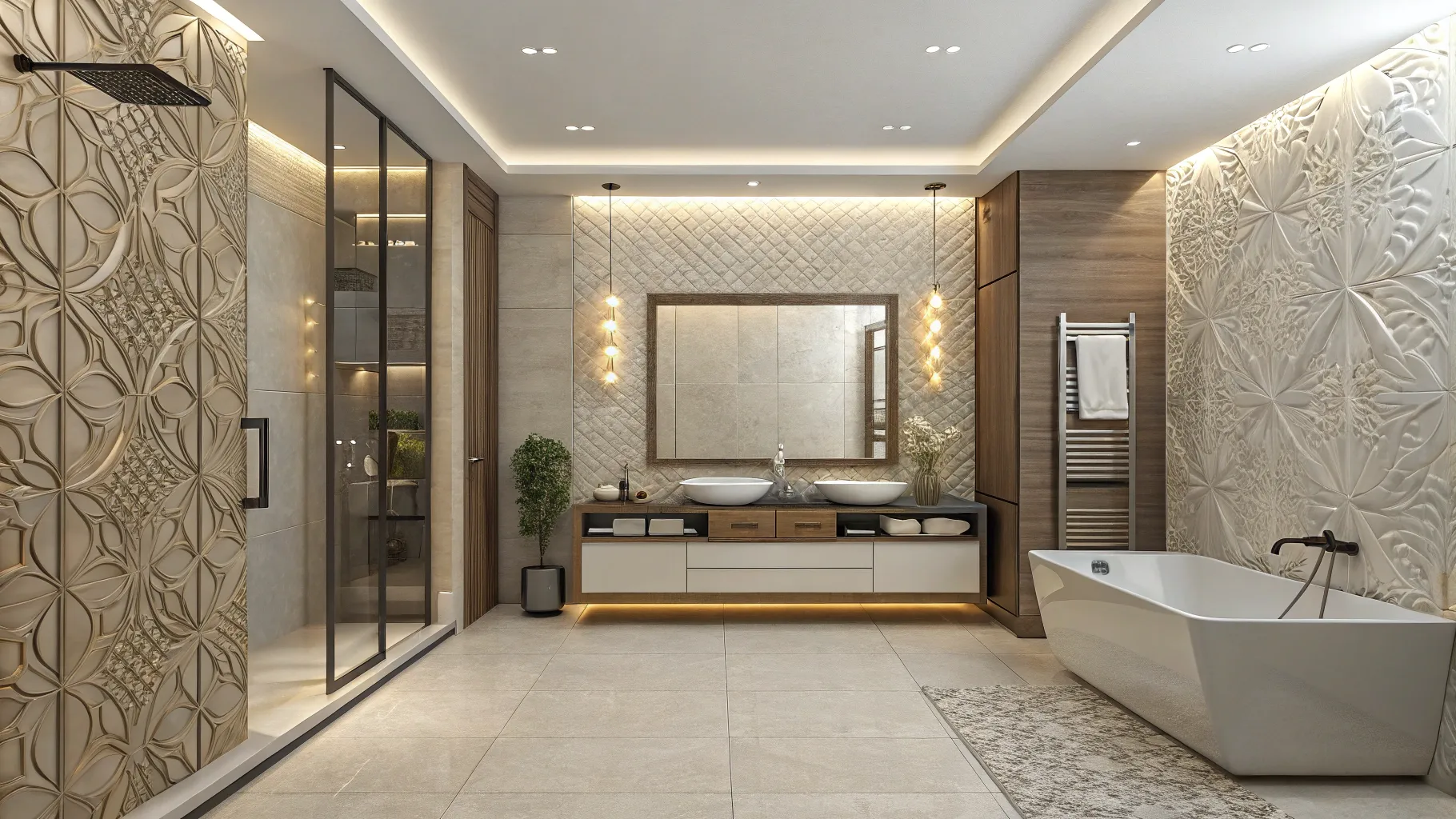
Pros of Bathroom Wall Panels
- Water Resistance: One of the main reasons homeowners are choosing wall panels is their inherent resistance to moisture. Unlike traditional tiles, which may harbor mold in grout lines, modern bathroom wall panels are designed to seal out moisture effectively, ensuring your walls remain dry and free from damage.
- Ease of Installation: Bathroom wall panels can often be installed more quickly than tiles. Many panels are designed for straightforward installation, often involving a click-and-lock mechanism or adhesive backing, which can significantly reduce labor costs and time.
- Variety of Designs: Today's bathroom wall panels come in a multitude of styles, colors, and textures. Whether you prefer a sleek modern look or a rustic finish, there is likely a panel to suit your taste and bathroom theme, making it easy to conceptualize your ideal space.
- Low Maintenance: Unlike tiles that require regular cleaning to keep grout lines free of mildew, wall panels typically require minimal upkeep. A simple wipe-down with a damp cloth is often all that is needed to maintain their beauty, saving you time and effort.
- Cost-Effectiveness: Although the initial cost can vary, bathroom wall panels can actually be more cost-effective in the long run due to their durability and low maintenance needs. Homeowners often find great value in the longevity and ease of care that these panels provide.
Cons of Bathroom Wall Panels
- Durability Concerns: Despite their many benefits, some bathroom wall panels may not be as durable as tiles when subjected to heavy impacts. Homeowners should choose thicker and reinforced options for high-traffic areas to mitigate potential damage.
- Limited Repair Options: Unlike tiles that can easily be replaced if cracked, wall panels can be more challenging to repair. If damaged, you may need to replace the entire panel, which can be a hassle and potentially more costly.
Are Bathroom Wall Panels Worth It?
When considering a bathroom renovation or refresh, the question arises: are bathroom wall panels worth it? To answer this, it’s essential to weigh their aesthetic appeal against practicality. As of 2025, statistics show that homeowners are increasingly investing in wall panels, with a 30% rise in installations recorded over the past year. The reasons cited for the increase include versatility in design and hassle-free maintenance.
Crafted from materials such as acrylic, PVC, or laminate, bathroom wall panels offer significant aesthetic options while ensuring functionality. A growing number of DIY enthusiasts are embracing panels due to their ease of installation, often reported as approximately 70% quicker than traditional tiling methods.
For those who value long-term returns on their investments, bathroom wall panels are proving to be a great choice. Recent surveys indicate that more than 50% of homeowners report higher satisfaction rates with panels over tiles, largely due to reduced maintenance requirements and visual appeal.
Bathroom Wall Panels vs Tiles: A Comparative Analysis
When comparing bathroom wall panels to traditional tiles, it’s crucial to analyze several factors, including installation time, maintenance, cost, and longevity. Tiles, while classic, often require meticulous grout installation which can be both time-consuming and labor-intensive. Some might argue that tiles offer a more authentic feel, but advances in wall panel technology have narrowed this aesthetic gap.
- Installation: Tiles generally require a professional installer to ensure proper application, whereas bathroom wall panels can often be a DIY project. This ease of installation can save money as homeowners can take the project into their own hands.
- Waterproofing: Both tiles and panels can be waterproof, but panels typically provide an edge due to seamless designs that eliminate grout lines, helping prevent moisture accumulation.
- Style Options: Both tiles and panels now come in a plethora of designs, but panels often carry the latest trends, including 3D textures and customizable graphics, making them a preferred choice for modern interiors.
Ultimately, the decision comes down to personal preferences, lifestyle factors, and budget. Many homeowners are finding that bathroom wall panels offer the perfect balance of style, practicality, and cost-effectiveness.
How Durable Are Bathroom Wall Panels?
Durability is one of the critical factors for any bathroom renovation. On average, bathroom wall panels exhibit a lifespan of 10 to 30 years depending on the material and level of maintenance. Acrylic panels, for instance, have been reported to last up to 20 years without significant wear and tear. Recent advancements have made panels more resistant to scratches and dents, providing peace of mind for busy households.
Moreover, it's worth noting that brands are continuously improving their product lines. Current trends indicate that layered materials are being utilized to enhance durability further. In fact, a brand analysis in early 2025 showed a 25% improvement in long-term performance ratings across popular panel producers, reflecting the ongoing focus on quality.
In summary, it's clear that bathroom wall panels present numerous advantages. From ease of installation to aesthetic versatility and low maintenance, they can transform a bathroom into a stylish retreat. Weighing the pros and cons, along with understanding how they compare to traditional tiles, will help guide your renovation journey. If you’re still contemplating your choices, visiting local showrooms could provide some much-needed inspiration and clarity for your perfect bathroom space.
Authored by FreshLifeWire team