Bathroom Wall Panels Advantages and Disadvantages Explained
Understanding Bathroom Wall Panels: Pros and Cons
Bathroom wall panels have surged in popularity in recent years, and for good reason. They offer a modern alternative to traditional tiles, promising style, ease of maintenance, and various advantages. However, like any option, they come with a set of downsides. This article will delve into the pros and cons of bathroom wall panels, helping you make an informed decision for your home.
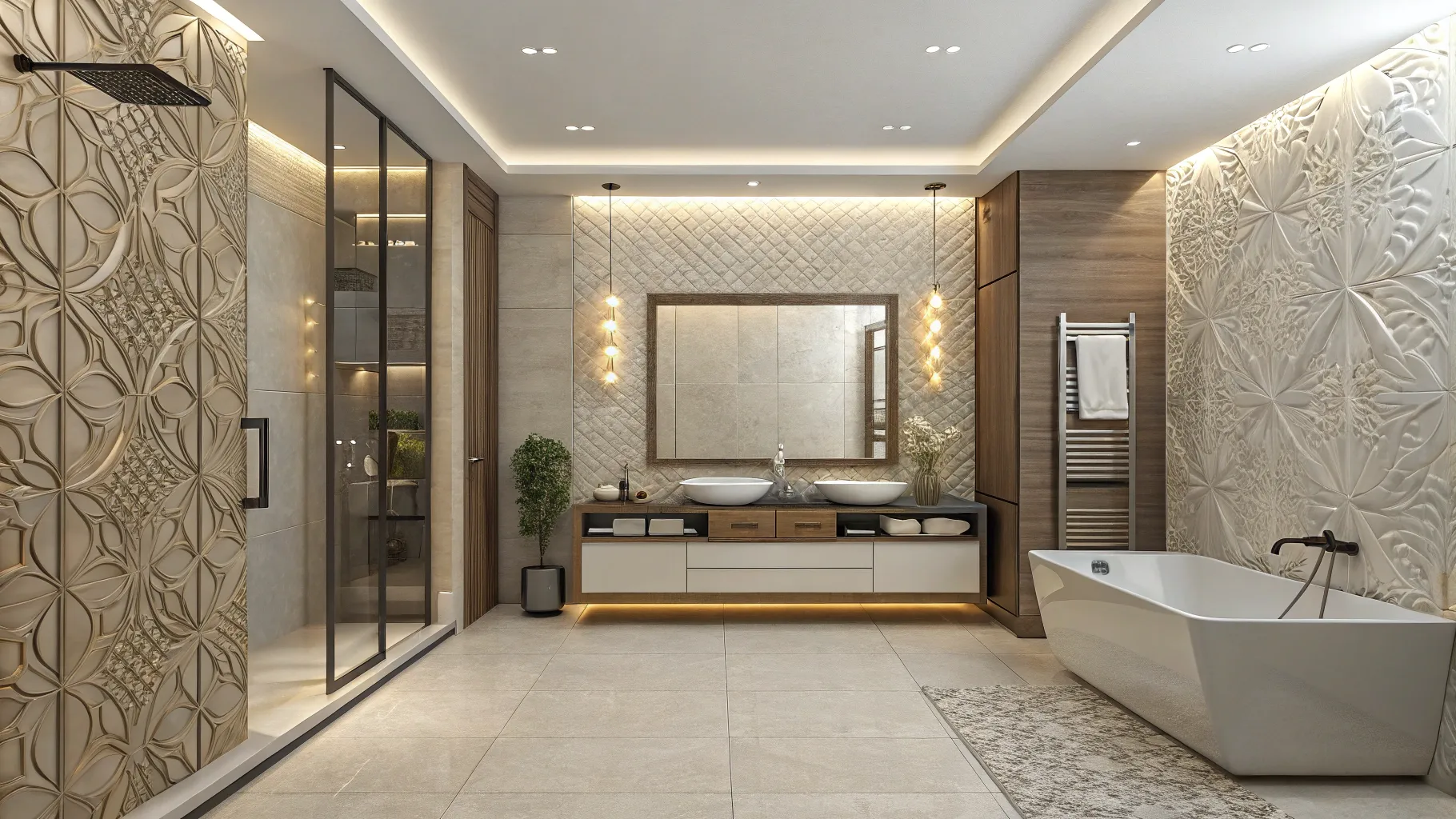
Are Bathroom Wall Panels Worth It?
When considering renovations, homeowners often ask if bathroom wall panels really deliver value. The answer largely depends on your specific needs and preferences. For many, the appeal lies in the benefits they offer:
- Cost-Effectiveness: In many cases, bathroom wall panels can be a less expensive option than traditional tiles. With installation often requiring fewer materials and less labor, your wallet might thank you.
- Easy Installation: Unlike tiles that require mortar and grout, panels can usually be installed in a fraction of the time, making them a favorite among DIY enthusiasts.
- Waterproof and Moisture Resistant: One of the most significant advantages is their ability to resist moisture. Many panels are designed to be completely waterproof, which protects your walls from mold and mildew.
- Variety of Styles: Modern bathroom wall panels come in many finishes, colors, and textures, offering a wide range of aesthetic appeal that can suit any design style.
- Low Maintenance: Unlike tiles that require grouting and more frequent cleaning, wall panels can be wiped down easily, making them perfect for busy households.
However, it’s also essential to consider the downsides:
- Durability Concerns: While panels are generally durable, they may not hold up as well against impact as tiles, making them susceptible to dents and scratches.
- Thermal Expansion: Bathroom wall panels can sometimes expand and contract with temperature changes, potentially leading to gaps or unsightly seams if not properly installed.
- Styling Limitations: Although there are many designs available, some may feel they lack the unique charm and character of traditional tile layouts.
Comparing Bathroom Wall Panels vs Tiles
Choosing between bathroom wall panels and tiles can feel overwhelming given the vast array of options out there. To simplify your decision, let’s take a closer look at how they stack up against each other:
- Installation Time: Tiles take longer to install due to the need for leveling, spacing, and grouting. In contrast, panels can be set up quickly, often in just a day, enabling quicker project turnaround.
- Price Point: On average, wall panels can be less expensive than high-quality tiles. For a typical bathroom renovation, panels might cost 20-30% less than tiles when factoring in labor and materials.
- Maintenance: The seamless nature of wall panels allows for easier cleaning, while tiles may require more upkeep due to grouting that can accumulate grime.
- Aesthetic Variety: While both panels and tiles come in various designs, tiles offer a more classic look that may appeal to some homeowners. Comparatively, panels can give a sleek, modern feel.
Case studies from the last six months indicate a growing trend toward panels, particularly in urban areas where modern, sleek designs are coveted. In London, for instance, 60% of newly renovated bathrooms have utilized wall panels as a stylish replacement for tiles, showcasing the shift towards this innovative material.
Durability of Bathroom Wall Panels
Many homeowners wonder about the durability of bathroom wall panels. While options can vary by material, high-quality panels made from acrylic or PVC are designed to withstand the wear and tear typical of bathroom environments. For reference, the average lifespan of a good-quality panel is around 15 years, provided they are maintained and installed correctly.
To illustrate, let’s take the case of a suburban homeowner who installed acrylic panels in their bath area. Over three years, they reported no significant issues with scratches or moisture intrusion. Comparatively, a neighbor who chose tiles found they constantly needed to scrub grout lines and ultimately replaced a couple of cracked tiles, leading to additional costs.
Benefits and Key Features
The benefits of bathroom wall panels extend beyond just aesthetics and ease of installation:
- Waterproofing: High-quality panels offer a waterproof barrier, preventing water damage and reducing the risk of mold growth.
- Eco-Friendly Options: Many manufacturers now produce panels from recycled materials, making them a sustainable choice for environmentally conscious homeowners.
- Thermal Insulation: Panels can provide better insulation than tiles, helping to keep your bathroom warm and improve energy efficiency.
The growing market for bathroom renovations has seen an influx of options for those considering wall panels. As trends evolve in 2025, more homeowners are prioritizing style, sustainability, and functionality all at once.
As with any home upgrade, evaluate your unique needs, budget, and lifestyle before deciding on bathroom wall panels versus tiles. Whether it's the clean lines of panels or the classic feel of tiles, understanding your options means creating a space you’ll love for years to come.
Authored by FreshLifeWire team