Average Salary of Mechanics in Australia in 2025
Average Salary of Mechanics in Australia in 2025
In 2025, the mechanics sector in Australia continues to showcase a dynamic salary landscape. On average, mechanics earn between AUD 75,000 to AUD 80,000 annually, reflecting not only their expertise but also the evolving demands of the automotive industry. However, this figure can vary significantly based on factors such as experience level, geographic location, and the area of specialization.
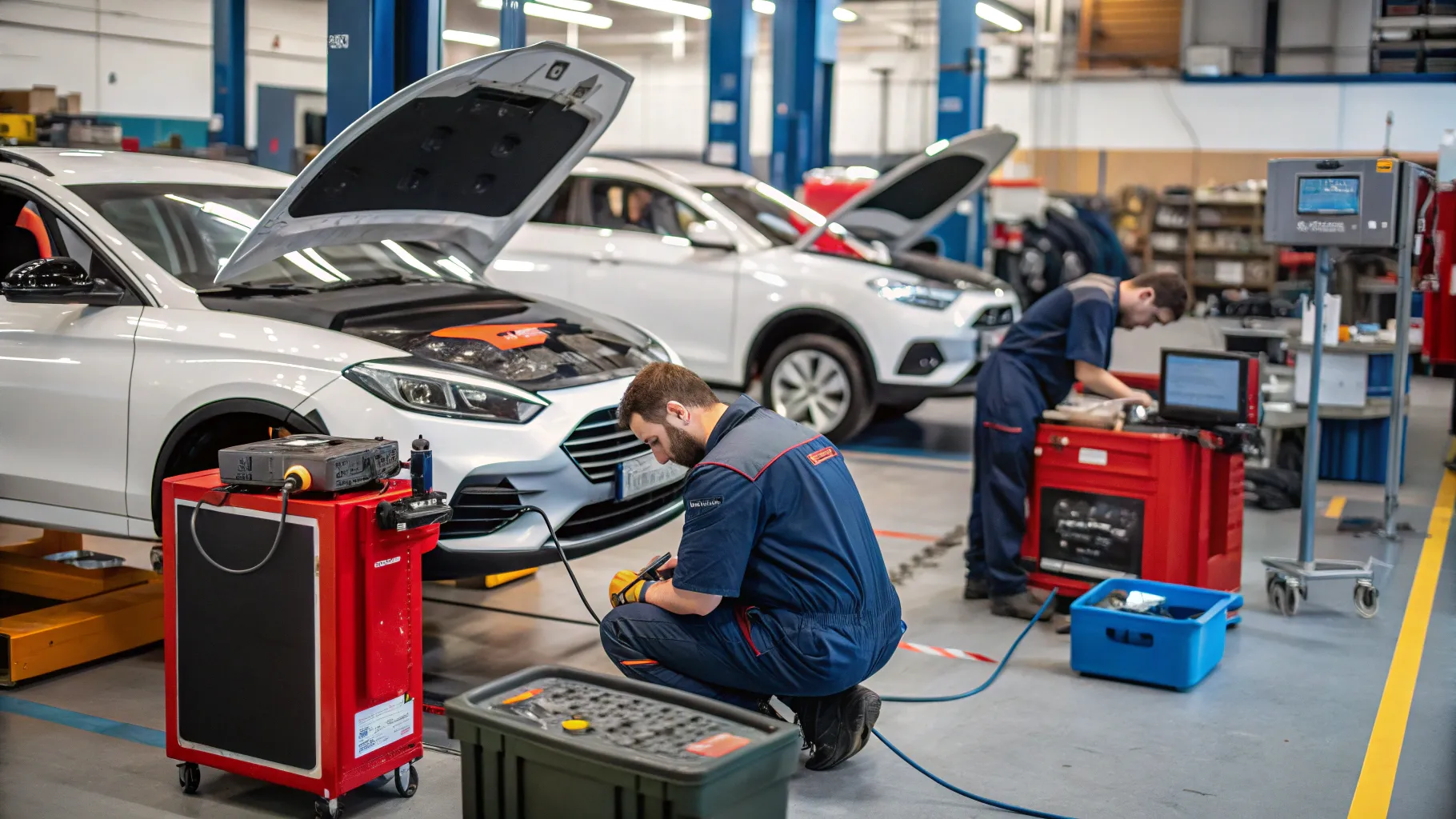
Entry-level mechanics, known as apprentices, can expect to earn around AUD 60,000, which provides a solid foundation for their career. As they gain experience in the field, many skilled mechanics see their earnings ascend to approximately AUD 80,000, while those who have honed their skills and developed advanced expertise, particularly with newer technologies, can command salaries north of AUD 100,000. This is especially true for specialists in hybrid and electric vehicle maintenance, a field gaining substantial traction as consumer preference shifts towards more sustainable automotive options.
Salary Insights Based on Experience
- Apprentice Mechanics: AUD 50,000 - 60,000
- Skilled Mechanics: AUD 65,000 - 80,000
- Experienced Mechanics: AUD 80,000 - 100,000
- Master Mechanics / Specialists: AUD 90,000 - 120,000
According to the latest reports from the Australian Government's Department of Employment and Workplace Relations, job prospects for mechanics are bright. The demand is projected to increase alongside advancements in automotive technology and a growing vehicle population in Australia, transitioning toward more sophisticated, eco-friendly vehicles.
Career Path and Growth Opportunities for Mechanics in Australia
The career trajectory for mechanics is laden with opportunities for personal growth and professional development. Most mechanics start their journey by earning a Certificate III in Light Vehicle Mechanical Technology, which usually involves a three to four-year apprenticeship. This not only allows them to gain valuable hands-on experience but also aids them in building a reliable income.
As mechanics accumulate experience, many choose to specialize in certain areas of interest or need. For example, expertise in electric vehicle technology is rapidly becoming a game changer. Mastering hybrid and electric vehicle systems not only enhances a mechanic's marketability but also significantly boosts their salary potential. Furthermore, seasoned mechanics often transition into managerial roles, such as service managers or workshop foremen, where salaries can frequently exceed AUD 100,000.
In addition to technical skills, mechanics in today’s job market are encouraged to engage in continuous training and certification programs. Skills in diagnostics, advanced electronics, and enhanced customer service capabilities are increasingly sought after. Given the rise in onboard vehicle technologies, adaptability in skill sets has become critical, as mechanics must now navigate sophisticated systems and troubleshoot complex electronic issues.
Work-Life Balance for Mechanics
When considering a career as a mechanic, work-life balance emerges as an essential factor. Generally, mechanics work full-time, with typical hours falling between 8 AM and 5 PM or 9 AM to 6 PM. During peak periods, such as holiday seasons, overtime might be necessary. However, many mechanics find the fast-paced environment stimulating rather than overwhelming, especially in larger workshops where team dynamics provide support.
Employers have become increasingly aware of the importance of fostering a healthy work-life balance. Many are adopting flexible working arrangements, including compressed workweeks or additional time-off incentives. This not only bolsters employee satisfaction but can also lead to increased productivity. Mechanics who effectively manage work-life balance often report higher job satisfaction, which subsequently enhances performance levels within the workplace.
As the industry shifts markedly towards electric vehicles and more seamless technology integration, mechanics have the opportunity to enjoy more structured hours. This transition leads to reduced stress levels, particularly compared to the more chaotic dynamics associated with servicing older vehicles. Enhanced diagnostic processes allow for better time management and, as a result, a more enjoyable working environment.
Current Trends Reshaping the Automotive Industry
As we navigate the year 2025, several pivotal trends are emerging within the automotive industry that every mechanic should acknowledge:
- Rise in Electric Vehicle Maintenance: With government initiatives advocating for reduced carbon footprints, the automotive sector is seeing an escalating demand for EV maintenance services. Mechanics who specialize in electrical systems and understand hybrid technology are uniquely positioned to benefit from this burgeoning field.
- Adoption of Remote Diagnostics: Innovations in technology now allow for remote vehicle diagnostics, streamlining repair processes. Mechanics skilled in utilizing software for these diagnostic procedures are experiencing an increase in job demand, positioning them ahead in the competitive market.
- Enhanced Customer Engagement: Modern mechanics are evolving into customer relationship managers. Creating rapport with clients forms a vital part of their role, which goes beyond simple mechanical fixes; trust and communication are now at the core.
- Technological Integration: The industry is seeing a rise in digital tools and apps utilized for automotive services, from managing appointments to facilitating quick communication between clients and service providers. Mechanics who are comfortable using these technologies will find greater success in their endeavors.
In summary, the mechanics' salary landscape in Australia reflects not just the traditional skill set but also highlights the necessity to adapt to an ever-evolving industry. Those who embrace continuous learning and exceptional customer service will undoubtedly find their footing in this competitive discipline as the automotive environment shifts in response to modern demands.
Authored by FreshLifeWire team