Atrial Fibrillation Indicators and Pulse Rhythms Explained for Seniors
Facts:
- Atrial Fibrillation (AFib) is the most common type of treated heart arrhythmia.
- A growing trend in pulse rhythm monitoring over 60 involves wearable technology for early detection.
Understanding the Signals: Primary Atrial Fibrillation Indicators
Recognizing the signs of Atrial Fibrillation (AFib) is the first and most critical step toward managing this common heart condition, especially for older adults. Many of the initial symptoms can be subtle and are often mistaken for normal signs of aging, which is why understanding the specific atrial fibrillation indicators seniors should look for is paramount. AFib occurs when the upper chambers of the heart, the atria, beat chaotically and irregularly, out of coordination with the lower chambers, the ventricles. This can lead to a range of symptoms and significantly increases the risk of stroke and heart failure. Paying close attention to these early warnings and understanding your unique cardiac vascular health signs can empower you to seek timely medical advice and treatment, ultimately safeguarding your long-term health and well-being.
Common Irregular Heartbeat Indicators in the Elderly
For older adults, the presentation of AFib can vary widely. While some individuals may experience dramatic and unmistakable symptoms, others might have 'silent AFib' with no noticeable signs at all. This makes vigilance crucial. The most common of the irregular heartbeat indicators elderly individuals report is a sensation of a fluttering, quivering, or racing heartbeat, often described as palpitations. This is the heart's erratic rhythm making itself known. Beyond palpitations, other significant symptoms include persistent fatigue, shortness of breath (especially with exertion), dizziness or lightheadedness, and chest pain or pressure. These symptoms arise because the inefficient pumping of blood can deprive the body of oxygen-rich blood. Recognizing these as potential cardiac vascular health signs and not just 'slowing down' is vital for early diagnosis and intervention.
The Critical Role of Pulse Rhythm Monitoring Over 60
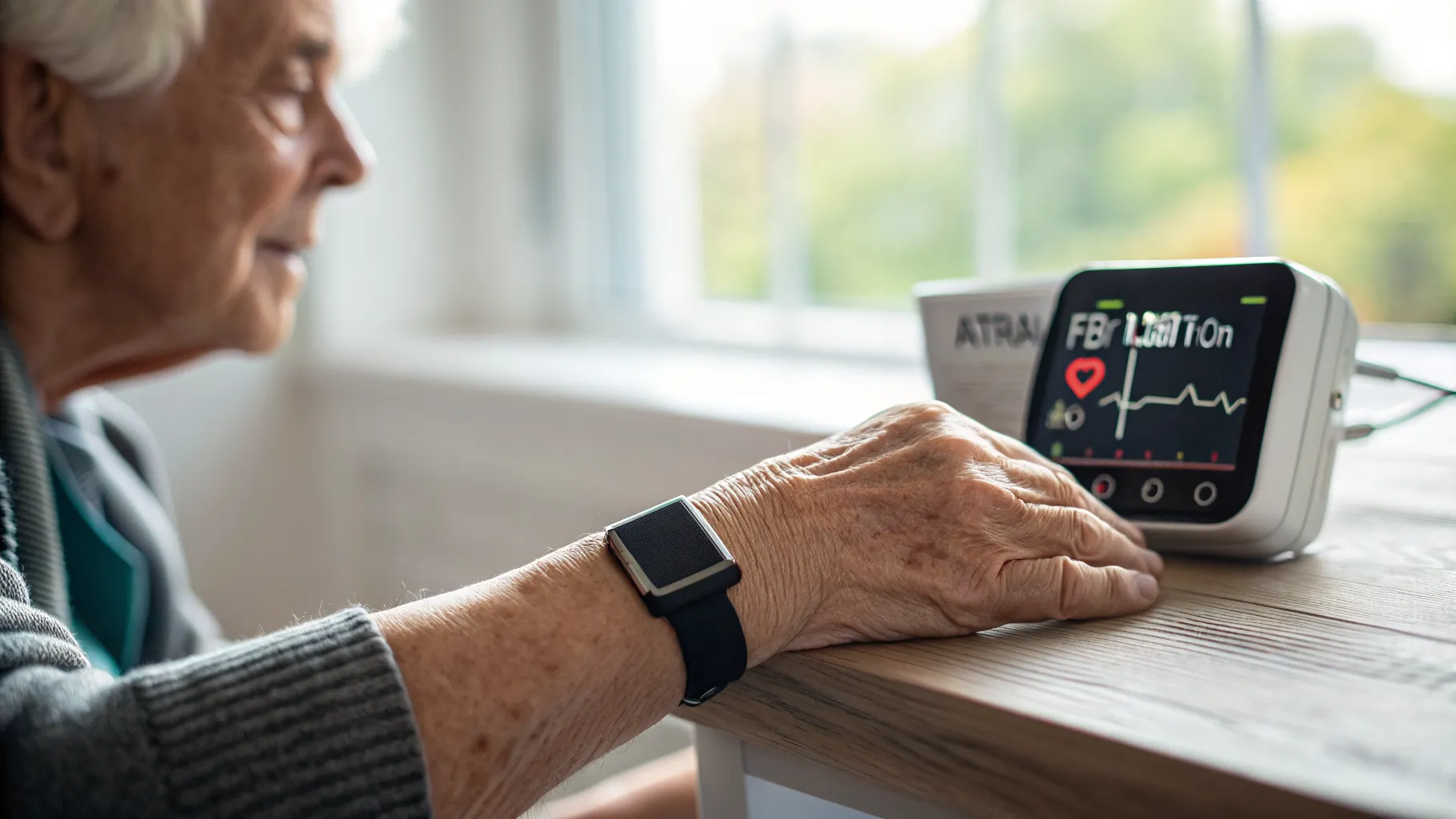
Given the subtle nature of AFib symptoms, proactive monitoring has become an essential tool in cardiac care for seniors. Regular pulse rhythm monitoring over 60 is one of the most effective strategies for early detection. This can be as simple as learning to take one's own pulse manually, checking for a regular, steady beat. A pulse that feels erratic, too fast, or too slow should be reported to a doctor. However, technology has provided more sophisticated options. Wearable devices like smartwatches and dedicated heart monitors can continuously track heart rhythm and alert users to potential irregularities. This constant stream of data provides invaluable insights that can be shared with healthcare providers, making it easier to identify patterns that might indicate AFib. This type of monitoring bridges the gap between doctor visits, offering peace of mind and a powerful layer of protection against the complications associated with untreated atrial fibrillation indicators seniors may experience.
Advanced Diagnostics: Understanding Telemetry Indicators
When initial signs point towards a potential arrhythmia, healthcare professionals turn to more advanced diagnostic tools to confirm a diagnosis. This is where telemetry indicators become crucial. Telemetry refers to the process of monitoring a patient's vital signs, including heart rhythm, remotely or continuously over a period. Devices like a Holter monitor (a portable ECG worn for 24-48 hours) or an event monitor provide a detailed view of the heart's electrical activity as a person goes about their daily life. The resulting telemetry indicators can capture sporadic episodes of arrhythmia that a standard, in-office ECG might miss. These indicators show doctors the exact nature of the irregular heartbeat, its frequency, and its duration, which are all critical pieces of information for diagnosing AFib and distinguishing it from other types of arrhythmias. This data is fundamental for creating an effective treatment plan to manage the condition and improve overall cardiac vascular health signs.
Actionable Steps for Better Cardiac Vascular Health
Managing and preventing AFib involves more than just monitoring; it requires a proactive approach to your overall cardiovascular health. By taking concrete steps, you can significantly improve your cardiac vascular health signs and reduce your risk factors. Integrating these habits into your daily life is a powerful way to support your heart.
- Adopt a Heart-Healthy Diet: Focus on a diet rich in fruits, vegetables, whole grains, and lean proteins. Reducing intake of sodium, saturated fats, and processed foods can help manage blood pressure and cholesterol, two major risk factors for AFib.
- Engage in Regular Physical Activity: With a doctor's approval, aim for at least 150 minutes of moderate-intensity exercise per week. Activities like brisk walking, swimming, or cycling can strengthen the heart and improve circulation. This is a key part of managing the irregular heartbeat indicators elderly individuals may face.
- Maintain a Healthy Weight: Excess weight puts a significant strain on the heart. Losing even a small amount of weight can lower blood pressure and reduce the burden on your cardiovascular system.
- Manage Coexisting Conditions: Effectively manage conditions like high blood pressure, diabetes, and sleep apnea. These conditions are strongly linked to the development and progression of AFib. Consistent management is a cornerstone of effective pulse rhythm monitoring over 60.
- Limit Alcohol and Caffeine: For some individuals, alcohol and caffeine can act as triggers for AFib episodes. It is wise to moderate intake and observe if it affects your heart rhythm.
Frequently Asked Questions
What are the most important atrial fibrillation indicators seniors should watch for?
The most crucial indicators for seniors include a fluttering or racing heartbeat (palpitations), unexplained fatigue or weakness, shortness of breath during routine activities, dizziness or fainting spells, and chest discomfort. Since AFib can be asymptomatic, any new or unusual feelings related to these symptoms warrant a medical consultation.
How effective is pulse rhythm monitoring over 60 at home?
Home pulse rhythm monitoring is highly effective as a first line of defense. Manually checking your pulse for irregularities or using a modern smartwatch with ECG capabilities can detect potential issues early. This data provides valuable information for your doctor and can prompt a more thorough clinical evaluation when needed, making it a vital tool for proactive health management.
What do telemetry indicators show that a regular pulse check doesn't?
While a manual pulse check can identify an irregular rhythm, telemetry indicators from devices like a Holter monitor provide a continuous, detailed electrocardiogram (ECG) recording. This shows the specific electrical patterns of the heart over an extended period, allowing doctors to confirm the exact type of arrhythmia (like AFib), determine its frequency and duration, and rule out other conditions, which is essential for accurate diagnosis and treatment.
References
- American Heart Association Guidelines on Atrial Fibrillation Management.
- National Institute on Aging research on cardiovascular health in older adults.
- Journal of Geriatric Cardiology studies on arrhythmia detection.
- Clinical best practices for telemetry monitoring in arrhythmia diagnosis.
Authored by FreshLifeWire team