Atopic Dermatitis 2025 Understanding Causes and Treatment
The Pervasive Skin Disorder: Understanding Atopic Dermatitis in 2025
In the year 2025, atopic dermatitis—commonly referred to as eczema—remains a pivotal concern for dermatologists and patients alike, revealing just how prevalent and challenging this skin condition continues to be. Characterized by intense itching, redness, and rashes, it impacts a significant portion of the population, with millions affected globally. Helping those suffering from this chronic inflammatory disorder lead better lives is now more achievable, thanks to recent advances in research and treatment strategies.
The Complex Puzzle of Causes and Triggers
The intricate nature of atopic dermatitis stems from a web of genetic, environmental, and immunological factors. Recent studies highlight several genetic markers linked to eczema, emphasizing its hereditary nature. If one or both parents have allergies or asthma, their offspring are more susceptible to developing atopic dermatitis, underscoring genetic influence.
Environmental Factors: A plethora of environmental triggers such as pollen, dust mites, and pet dander exacerbate the symptoms. Urban dwellers might experience aggravated symptoms due to pollution and temperature shifts, with studies showing that air quality significantly impacts the frequency of flare-ups.
Immune Response: Atopic dermatitis sufferers have hypersensitive immune systems, prone to overreacting to stimuli. This is why identifying and managing potential allergens becomes vital in reducing breakouts.
Additionally, modern lifestyle choices, such as prolonged screen time and lack of physical activity, subtly influence stress levels, contributing to increased instances of eczema flare-ups.
Identifying Atopic Dermatitis Symptoms
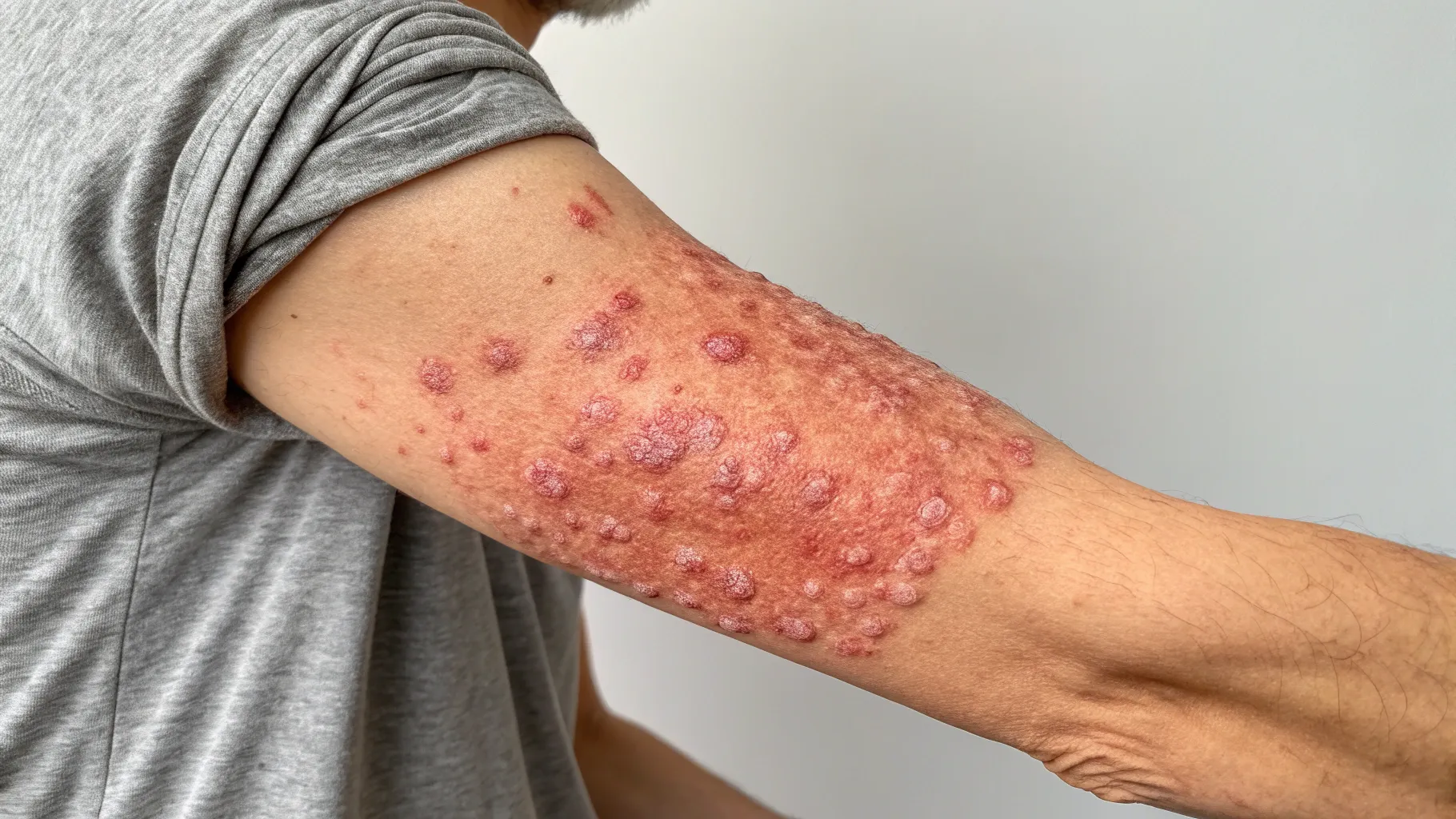
An iceberg of symptoms often conceals the more visible tip of atopic dermatitis. Recognizing these signs is critical for managing the condition effectively:
- Intensely itchy areas, often triggering sleep disruptions.
- Patchy red or grayish areas on the skin, frequently appearing on bends of elbows and knees.
- Small raised bumps, which may crust over when scratched, hinting at possible infection.
- Persistent dryness and skin thickening, indicative of chronic stages.
Recognizing the ebb and flow of these symptoms can guide individuals toward better control, ensuring timely intervention during flare-ups.
Current Treatment Methods
While the dream of a definitive cure eludes us, contemporary treatment approaches focus on soothing symptoms and preventing flare-ups.
- Hydration Routine: Regular use of gentle, hypoallergenic moisturizers helps in maintaining skin moisture and locking in hydration.
- Topical Steroids: Crucial during acute episodes, they provide rapid relief when used cautiously to prevent thinning of the skin.
- Calcineurin Inhibitors: Non-steroidal creams regulating the immune response, they herald a less aggressive approach to reducing inflammation.
- Biologics: Cutting-edge monoclonal antibodies provide targeted relief, attacking specific immune-related pathways that drive eczema.
Complement these strategies with targeted patient education, emphasizing consistent habits and awareness, while shielding against potential financial burdens linked to newer treatments.
Proactive Lifestyle Adjustments for Eczema Management
Successfully managing atopic dermatitis, especially in 2025, demands a robust, proactive approach beyond just symptom treatment. Here are some effective lifestyle changes to consider:
- Opt for fragrance-free detergents and skincare products to reduce risks of irritation from harsh chemicals.
- Maintain optimal indoor humidity levels during harsh weather, preventing excessive skin dryness.
- Choose softer natural fabrics like cotton over wool to avoid irritating sensitive skin.
- Adopt dietary adjustments through food diaries, identifying and eliminating dietary culprits.
Genetic Link and Family Impact
An analysis of familial histories can unearth potential genetic predispositions to atopic dermatitis and related conditions such as asthma and allergic rhinitis. Today, advanced genetic testing makes it possible to predict susceptibility, offering families the chance to employ preventive strategies early in the child's life. Highlighting the power of genetics in understanding eczema allows for more nuanced, personalized approaches to care.
As 2025 unravels, our comprehension of atopic dermatitis has heightened, accompanied by strategies catering to individual needs. Empowered by personalized treatment pathways, patients now navigate flare-ups with increased confidence, gaining control over their lives. Continuous research, coupled with a holistic management approach, heralds a new era, improving the quality of life for countless individuals battling this pervasive skin disorder.
Authored by FreshLifeWire team