Atopic Dermatitis Symptoms and Effective Treatments Guide
What is Atopic Dermatitis
Atopic dermatitis, commonly known as eczema, is a chronic inflammatory skin condition that affects millions of people around the world. It typically manifests during childhood but can arise at any age. This condition is characterized by dry, itchy, and inflamed skin. In fact, recent statistics from the National Eczema Association reveal that approximately 10% to 20% of infants and about 3% of adults in the United States are affected by atopic dermatitis.
How Does Eczema Develop
The exact causes of atopic dermatitis are not fully understood. However, a combination of genetic, environmental, and immunological factors are thought to contribute to its development. Individuals with atopic dermatitis often have a family history of allergies or other atopic conditions like asthma and hay fever. The skin barrier becomes compromised, leading to increased water loss and vulnerability to irritants and allergens.
In recent months, studies have highlighted the role of microbiome diversity in skin health. A reduced gut microbiome can lead to imbalances in skin bacteria and exacerbate eczema symptoms. Additionally, weather changes, stress, and exposure to common irritants such as soaps and detergents can trigger flare-ups in susceptible individuals.
Common Symptoms of Atopic Dermatitis
Atopic dermatitis symptoms can vary widely between individuals and can change with age. However, some common symptoms include:
- Dry skin: The skin often feels tight and rough, and it may develop patches that appear scaly.
- Itching: One of the most distressing symptoms, itching can be severe and is often worse at night.
- Red or brownish-gray patches: These typically appear on the hands, feet, ankles, wrists, neck, upper chest, eyelids, inside the bend of the elbows and knees, and in infants, on the face and scalp.
- Thickened, cracked skin: After prolonged irritation, the skin may become thick and leathery.
- Small, raised bumps: These bumps can leak fluid when scratched and then crust over.
Understanding these symptoms is crucial for effective management and timely intervention.
How to Diagnose Eczema
Diagnosing atopic dermatitis typically involves a physical examination by a healthcare professional. They will look for the distinctive symptoms discussed above and may ask about your family history and lifestyle factors that could contribute to flare-ups. In some cases, patch testing may be recommended to identify allergens that are triggering eczema symptoms.
In the past year, telemedicine has become increasingly popular for diagnosing atopic dermatitis, allowing patients to consult dermatologists remotely. This trend has made it easier for people to seek treatment and manage their symptoms, especially in rural or underserved areas.
Best Treatment Options for Atopic Dermatitis
Currently, there is no cure for atopic dermatitis, but effective treatment options are available to manage symptoms and prevent flare-ups. Some of the best treatment options include:
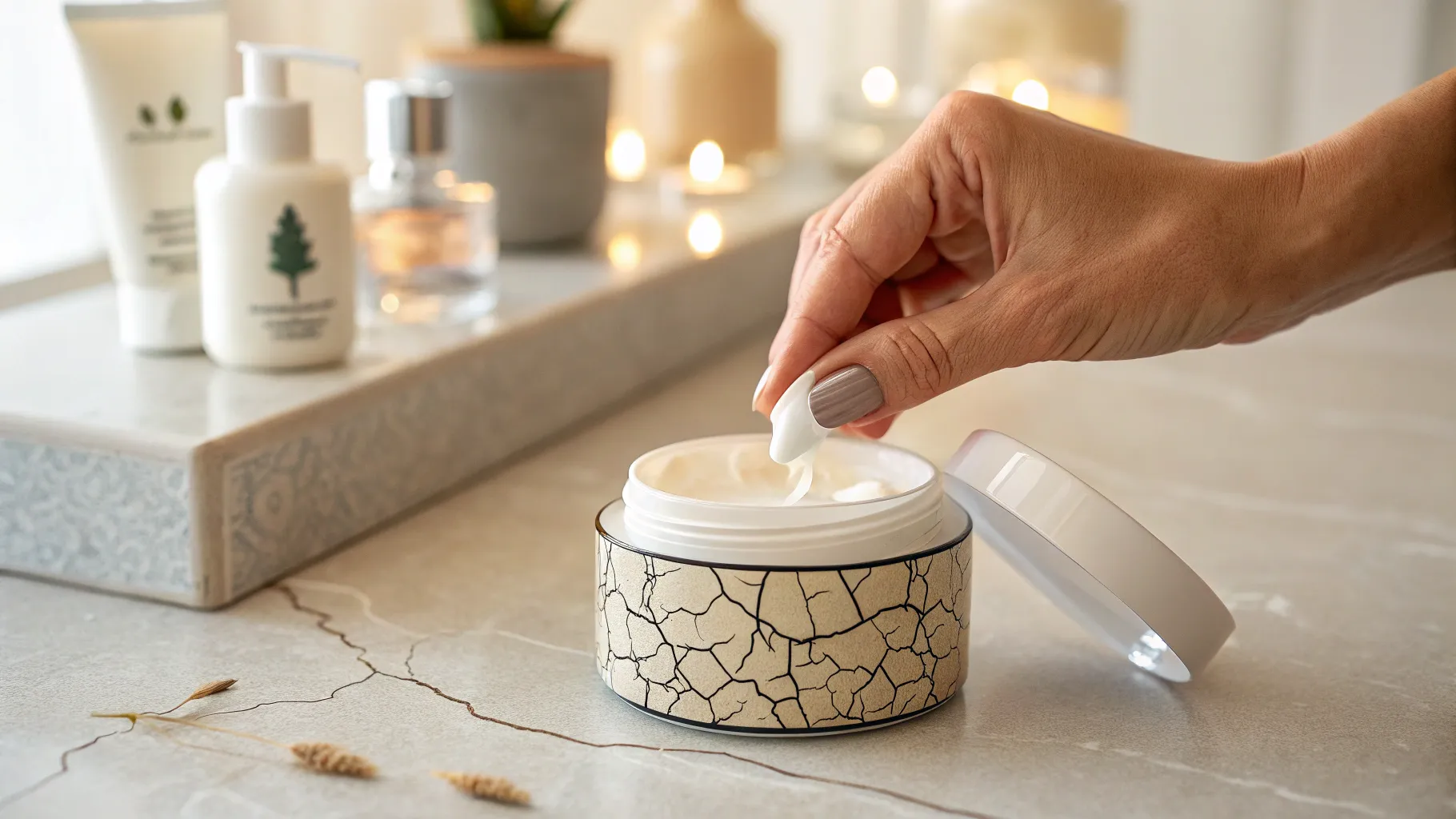
- Moisturizers: Daily use of heavy creams or ointments helps to restore the skin's moisture barrier. Ingredients like ceramides and hyaluronic acid have become increasingly popular in high-quality moisturizers.
- Topical corticosteroids: These are anti-inflammatory creams that can reduce redness and itching during flare-ups. New formulations with lower potency are available for sensitive skin areas.
- Immunomodulators: Medications such as tacrolimus and pimecrolimus help to regulate the immune system response and are often used for more severe cases.
- Antihistamines: These can provide relief from itching and improve sleep quality.
- Biologics: Newer treatments such as dupilumab have shown promising results for those with moderate to severe atopic dermatitis. Biologics target specific pathways in the immune system and have been effective in reducing symptoms for many patients.
In addition, phototherapy, or light therapy, is a well-established option for severe cases that do not respond adequately to topical treatments. Recent advancements in this field have introduced at-home phototherapy devices, allowing patients greater flexibility in managing their condition.
Can Atopic Dermatitis be Cured
While atopic dermatitis cannot be cured, effective management strategies can significantly alleviate symptoms and minimize flare-ups. As previously mentioned, advancements in treatment options—such as biologics and personalized medicine—are making it easier for individuals to control their symptoms effectively.
Ongoing research in eczema therapy is optimistic about finding more targeted treatments that may provide long-term relief. Awareness and education are vital, allowing individuals and their families to adapt their lifestyle and routines, effectively reducing triggers and managing expectations around this chronic condition.
How to Manage Eczema Flare-Ups
Living with atopic dermatitis means getting proactive about managing flare-ups. Here are some effective strategies to help:
- Identify triggers: Keeping a diary of flare-ups can help identify specific triggers, such as certain foods, fabrics, or environmental factors.
- Maintain skin hydration: Regularly applying moisturizers after bathing can lock in moisture and protect the skin barrier.
- Avoid irritants: Choosing gentle soaps and detergents can make a big difference in maintaining skin health.
- Manage stress: Incorporating relaxation techniques such as yoga or meditation can lower stress levels and help control flare-ups.
- Stay informed: Engaging with communities, support groups, or online resources can provide valuable insights and shared experiences on managing atopic dermatitis.
Living with atopic dermatitis is undoubtedly challenging. Yet, by staying informed about treatment options, understanding symptom variation, and taking proactive management steps, individuals can lead fulfilling lives despite the presence of this chronic condition.
Authored by FreshLifeWire team