Army Selection Process Guide for 2025 Entry Requirements
Understanding the Army Selection Process Guide
The journey into the military is not just about wearing the uniform; it starts with a rigorous selection process designed to ensure that candidates are physically, mentally, and morally prepared for service. In 2025, the Army selection process remains comprehensive and competitive, reflecting the standards necessary for a world-class military. If you're considering enlistment, understanding the military entry requirements is crucial.
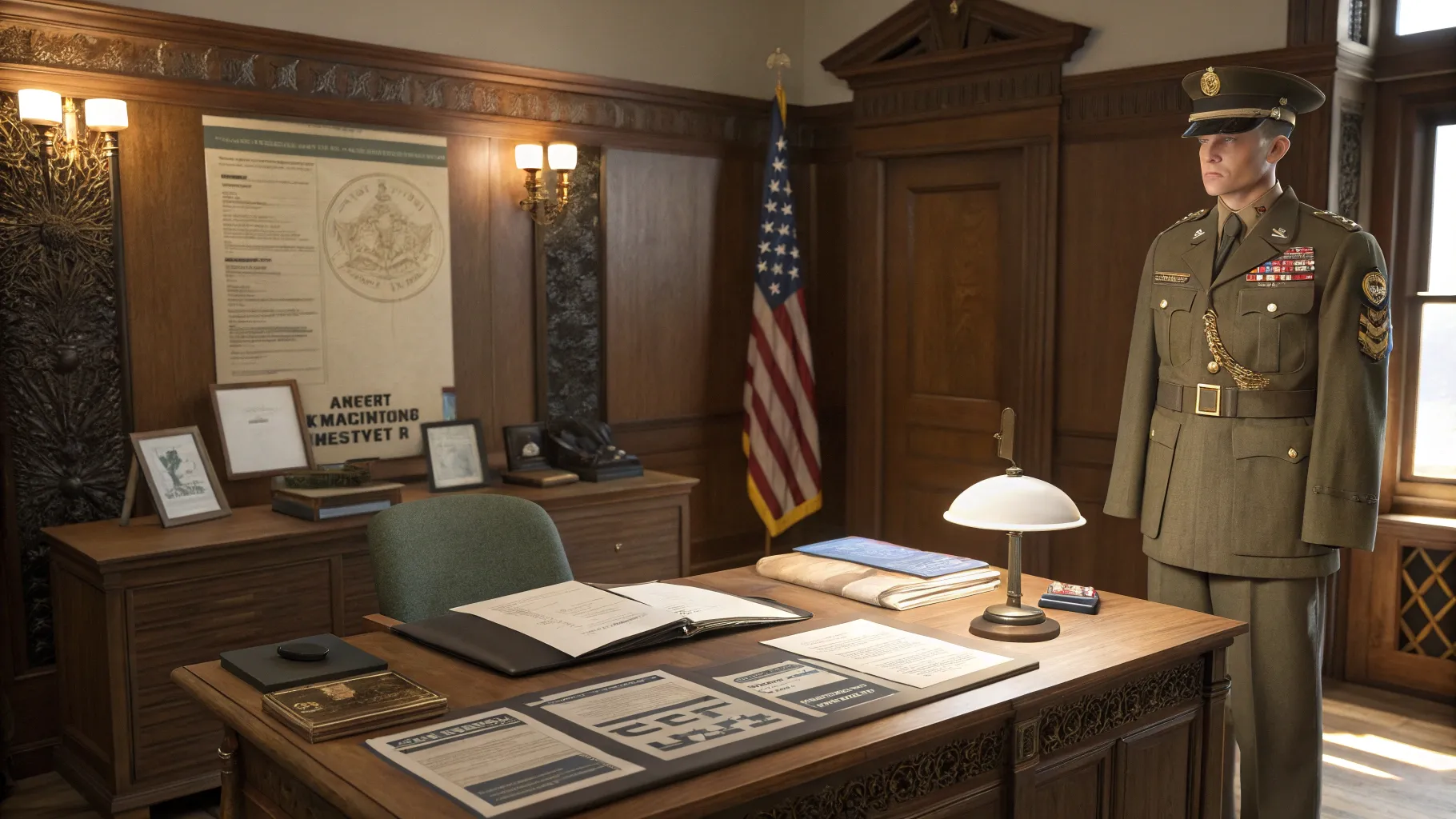
Military Entry Requirements Overview
The first step in understanding the Army selection process is knowing the military entry requirements. Candidates must meet specific criteria including age, citizenship, education, and more. Generally, the minimum age for enlistment is 17 (with parental consent) or 18 without consent. Additionally, all applicants must be U.S. citizens or permanent residents and demonstrate a minimum level of education, typically a high school diploma or equivalent.
One common misconception is that height and weight are the only physical requirements. While those metrics matter, there’s more to it. Each applicant must pass the Armed Services Vocational Aptitude Battery (ASVAB), which measures a candidate’s abilities in various areas crucial for success in military training and jobs.
ASVAB Overview
The ASVAB is not merely a test; it’s an essential tool that helps determine qualification for enlistment and potential military job placement. In 2025, the test covers areas such as math, science, verbal skills, and technical knowledge. Scores from the ASVAB are vital and greatly influence the type of military occupational specialty (MOS) that candidates can pursue.
- General Science: Understanding biological and physical sciences.
- Mathematics Knowledge: Algebra and geometry skills.
- Word Knowledge: Vocabulary and understanding of language.
- Paragraph Comprehension: Ability to understand written material.
In recent months, many candidates have reported that focused preparation resources, such as ASVAB study guides and practice tests, have significantly improved their scores. This investment of time reflects the competitive nature of enlistment in today’s military.
The Medical Exam Process
Once you’ve conquered the ASVAB, the next step is the medical exam process. This critical stage ensures that candidates are physically ready for the demands of military life. The medical examination covers various aspects such as vision and hearing tests, medical history, and a physical examination by military doctors. Any pre-existing conditions or potential disqualifiers will be assessed.
As part of the medical assessment, you’ll be evaluated on things like your eyesight and hearing capabilities, ensuring they meet the Army standards. More importantly, honesty during this process is crucial. Failing to disclose medical history can lead to severe consequences, including discharge later on.
Physical Fitness Standards
To prepare for the rigors of Army training, meeting physical fitness standards is non-negotiable. In 2025, the Army has adopted enhanced physical fitness requirements, now emphasizing endurance and strength alongside agility. The Army Combat Fitness Test (ACFT) serves as the benchmark for physical readiness.
- Deadlift: 3 repetition maximum of 3 deadlifts.
- Standing Power Throw: Measure of upper body power.
- Hand Release Push-Up: Core strength and endurance measure.
- Sprint-Drag-Carry: A test of agility and endurance.
- Leg Tuck: Core strength test.
- Two-Mile Run: Endurance test measured in time.
Understanding and preparing for these standards early ensures you can meet or exceed expectations, showcasing your commitment to service. Many candidates turn to various training programs, fitness classes, and even personal trainers to help them prepare for this phase.
Background Check and Army Documentation Process
A thorough background check is a critical aspect of the Army selection process. Every candidate undergoes an extensive background investigation to assess their moral character and determine their eligibility for enlistment. This includes a review of criminal history, previous employment, and financial responsibility.
The documentation process involves collecting and submitting various records, such as transcripts, identification documents, and any previous military records (if applicable). Your recruiter plays a pivotal role in this aspect, guiding you through necessary paperwork and ensuring completeness.
In 2025, with increased emphasis on cyber security and personal validation, potential recruits can expect quick yet thorough checks, emphasizing both integrity and commitment to ethical standards.
Basic Training Preparation
Following successfully navigating the selection phases, the next step is preparing for Army Basic Training, often referred to as Boot Camp. This training not only conditions you physically but also helps you develop a soldier's mindset. Preparing mentally and physically is essential because the transition can be overwhelming.
- Physical Preparation: Regular workouts that enhance endurance, strength, and agility help.
- Study Military Customs: Understanding protocols can ease the adjustment into military life.
- Time Management: Skills to manage tasks and prioritize effectively come in handy.
Resources available today include pre-basic training boot camps and online communities where future soldiers share experiences, advice, and support.
Recruitment Interview Tips
When it comes to the recruitment interview, preparation is key. Your interview is an opportunity to make a personal impression—one that can significantly impact your enlistment. Be ready to answer questions about your background, motivations for joining, and how you handle challenges.
Several tips stand out for successful military interviews. Firstly, articulate your reasons clearly for wanting to serve and demonstrate familiarity with the role you are applying for. Showing awareness of current military operations and incentives further emphasizes your commitment. Exhibiting confidence, professionalism, and respect throughout your interaction with recruiters is paramount to making a positive leap forward.
As you reach the enlistment timeline, understand the average processing time may range from a few weeks to several months. Stay proactive in communication with your recruiter to ensure all documents are submitted timely.
Authored by FreshLifeWire team