Are You Taking Enough Protein
Understanding Protein Needs in 2025
The year 2025 sees a much greater focus on personal nutrition and tailored dietary plans. One of the most frequently asked questions in nutritional circles is: Are you taking enough protein? This question remains pivotal due to the integral role protein plays in body function.
In a time when there's increasing access to tailored nutrition advice through apps and wearable technology, understanding one's protein requirements is key. Protein, which serves as a building block for muscles, enzymes, hormones, and more, is essential for everyone, from athletes to those with more sedentary lifestyles.
Statistics from recent research indicate that protein deficiency affects about 30% of the global population. This underlines the continued challenge in aligning dietary intake with nutritional needs even today.
The Role of Protein in Daily Diet
Let’s break down the role and significance of protein in our diets. The Dietary Reference Intake (DRI) suggests that an average adult should consume 0.8 grams of protein per kilogram of body weight daily. This equates to around 56 grams for the average sedentary man and 46 grams for the average sedentary woman. However, individual needs vary significantly based on factors like age, muscle mass, and level of physical activity.
Protein is crucial in muscle growth and repair. With new trends prioritizing fitness and the increasing popularity of hybrid workout regimens, monitoring protein intake becomes ever more significant. For those engaged in high-intensity workouts or strength training, daily protein needs can rise dramatically. In fact, experts typically recommend 1.2-2.0 grams per kilogram of body weight to optimize muscle recovery and growth.
Source Variety and Accessibility
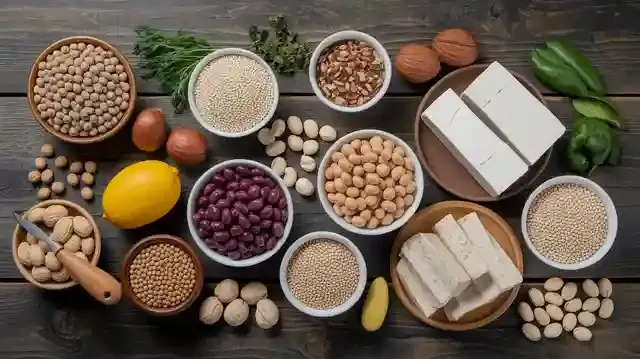
Diverse dietary patterns today offer a wide range of protein sources beyond traditional meats and fish. Plant-based proteins have gained notoriety, aligning with the trend of sustainable and ethical eating. Options like legumes, nuts, seeds, and tofu are not only environmentally friendly but also packed with nutrients.
Case studies also highlight how alternative protein sources are making significant impacts. For instance, insect-derived protein, which boasts high efficiency in production, is becoming a staple in many regions due to its high nutritional value and lower environmental impact.
Additionally, technology has enabled the creation of protein supplements tailored to individual nutritional profiles. This innovation helps meet dietary requirements precisely, supporting the personalized nutrition movement.
Practical Tips for Ensuring Adequate Protein Intake
Navigating dietary choices can be overwhelming. Here are a few practical tips to ensure you’re meeting your protein needs without overconsumption or wastage:
- Integrate a variety of protein sources in your diet to cover all essential amino acids, especially if you follow a vegetarian or vegan diet.
- Use technology to track your nutrition intake effectively. Dietary apps and smart devices analyze your meals to provide insights into your macronutrient levels.
- Consider meal prepping to include protein-rich ingredients, ensuring you have balanced meals ready and reduce reliance on quick-fix processed snacks.
- If using supplements, choose those verified by reputable health organizations to guarantee safety and efficacy.
Incorporating these methods not only ensures a balanced diet but contributes positively to long-term health and wellness.
In conclusion, making sure you consume enough protein is a fundamental step toward achieving better health and wellbeing. With today's technological advancements and broader understanding of nutrition, meeting your protein needs is more manageable than ever. Prioritizing protein intake by employing various resources and staying informed can lead to improved health outcomes, enhanced performance, and a better quality of life in 2025 and beyond.
Authored by FreshLifeWire team