Antique Lamps for Collectors Types and Restoration Tips
Discovering Antique Lamps for Collectors
If you're a collector or simply an admirer of vintage decor, antique lamps hold a unique charm that brightens up any space. These coveted items are not only functional but also serve as art pieces that reflect the aesthetics of the time periods in which they were produced. On your journey to explore the world of antique lamps, knowing about types of antique lamps, how to identify authentic pieces, and their values is essential.
Types of Antique Lamps
Antique lamps come in various styles, each highlighting the craftsmanship and design trends of its era. Here are several prominent types that collectors should be aware of:
- Oil Lamps: Among the earliest forms of lighting, oil lamps were commonly used in homes until the rise of electricity. They typically have a glass or metal body and a wick that draws oil from the reservoir. Popular brands like Lamp & Glass emerged during the 19th century, showcasing beautiful designs with ornate details.
- Art Deco Lamps: Flourishing in the 1920s and 1930s, Art Deco lamps reflect geometric shapes and bold colors. They often utilize materials such as chrome and glass, capturing a sense of modernity that many collectors find appealing today.
- Table Lamps: Generally characterized by their size and placement, table lamps vary widely in style from porcelain bases decorated with intricate paintings to modernist designs. Collectors appreciate the diversity of forms that exist within this category.
- Pottery Lamps: Made from ceramic or pottery, these lamps are often handcrafted and display vibrant glazes. Their handmade nature often gives them unique characteristics that appeal to collectors.
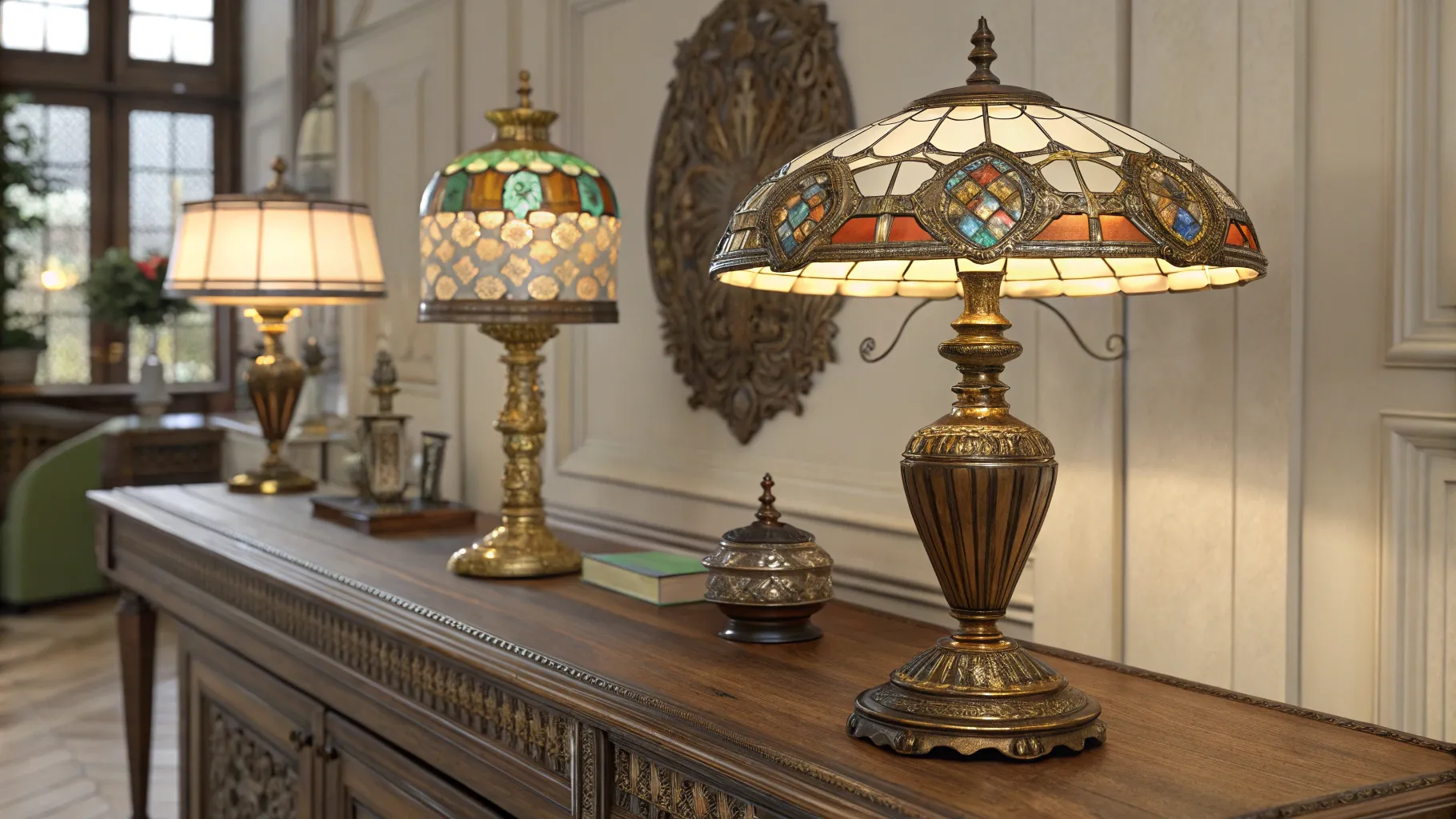
- Vintage Electric Lamps: As electricity became more common in homes, electric lamps began to appear. Many vintage electric lamps feature interesting shades, often made from stained glass or metal with intricate designs that continue to captivate those who appreciate classic beauty.
Where do you start if you're looking for the perfect antique lamp? Visit local antique shops, estate sales, and auctions. Not to mention, online platforms such as eBay or specialized antique sites often showcase a wide variety of options.
Identifying Authentic Antique Lamps
As you dive deeper into the world of antique lamp collecting, it’s crucial to learn how to identify authentic pieces. Unfortunately, the market can be flooded with reproductions or fakes that can mislead inexperienced collectors. Here are some tips to ensure you’re purchasing genuine antiques:
- Check for Maker’s Marks: Many antique lamps may carry a manufacturer's mark, often located on the bottom or underside. Familiarize yourself with the notable makers from the time period of interest.
- Inspect the Materials: Authentic antique lamps were typically made from materials like brass, copper, glass, or ceramics. Pay attention to any signs of wear, as genuine antiques show age, while reproductions might appear too pristine.
- Look for Patina: Over time, authentic metal can develop a patina that adds character. If you see an aging process consistent with its period, the lamp is more likely an authentic piece.
- Research Styles and Design Trends: The lamp’s design can help pinpoint its era. Become familiar with design characteristics and prevalent styles from specific periods, such as Victorian, Edwardian, or Art Nouveau.
Educating yourself enhances your ability to discern between genuine antiques and later reproductions, ensuring that you add true historical treasures to your collection.
Antique Lamp Restoration Tips
Once you've acquired a lamp that might need some TLC, restoring an antique lamp can breathe new life into it, making it a standout piece in your home. Here are several restoration tips to consider:
- Assess the Electric Components: If your antique lamp is electric, check the wiring and socket. It’s essential to ensure that the lamp is safe to use. If necessary, replace frayed wiring with modern materials but retain the original socket if possible for authenticity.
- Clean with Care: Use a soft, damp cloth to gently clean surfaces, avoiding harsh chemicals that could damage finishes. When cleaning glass, be cautious with using mild soap and water.
- Shade Restoration: If your lamp features a shade that is distressed, consider consolidating, repairing tears, or even replacing fabric with period-appropriate materials. Many artisans specialize in lamp shade restoration.
- Engage Professionals: If you’re unsure about conducting restoration yourself, seek the assistance of professionals who specialize in antique lamp restoration. Their expertise can ensure that the job is done well.
Antique Lamp Prices and Values
When investing in antique lamps, it’s essential to understand their market values. Prices can vary widely based on factors like age, rarity, condition, and overall demand. Recent auctions and sales data indicate that:
- Prices for high-quality Victorian lamps can range between $800 to $3000, depending on the quality and maker.
- Art Deco lamps tend to attract collectors willing to pay anywhere from $500 to $2500.
- More common lamps or those in less desirable condition might only fetch $200 to $700.
The market for antique lamps continues to grow as more people seek unique pieces that tell a story. Whether you’re a dedicated collector or a casual enthusiast, understanding the different types of lamps, how to identify authentic ones, and restoration tips can significantly enhance your collecting journey.
Authored by FreshLifeWire team