Airplane Tire Revolution Enhancing Safety and Sustainability
The Silent Prowess of Airplane Tires
In the world of aviation, where precision engineering meets meticulous safety protocols, airplane tires play a pivotal role. These complex marvels support the vast flying machines that connect our world. In 2025, aircraft tires have received an innovation boost to meet heightened safety and environmental demands. Understanding their significance is crucial to grasp why regular replacement and inspection remain urgent priorities.
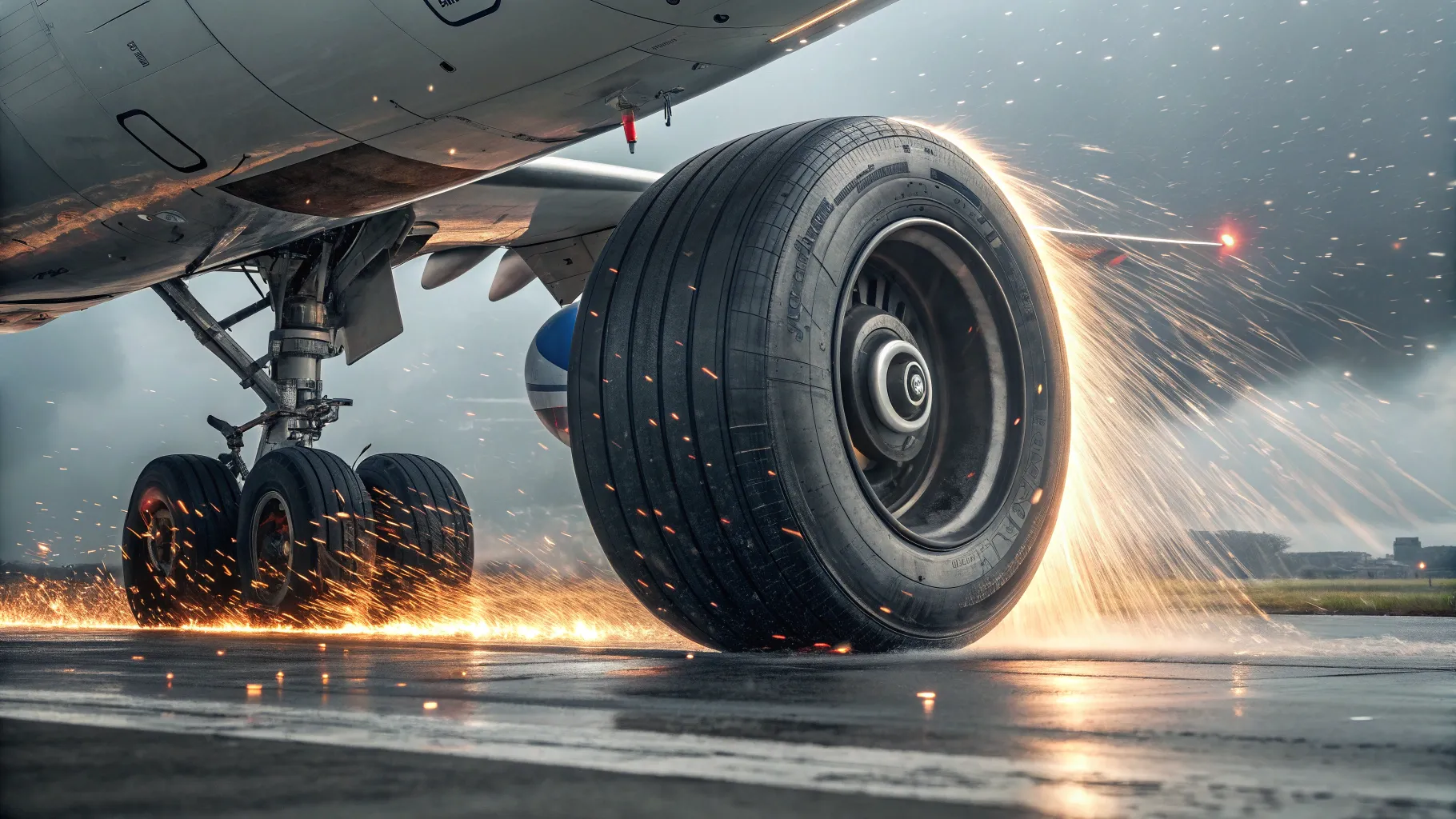
The airplane tires endure rigorous conditions that challenge even the most robust materials. Upon landing, the tires absorb massive kinetic energy while withstanding temperatures that could boil water and friction akin to burning sandpaper. These wheels softly skid across the runway with the weight equivalent to 30-50 elephants resting on a couple of square feet. An average passenger jet's tire can easily support more than 35,000 kilograms and withstand speeds exceeding 160 kilometers per hour. Such resilience is thanks to advanced construction technologies and materials, underscoring their critical role in aviation.
The Necessity of Frequent Tire Overhaul
In the aviation sphere, safety is paramount, with every minuscule detail scrutinized and optimized for performance. Airlines and maintenance crews regard aviation tire replacement not as incidental maintenance but an essential ritual ensuring safety. Routine inspections are indispensable, uncovering inconspicuous brittleness or rubber degradation that could lead to disastrous runway episodes.
- Visual Checks: Before takeoff, ground teams meticulously observe tires for surface damage, irregular wear patterns, and foreign debris. This scrupulous attention helps prevent potentially hazardous conditions, minimizing unexpected maintenance and, consequently, costly delays.
- Tread Depth Monitoring: Tread depth directly influences traction and water channeling on wet runways. Proactive assessments are pivotal for maintaining stability and safety in adverse weather conditions.
- Precision in Pressure: Accurate tire pressure is crucial for optimal operation and minimizing the risk of blowouts. Modern aircraft utilize advanced sensors providing real-time pressure readings, ensuring timely adjustments and preempting issues related to pressure fluctuations.
The aviation tire market is thriving, with projections estimating it to reach a value of $2.1 billion this year. This growth reflects the sector's adoption of resilient synthetic materials and novel composites. Aramid fibers and carbon composites are leading this leap, delivering remarkable toughness paired with lighter weight, paving the way for elongated tire lifespans and improved fuel efficiency.
To maintain airworthiness, commercial aircraft often undergo tire replacements over a thousand times yearly. This demand has stimulated a seamless supply chain and rapid-service protocols alongside an eco-conscious shift. Airlines and manufacturers are embracing production techniques and material recycling opportunities that align with sustainability targets.
Innovative Steps: The Tire Tech Revolution
In today's airspace, cutting-edge innovations are revolutionizing airplane tires, promising safer and more efficient journeys. A breakthrough in self-sealing tires has been adopted by an airline based in Singapore. This technology effectively combats air leakage and extends the tire's lifespan by healing punctures autonomously, which enhances flight smoothness and noise reduction.
Meanwhile, in the United States, a prominent aircraft manufacturer utilizes big data analytics to refine tire designs, evening out the distribution of forces during landings. Early reports indicate a tangible 5% improvement in fuel efficiency, vital for eco-friendly progressions within aviation. Such innovations underline a steadfast commitment within the industry to sustainability without compromising safety or passenger comfort.
As the aviation industry exponentially grows, so does the airplane tire market. Major manufacturers are not resting on their laurels; instead, they are pushing boundaries to surpass established safety and durability standards. Each new advancement in tire technology is more than a leap in engineering—it is the culmination of dedication towards creating seamless mobility while recognizing our environmental responsibilities.
Conclusively, the strategic replacement of airplane tires represents far more than a mundane technical requirement. It reflects a conscientious dedication to safety, reliability, and a greener future. With global air traffic on the riser and the unflagging resolve to elevate passenger experience and safety standards, the tire technology sector remains vibrant, anticipating a promising future of innovation and growth.
Authored by FreshLifeWire team