Guide to Modern Aircraft Attitude Indicators 2025
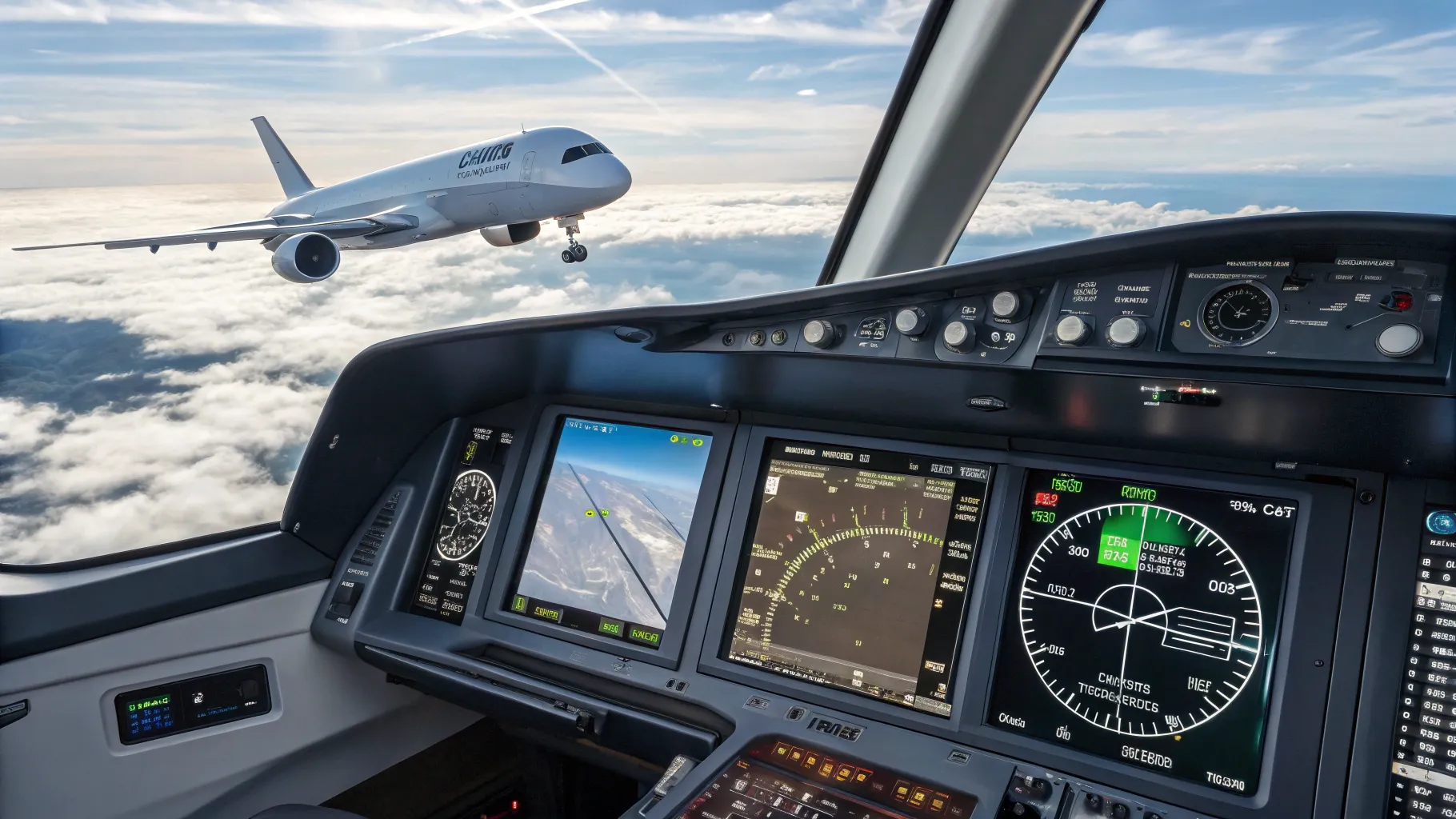 ## The Essential Role of Airplane Attitude Indicators in 2025 AviationNavigating the colossal expanse of the sky is a feat that demands precision, awareness, and, above all, reliable instruments. In 2025, airplane attitude indicators are essential elements within aviation, ensuring pilots maintain stability and safety, even in the most challenging conditions. From perfectly clear skies to impenetrable clouds, these trusty instruments are the quiet heroes within the cockpit, guiding pilots every step of the way.### Trusting Attitude Indicators in Complex SituationsImagine piloting an aircraft cruising at 30,000 feet. Suddenly, the world outside vanishes into thick swathes of cloud, reducing visibility to almost nil. In these moments, understanding your plane's orientation relative to the horizon becomes crucial. **Attitude indicators** provide pilots with invaluable information about the aircraft's position. It tells you if the wings are level or if the nose is pitched up or down. These critical metrics allow pilots to understand the aircraft's dynamics in real-time, ensuring a smooth and safe journey regardless of external conditions.### The Evolution from Analog to Digital DisplaysThe transition from analog systems to modern digital displays has redefined how pilots navigate their airborne environments. The old, trusted analog gauges, located within what was known as the "six-pack," were once the backbone of aviation instrumentation. Now, as we stand firmly in 2025, aircraft range—from massive commercial jets like the **Boeing 737 Max** to nimble private planes like the **Cirrus Vision Jet**—boasts comprehensive glass cockpits, transforming pilot experiences.**Analog Instruments**Aircraft from yesteryear are heralded for their simple and straightforward designs. Mechanical attitude indicators, with their iconic circular dials, traditionally framed a mini airplane amidst stark contrasts illustrating the sky and earth. These simplistic yet robust designs offered pilots clear orientation and situational awareness.**Modern Glass Cockpits**In contrast, today’s aircraft feature state-of-the-art **Primary Flight Displays (PFDs)**, which compile attitude data and various other critical metrics onto singular screens. This modern integration reduces clutter, boosts situational awareness, and has reportedly lowered pilot workload by 20% over the past year—a nod to the evolution these systems underwent.### The Mechanics Behind Attitude IndicatorsThe precision of attitude indicators is the fruit of cutting-edge gyroscopic technology and pressure sensors. Gyroscopes maintain an aircraft's balance and orientation, ensuring pilots have access to accurate, real-time data whenever trajectory changes occur. These enhancements empower pilots to adapt swiftly to shifting external variables, allowing for a seamless route no matter how chaotic the scenario may be.### The Industry Impact Through Advanced Attitude Systems"**Aviation Week & Space Technology**" recently highlighted a significant decline in spatial disorientation incidents, further cementing the benefits offered by modern attitude systems. Regional airlines that have integrated the latest attitude displays experienced a remarkable 40% reduction in weather-induced obstacles, underscoring these devices' impact in drastically improving aviation safety.### Pilots’ Experiences with Modern CockpitsFirst-hand accounts from pilots further solidify the transformative power of advanced cockpit systems. Take, for example, **Captain Lisa Hemmings**, whose journey transitioned from flying sturdy DC-9s to the sleek A220s. "Back then, I had to constantly scan multiple dials," she fondly muses. "Now, with everything at a glance, it feels far more intuitive and less demanding."### The Future of Attitude IndicatorsAs 2025 progresses, the trajectory points towards Augmented Reality (AR) technologies, with the potential to revolutionize modern flight deck interfaces further. Imagine vital data being projected directly onto a pilot's view, effortlessly blending tangible visuals with essential digital readouts right before their eyes.Forward-thinking companies like **Bombardier** and **Embraer** are already exploring preliminary AR systems in their aircraft development programs. Such advancements promise to bridge the gap between current systems and future efficiencies, forging a seamless integration of technology and aviation.### A Collaborative Effort for ProgressAircraft manufacturers, regulatory bodies, and pilots rally in tandem, embracing these advancements to continuously reshape and enhance cockpit operations. With AR-enabled displays on the precipice of mainstream adoption, the focus remains laser-targeted on nurturing both safety and strategic efficiency for future aviators.-> In summary, whether analog or digital, attitude indicators have firmly entrenched their role as indispensable assets in the aviation world. As technology and industry coalesce to embrace modern innovations, these indicators endure as the silent yet invaluable copilots, ensuring each flight path transcends with the utmost safety and success.
Authored by FreshLifeWire team