Air Purifiers Explained Benefits for Allergies and Home Use
What Is an Air Purifier?
Air purifiers are essential devices that serve to improve indoor air quality by removing pollutants, allergens, and harmful particles from the air. In 2025, significant concerns about air quality persist, particularly for households with vulnerable individuals like children and allergy sufferers. These purifying devices employ various filtration techniques to capture dust, pollen, pet dander, smoke, and mold spores, providing a healthier indoor environment. In fact, according to the latest studies, the demand for air purifiers has surged, reflecting the growing awareness about the impact of poor air quality on health and well-being.
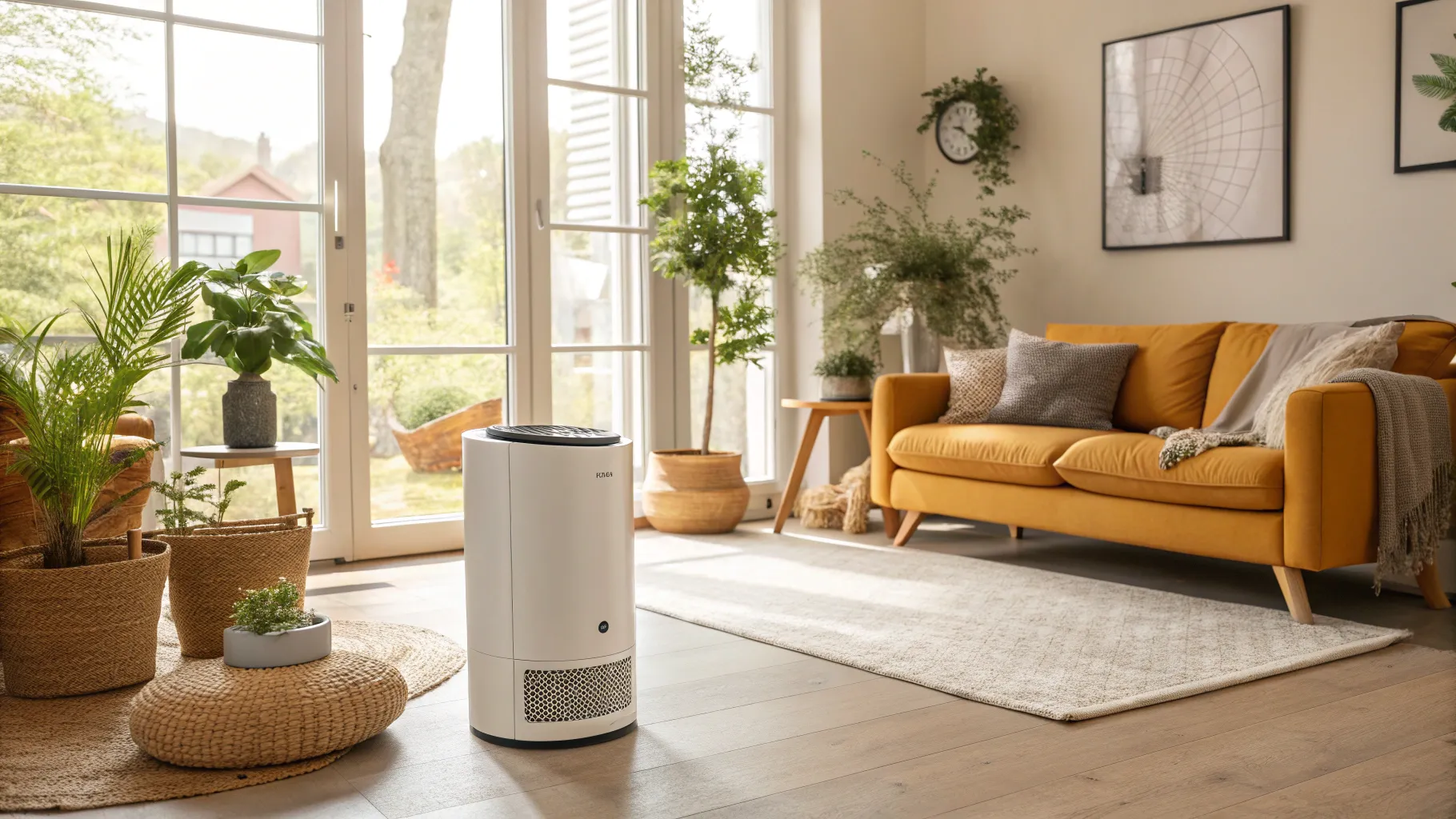
How Does an Air Purifier Work?
The functionality of air purifiers can differ among various models, but the most effective ones utilize a multi-stage filtration system. Central to many air purifiers is the HEPA filter air purifier, renowned for its ability to trap 99.97% of particles down to 0.3 microns in size. This remarkable efficiency includes capturing common allergens and pollutants that can compromise respiratory health.
Moreover, many contemporary models feature activated carbon filters that are adept at absorbing odors and volatile organic compounds (VOCs). As we advance in 2025, numerous purifiers incorporate advanced UV light technology that not only cleanses the air but also neutralizes harmful bacteria and viruses. This technology elevates the effectiveness of indoor air purification, providing peace of mind, especially during peak allergy seasons.
Essentially, air purifiers operate by drawing in dirty air, filtering it through their specialized system, and releasing clean, purified air back into the environment. This continuous process ensures significant improvements in air quality over time. In homes located in urban areas or regions with elevated pollution levels, air purifiers can filter air multiple times an hour, making them a critical investment for better health.
Benefits of Air Purifiers for Allergies
For many allergy sufferers, the right air purifier can bring much-needed relief. Allergens such as pollen, dust mites, and mold spores contribute to triggering allergic reactions, but these can be greatly diminished using effective purification systems. Recent data highlights that houses equipped with HEPA filter air purifiers report a notable decrease in allergy symptoms. In fact, surveys conducted over the last six months reveal that over 70% of air purifier users experienced fewer allergy issues, especially during times when pollen counts surge.
This positive trend underscores the significance of investing in quality machines designed specifically for managing allergies. For instance, case studies conducted in urban environments demonstrate a direct correlation between the use of air purifiers and improved respiratory health among residents. Families with children suffering from allergies frequently report more enjoyable and symptom-free indoor experiences.
Choosing the Right Air Purifier for Your Home
With a vast selection of air purifiers flooding the market, it can be overwhelming to choose the one that best suits your needs. Here are some important factors to consider when purchasing an air purifier in 2025:
- Room Size: It's important to know the specific square footage of the space you want to purify. Many air purifiers are designed for either small or large areas, so identifying the right size ensures optimal effectiveness.
- Filter Type: If you're tackling allergens, prioritize models that feature HEPA filters. Ensure to check certifications, as this guarantees that the filter meets industry standards for air purification.
- Energy Efficiency: Look for the energy efficient air purifier options specifically identified with Energy Star certification. This not only leads to lower electric bills but also signifies a commitment to environmentally friendly practices.
- Noise Level: Another critical consideration in today’s market is the noise level of air purifiers. Many households prefer models that operate quietly, particularly if they need to run continuously, ensuring a peaceful environment during the day and night.
The Rising Popularity of Air Purifiers in 2025
As we delve into 2025, the air purifier market is witnessing substantial growth, largely fueled by increased awareness about air quality issues. Projections indicate that global sales of air purifiers are set to exceed $15 billion this year. This surge is driven by an uptick in health consciousness and urbanization, as more homeowners seek effective solutions for combating indoor pollution and allergens.
Interestingly, this trend extends beyond residential use. Commercial spaces, including offices and educational institutions, are increasingly implementing air purifiers to foster healthier environments. Recent case studies in schools have shown a significant decrease in student absenteeism linked to respiratory issues since the introduction of air purifiers in classrooms, emphasizing their effectiveness in promoting well-being.
Many manufacturers continue to innovate, introducing products that blend advanced filtration technologies with sleek designs, making it easier than ever for consumers to integrate these devices into their homes or workplaces.
As individuals become more conscious of the air they breathe, the necessity for air purifiers has elevated them from optional household items to essential appliances. It's evident that prioritizing air quality is not just a trend but a vital component of maintaining health, especially in urban settings where outdoor air quality continues to pose challenges.
In conclusion, investing in an air purifier can have profound benefits on indoor air quality and overall health. Given the advancements in technology and the expanding array of options available, air purifiers are crucial in combating indoor air pollution. As society continues to face the challenges of modern living, ensuring good air quality will remain a top priority, making air purifiers integral to everyday life.
Authored by FreshLifeWire team