Air Conditioner vs Heater Which Is the Best Choice for You
Air Conditioner vs Heater: Which is Better?
As we step into 2025, energy efficiency and cost-effectiveness remain at the forefront of our minds when it comes to home heating and cooling solutions. The debate between air conditioners and heaters continues to be a hot topic among homeowners looking to create a comfortable living environment. In this article, we will explore the merits and drawbacks of each option to determine which may be better for your specific needs.
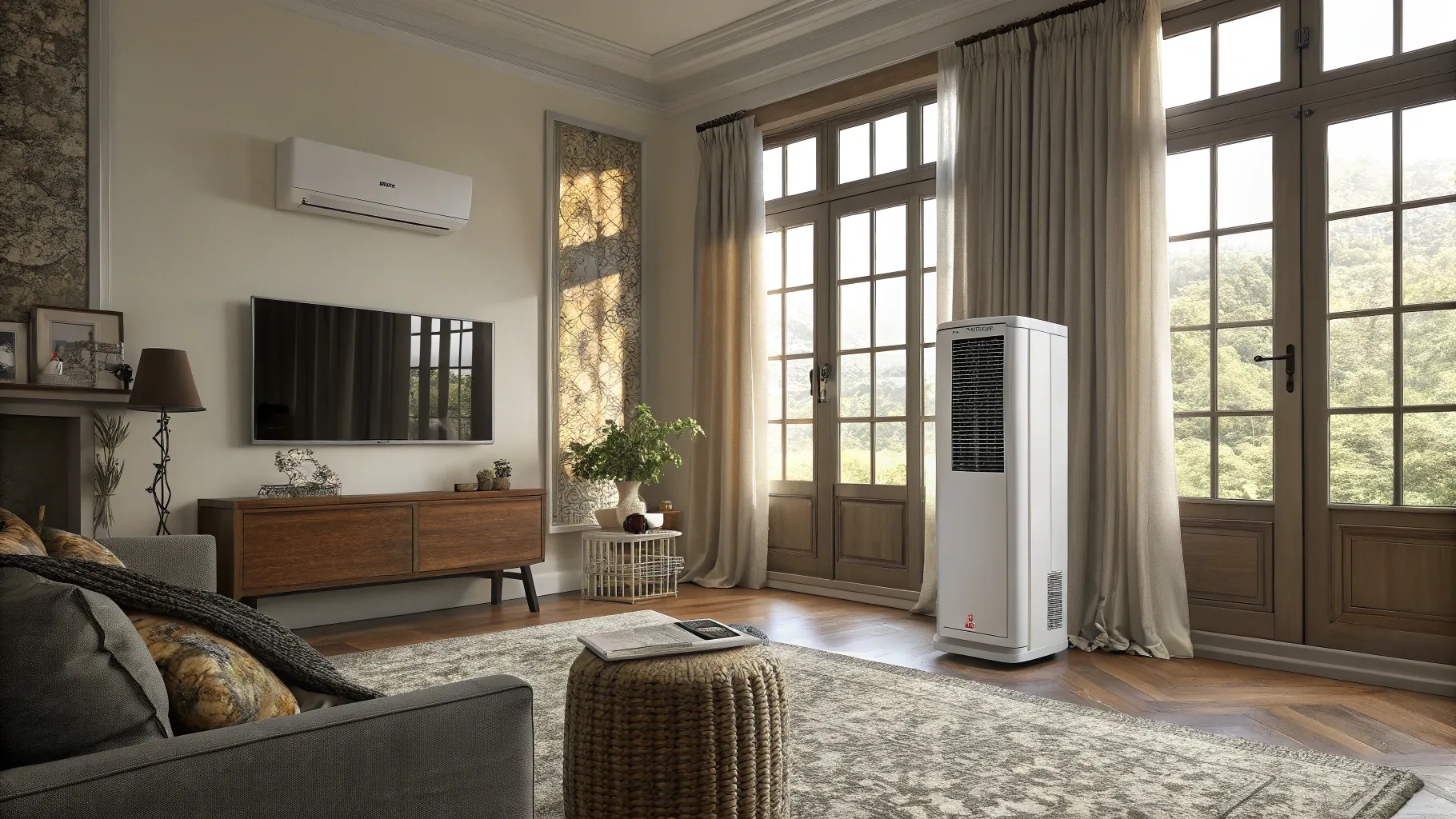
Understanding Air Conditioners and Heaters
To begin with, it's essential to understand the primary functions of both air conditioners (AC) and heaters. Air conditioning units are designed to cool indoor spaces by removing heat and humidity from the air. They generally work by circulating refrigerant liquids through coils inside and outside the unit; this process absorbs heat from the indoor environment, cooling it down to a comfortable temperature.
On the other hand, heaters serve the simple but crucial function of providing warmth. There are multiple types of heaters, including electric heaters, gas-powered furnaces, and heat pumps. Each type has unique specifications and energy requirements that affect performance and costs.
Energy Efficiency: The Most Energy Efficient Way to Heat a Room
When considering energy efficiency, homeowners are often concerned about their utility bills. According to recent statistics, heat pumps have emerged as one of the most energy-efficient methods for heating a room. These systems can be utilized year-round, functioning as both heaters and air conditioners. In fact, the U.S. Department of Energy states that heat pumps can provide up to 300% efficiency by transferring heat rather than generating it.
- Heat Pumps: Operate efficiently in both heating and cooling modes.
- Space Heaters: Ideal for single-room heating but can be less efficient for larger areas.
- Electric Heaters: Generally high operating costs despite lower upfront costs.
By comparison, traditional electric heaters can be significantly more costly to run. A study published by EnergyStar indicates that using an electric resistance heater can cost three times more in electricity than using a heat pump for heating the same space. This makes heat pumps an attractive option for those looking for the most energy-efficient heating solutions.
Cost Comparison: AC Heating vs Electric Heater
When assessing the cost comparison between air conditioning units with heating functions and traditional electric heaters, we have to examine both the initial investment and long-term operational costs. A central air conditioning system with a heating pump can range anywhere from $3,500 to $7,500 for installation, but this investment can pay off through lower monthly energy bills.
In contrast, electric heaters are generally less expensive to purchase, often between $30 to $300. However, their operational costs can climb quickly. A standard 1500-watt electric heater running 10 hours a day can rack up to $50 in monthly energy costs, particularly in colder areas. When calculating costs over time, this can make even an initially more affordable heater a less attractive option in the long run.
Furthermore, as we look at the energy prices in various regions, nationwide averages indicate that heating with a heat pump can be 30% to 50% cheaper than using resistance heating like electric heating systems.
Can an AC Replace a Heater in Winter?
A question many homeowners ask is whether an air conditioner can effectively replace a heater during the colder months. If equipped with a heat pump, an air conditioning unit can indeed provide sufficient heat in mild to moderate climates. However, in regions that experience severe winter conditions, such as those with sustained temperatures below 30°F, it may struggle to maintain comfortable indoor temperatures by itself.
Using an AC unit without a heat pump can also be impractical, as standard cooling models are not designed for heating purposes. Therefore, it’s wise to consider the climate and specific heating needs of your home before deciding on using your AC as your primary heating source during winter months.
Heat Pump vs Space Heater
Finally, the choice between using a heat pump and a space heater comes down to specific heating requirements, energy efficiency, and budget considerations. Heat pumps provide consistent, energy-efficient heating and can also cool better in the summer. They tend to have higher initial installation costs but can lead to significant savings on energy bills over time.
Space heaters, while cheaper to purchase, are generally less efficient for larger areas and are best suited for specific rooms where supplemental heating is needed. They do allow for targeted heating without the need to warm an entire house but can lead to higher energy costs if used extensively.
In summary, investing in an air conditioning system that doubles as a heating solution through a heat pump demonstrates significant advantages in energy efficiency and operational cost effectiveness. While the upfront investment might be higher, the long-term savings and comfort benefits can certainly make it worthwhile for any homeowner aiming for a climate-controlled experience year-round.
Authored by FreshLifeWire team