Unlock Better Rest: The Future of AI Wearables for Sleep Tracking
Facts:
- Global sleep tech market expanding rapidly with innovative AI.
- Enhanced insights for health-conscious users seeking personalized rest data.
The Dawn of Intelligent Sleep: Exploring Advanced AI Wearables for Sleep Tracking
The landscape of personal health technology is rapidly evolving, with AI wearables for sleep tracking at the forefront of this revolution. These sophisticated sleep tracking wearable devices are transforming how individuals monitor and understand their nightly rest, moving far beyond simple duration tracking. Integrating artificial intelligence allows these devices to not only collect vast amounts of raw data but also to process and interpret it, offering actionable insights that were once only available in clinical settings. From subtle movements to complex physiological responses, modern wearables leverage advanced algorithms to provide a comprehensive picture of sleep quality, duration, and efficiency. This deeper dive into nocturnal patterns empowers users to make informed decisions about their lifestyle and habits, ultimately contributing to improved overall well-being. The seamless integration of these devices into daily life, coupled with their increasing accuracy, makes them indispensable tools for anyone serious about optimizing their sleep health.
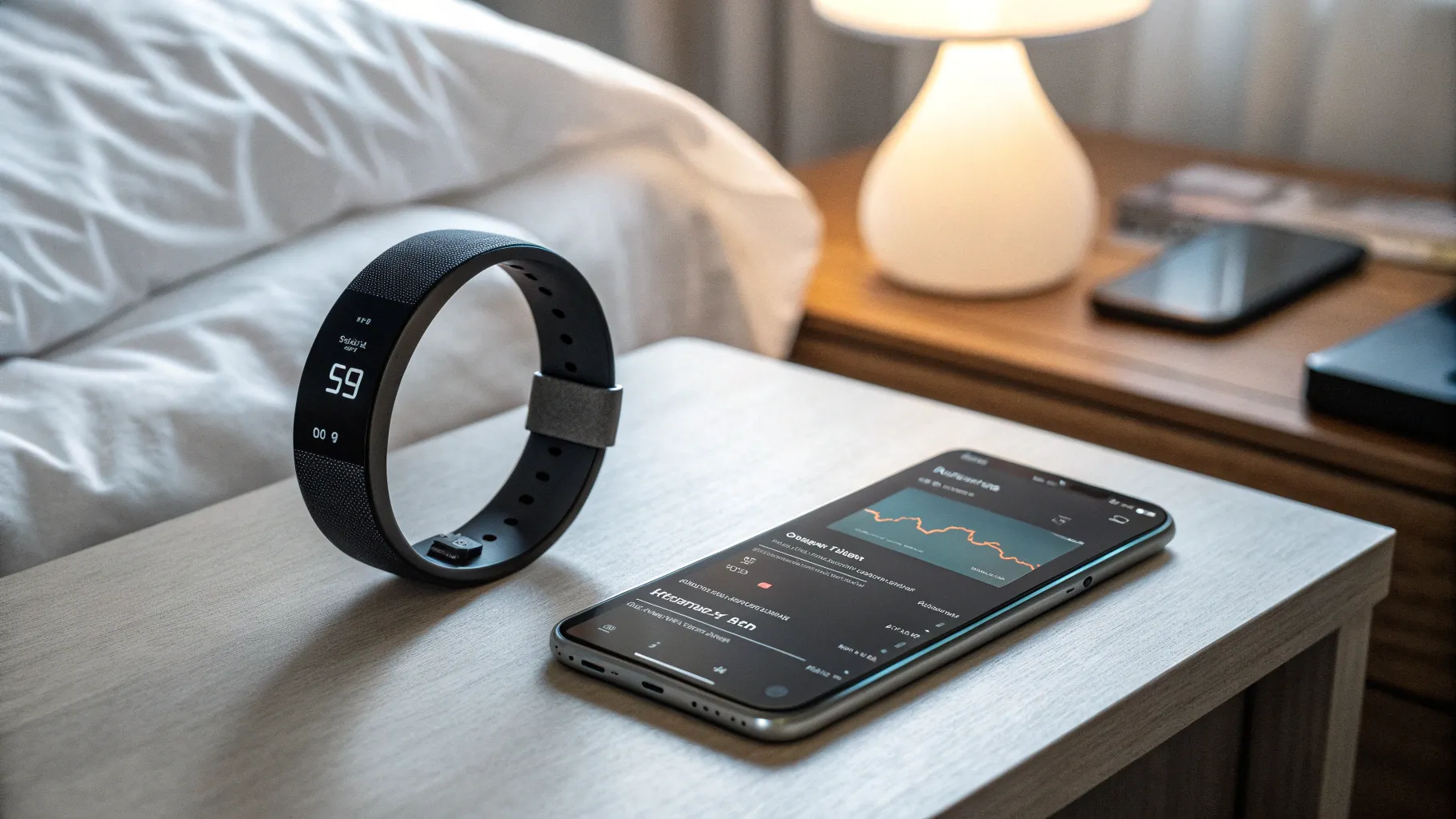
Unpacking Sleep Data Accuracy and Sensors in Modern Wearables
At the heart of every effective AI wearable for sleep tracking lies its ability to collect precise and reliable data. The advancement in sleep data accuracy and sensors is remarkable, incorporating a suite of sophisticated components to paint a detailed picture of your sleep. Photoplethysmography (PPG) sensors meticulously track heart rate and heart rate variability, which are crucial indicators of stress and recovery. Accelerometers detect subtle body movements, differentiating between awake, light, deep, and REM sleep stages. Some premium devices even include temperature sensors and pulse oximeters to monitor blood oxygen levels, providing additional context for respiratory events during sleep. The true magic, however, comes from the AI algorithms that sift through this torrent of raw data. These algorithms learn individual patterns, filtering out noise and recognizing anomalies to provide highly personalized and accurate sleep stage detection, a significant leap from older, less precise methods. Continuous innovation in sensor technology and AI processing means that the insights provided by these devices are becoming increasingly robust and clinically relevant, offering users unparalleled clarity into their sleep health.
Navigating Sleep Tracking Subscription Costs and Value
While many sleep tracking wearable devices offer core functionalities out of the box, understanding sleep tracking subscription costs is essential for unlocking their full potential. The market is segmented, with some devices providing basic sleep duration and simple wake/sleep times for free, while others bundle advanced analytics and personalized coaching behind a paywall. Typically, a subscription service might offer features such as detailed sleep stage breakdowns (light, deep, REM), advanced recovery metrics, trend analysis over weeks and months, and tailored recommendations based on your unique sleep patterns. These services often include access to a broader library of guided meditations, soundscapes, and expert articles designed to improve sleep hygiene. The value proposition of a subscription often lies in its ability to transform raw data into actionable intelligence, guiding users towards specific behavioral changes. When evaluating a device, it's crucial to weigh the initial hardware cost against ongoing subscription fees and assess whether the enhanced features genuinely contribute to your sleep improvement goals. For those serious about optimizing their sleep and harnessing the full power of AI-driven insights, the investment in a subscription can prove invaluable.
Diving Deep: What is Included in Sleep Tracking Apps?
Beyond the hardware, the companion application is where the magic of AI wearables for sleep tracking truly comes alive. Understanding what is included in sleep tracking apps is key to leveraging these devices effectively. Most apps provide an intuitive dashboard summarizing your previous night's sleep, detailing total sleep duration, time spent in each sleep stage, and wake-up times. Advanced apps go further, offering personalized sleep scores derived from complex algorithms that evaluate efficiency, restorative sleep, and consistency. Users can typically access historical data to identify long-term trends, correlating sleep patterns with daily activities, stress levels, or exercise. Many apps also incorporate features like smart alarms that wake you during a light sleep stage, integration with other health apps, and detailed reports that can be shared with healthcare providers. Premium versions often include sleep coaching, guided programs for improving sleep habits, and educational content on sleep science. The depth and breadth of features vary significantly between brands, making it important to research what each app offers to ensure it aligns with your personal sleep monitoring needs and goals.
Beyond Basics: Advanced Biometric Monitoring Wearable Features
Modern AI wearables for sleep tracking are no longer just about tracking sleep; they are comprehensive health guardians. The evolution of biometric monitoring wearable features has expanded their utility far beyond nocturnal analysis. These devices now commonly integrate sensors to track a wide array of physiological metrics throughout the day and night. Heart rate variability (HRV), a key indicator of autonomic nervous system balance and recovery, is increasingly prominent. Continuous skin temperature monitoring can provide early warnings of illness or indicate stages of the menstrual cycle. Blood oxygen saturation (SpO2) tracking helps identify potential breathing disturbances like sleep apnea. Some cutting-edge wearables even attempt to measure stress levels using algorithms based on heart rate, HRV, and activity data. This holistic approach means that your sleep tracker isn't just a sleep device; it's a 24/7 health companion that provides crucial context for your sleep data, helping you understand how daytime activities and physiological states impact your night's rest. The integration of these diverse biometric data streams allows AI algorithms to generate more nuanced and personalized insights into overall well-being.
Understanding Your Rest: The Power of Sleep Score Algorithm and Insights
One of the most valuable contributions of AI wearables for sleep tracking is the development of the sleep score algorithm and insights. Instead of just presenting raw data points, these algorithms synthesize a multitude of metrics—sleep duration, consistency, time in deep and REM sleep, awakenings, heart rate variability, and even environmental factors—into a single, easy-to-understand score. This score provides an immediate snapshot of your sleep quality, allowing you to quickly gauge how restorative your night was. More importantly, the accompanying insights break down what contributed to the score, highlighting areas for improvement. For example, the app might tell you that your sleep was efficient but lacked sufficient deep sleep, prompting recommendations for evening routines or environmental adjustments. These insights are not static; AI learns from your patterns over time, offering increasingly personalized advice. The goal is to move beyond mere data collection to provide truly actionable intelligence, empowering users to actively improve their sleep health based on scientific principles and personalized feedback. This intelligent interpretation of complex data is what sets advanced AI trackers apart.
Safeguarding Your Slumber: Addressing Privacy and Data Security Wearables
As AI wearables for sleep tracking collect increasingly sensitive personal health data, addressing privacy and data security wearables becomes paramount. Users entrust these devices with intimate details about their physiological state, and it's critical that this information is protected. Reputable manufacturers implement robust encryption protocols, both for data in transit (when syncing to the cloud) and at rest (on servers). They also adhere to strict data privacy regulations, such as GDPR and CCPA, ensuring users have control over their data. Many companies emphasize anonymization and aggregation of data for research purposes, preventing individual identification. Transparency regarding data usage policies is a key indicator of a trustworthy brand. Before investing in a device, it is always advisable to review the company's privacy policy to understand how your data is collected, stored, used, and shared. Choosing wearables from companies with a strong commitment to user privacy ensures that your journey to better sleep doesn't come at the cost of your personal data security.
Maximizing Your AI Sleep Tracker: Actionable Advice
Consistent Use and Calibration: For the most accurate and insightful data, wear your device consistently every night. Allow the AI algorithms several weeks to learn your unique sleep patterns. Some devices may benefit from initial calibration to improve sleep data accuracy and sensors performance.
Understand Your Metrics: Don't just look at the overall sleep score. Dive into the detailed reports. Understand what your deep sleep, REM sleep, and heart rate variability metrics signify for your recovery and cognitive function. This deep understanding enhances the value of what is included in sleep tracking apps.
Integrate Feedback: Use the personalized insights and recommendations provided by your device's sleep score algorithm and insights. If it suggests going to bed earlier or avoiding late-night meals, try to implement those changes and observe the impact on your sleep quality.
Review Subscription Benefits: If you are paying for sleep tracking subscription costs, make sure you are utilizing all the premium features, such as advanced analytics, guided programs, or personalized coaching, to get the most out of your investment.
Prioritize Data Privacy: Be aware of the privacy and data security wearables aspects. Regularly review the privacy settings of your app and understand how your data is being used. Choose devices from brands with strong privacy commitments.
Frequently Asked Questions
How do sleep tracking wearable devices enhance daily well-being?
Sleep tracking wearable devices enhance daily well-being by providing detailed insights into sleep patterns, quality, and recovery metrics. This information helps users identify poor sleep habits, understand the impact of lifestyle choices on their rest, and make informed adjustments to improve energy levels, mood, and cognitive function throughout the day.
Are sleep tracking subscription costs always necessary for comprehensive data?
No, sleep tracking subscription costs are not always necessary for basic comprehensive data. Many devices offer essential sleep tracking features, like duration and basic sleep stage analysis, for free. However, subscriptions often unlock advanced analytics, personalized coaching, trend reporting, and additional health insights like advanced heart rate variability, making them valuable for users seeking deeper understanding and personalized guidance.
What specific biometric monitoring wearable features are most critical for sleep assessment?
The most critical biometric monitoring wearable features for sleep assessment include heart rate variability (HRV) for stress and recovery, accelerometers for sleep stage detection and movement, and in some cases, SpO2 (blood oxygen saturation) for respiratory health. Temperature sensors can also provide context for illness or cycle tracking, all contributing to a more complete sleep picture.
How reliable is the sleep score algorithm and insights from AI wearables?
The reliability of the sleep score algorithm and insights from AI wearables has significantly improved due to advanced sensor technology and sophisticated machine learning. While not clinical-grade medical devices, they offer highly accurate and personalized data that closely correlates with laboratory sleep studies, providing valuable trends and actionable advice for individuals to optimize their sleep.
What should I consider regarding privacy and data security wearables when choosing a sleep tracker?
When choosing a sleep tracker, consider the manufacturer's commitment to privacy and data security wearables. Look for devices that offer robust data encryption, clear privacy policies, and adhere to global data protection regulations like GDPR. Ensure you understand how your personal health data is collected, stored, used, and if it's shared, to whom and for what purpose, to protect your sensitive information.
References
- The Journal of Sleep Research & Technology
- Reports from leading health technology analysts
- Clinical studies on wearable sensor accuracy
- Publications on AI in biometric monitoring
- Consumer surveys on sleep tracking device utility
Authored by FreshLifeWire team