AI Powered Diagnostics Improving Radiology and Care Pathways
AI-Powered Diagnostics and Imaging Transforming Healthcare
In recent years, we have witnessed a remarkable evolution in the field of healthcare, particularly with the advent of AI diagnostic tools. By 2025, artificial intelligence is no longer just a futuristic concept; it is a driving force that is reshaping diagnostics and imaging, immensely improving patient care and clinicians' capabilities. One of the most significant areas where AI has made strides is in radiology, where it assists in interpreting complex imaging results efficiently.
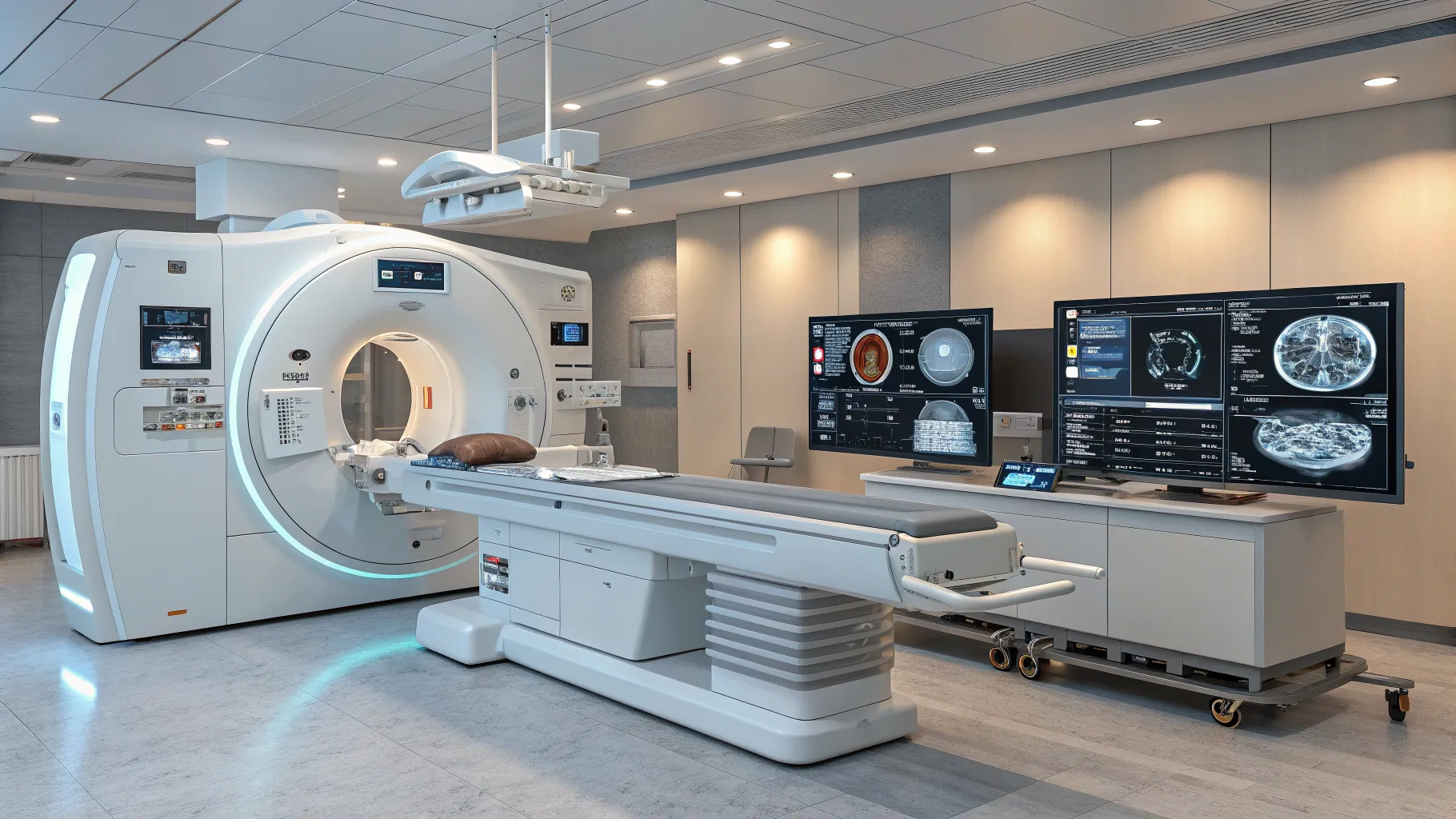
The Role of AI in Radiology
The integration of AI in radiology has dramatically increased the speed and accuracy of image interpretation. AI algorithms can analyze medical images at an extraordinary pace, often delivering results in a fraction of the time it takes human radiologists. For instance, a recent study revealed that AI systems could identify lung cancer in CT scans with over 90% accuracy, significantly aiding early detection. This advancement plays a crucial role in providing timely treatments, reducing mortality rates associated with various diseases.
- AI algorithms can assess X-rays, MRIs, and CT scans.
- Machine learning enhances image quality and lesion detection.
- AI tools are becoming crucial in triaging urgent cases.
Moreover, the collaborative nature of AI allows radiologists to focus on more complex cases while AI handles routine analyses. This partnership not only boosts efficiency but also helps in alleviating workload pressures that many healthcare systems are currently facing.
Benefits of Early Detection Through AI
The impact of AI-powered diagnostics extends beyond just speed; the benefits for early detection are monumental. Early diagnosis often correlates with better prognosis, especially in severe cases like cancers or cardiovascular diseases. With AI's capability to sift through vast amounts of data, it's easier to spot patterns that might go unnoticed by the human eye.
A recent case study from a clinical trial in 2025 showed that patients diagnosed with breast cancer through AI-enabled mammograms were treated 30% earlier than those identified through traditional screening methods. This not only improves patient outcomes but also reduces long-term healthcare costs and the strain on medical resources.
Consider this: AI can analyze patient history, genetic information, and even lifestyle factors to offer personalized diagnostics. This predictive power is reshaping care pathways and enabling healthcare providers to implement preventive measures more effectively.
Cost and Access to AI Diagnostics
Access to AI diagnostic tools is becoming increasingly widespread, thanks to the decrease in costs associated with technology implementation. As more hospitals integrate these systems, the initial high cost of AI technology is gradually offset by its long-term savings and improved patient outcomes. In fact, a report from Q1 2025 indicated that healthcare facilities that adopted AI solutions experienced a 20% reduction in operational costs.
- Healthcare systems can run AI diagnostics at scale.
- Lower costs mean broader access for underserved populations.
- Telemedicine benefits from AI, facilitating remote diagnostics.
The implication of lower costs is significant: patients in rural or underserved areas can access sophisticated diagnostic services without the need to travel to specialized medical centers. Moreover, ongoing developments in telehealth are enhanced by AI capabilities, allowing for real-time analysis and consultation, thus streamlining care pathways.
Challenges and Limitations of AI in Healthcare
Despite the numerous benefits, it is essential to acknowledge the accuracy and limitations of AI in diagnostics. Yes, AI can improve the accuracy of imaging analyses, but it is not infallible. Factors such as data bias, algorithmic errors, and the need for comprehensive training datasets are vital concerns. For example, AI systems trained on non-diverse datasets may fail to recognize conditions in underrepresented populations.
Regulatory status is another critical area of concern. In 2025, while many AI tools have received approval for clinical use, ongoing evaluation and monitoring by regulatory bodies ensure that these tools meet safety and efficacy standards. Healthcare providers must remain informed about the regulatory landscape to understand which tools are validated and safe for patient care.
Impact on Care Pathways
The integration of AI-powered diagnostics is undoubtedly a game changer for care pathways. Traditional models of care often involved lengthy diagnostic procedures, leading to delays in treatment. With AI, diagnostic processes become streamlined—immediately providing healthcare providers with the necessary insights to make informed decisions rapidly.
The ability to diagnose conditions and suggest treatment plans promptly can significantly improve patient experiences. For instance, an AI diagnostic tool that assists in evaluating cardiac health can alert physicians to concerning patterns in patient data, facilitating immediate intervention and potentially saving lives.
As AI continues to evolve and mature within the healthcare framework, its role will likely expand beyond diagnostics to encompass comprehensive patient management. The future envisions AI not just as a tool for diagnosis but as an integral part of holistic patient care, promoting better health outcomes globally.
In conclusion, AI-powered diagnostics and imaging technologies are leading the charge towards a more automated, efficient, and effective healthcare landscape. The partnerships between AI systems and healthcare professionals promise a future where diseases are detected earlier, patients receive timely care, and outcomes improve dramatically. The ongoing journey of AI in healthcare is exhilarating, and as stakeholders continue to innovate, the possibilities are limitless.
Authored by FreshLifeWire team