AI-Driven Circuit Breakers Revolutionize Aviation
The Importance and Evolution of Circuit Breakers in Aviation
Aviation has always been at the forefront of technological innovation. As of 2025, this industry is constantly reshaping itself to meet modern challenges related to safety, efficiency, and sustainability. One critical component contributing to these goals is the often-overlooked circuit breaker. These small but mighty elements on the instrument panel are vital to ensuring that each aircraft can carry out its flight mission safely and effectively. As we explore the roles and evolution of these circuit breakers, we gain insight into their impact on aviation safety and efficiency.
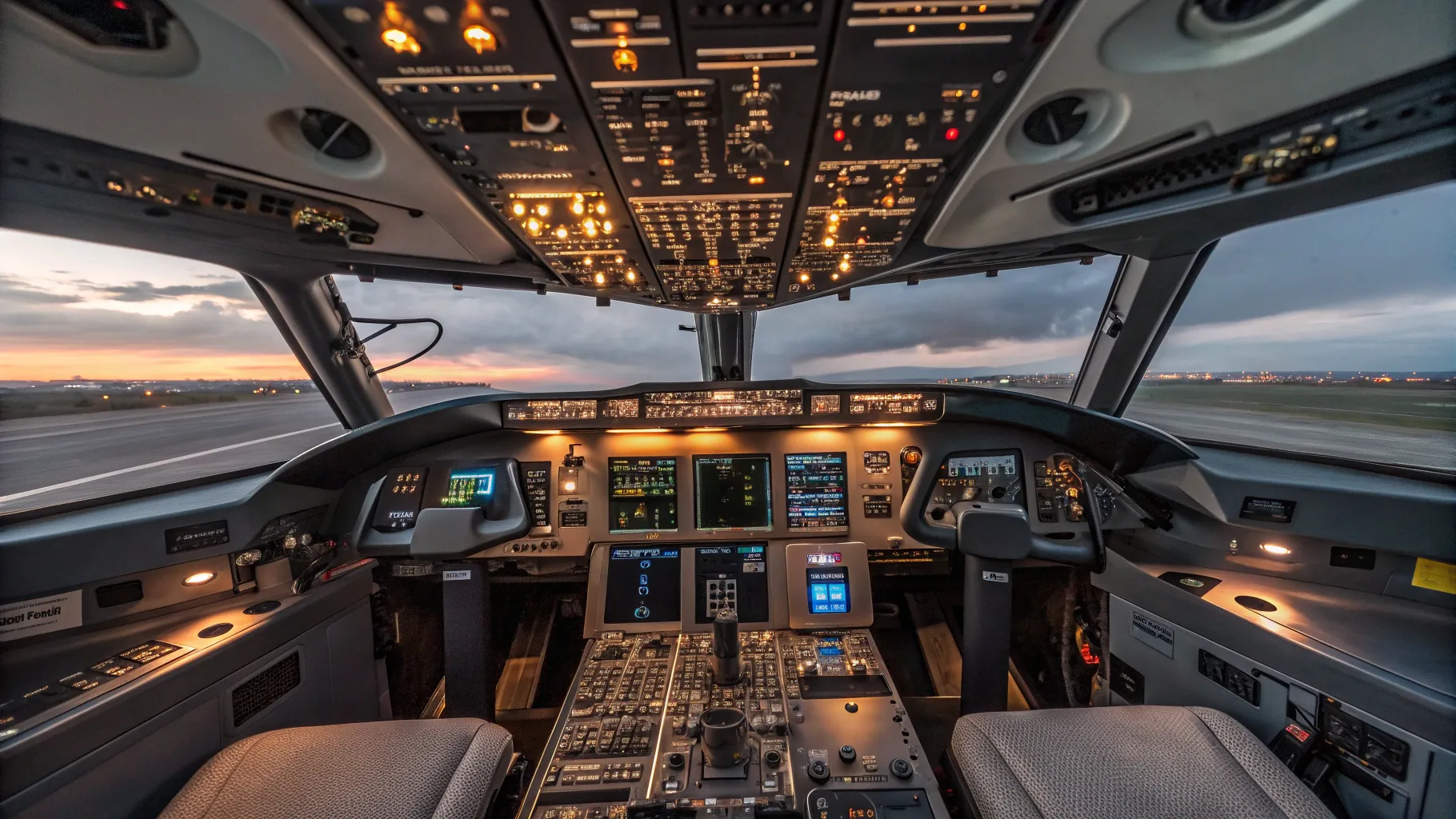
Circuit breakers in aviation are not a recent phenomenon. Historically, they have served as a safeguard against accidental electrical overloads, effectively becoming the unsung heroes in the well-oiled machine that is an aircraft. Today, advancements in technology allow for greater integration and efficiency. Implementing sophisticated circuit breakers helps protect the integrity of vital onboard systems, keeping passengers and crew safe above all else.
Advancements in Circuit Breakers: A Key to Modern Aviation
In the year 2025, innovative developments in avionics include the introduction of high-tech circuit breakers. Previously, aircraft relied on mechanical thermal breakers that detected electric anomalies based on delayed thermal variations — a method that was less than perfect. Enter the era of electronic circuit breakers. These intelligent devices monitor electrical current in real-time and immediately interrupt power circuits at the first sign of overcurrent or system faults.
Imagine being on an aircraft where every light, video screen, and communication system is seamlessly functioning. Behind this seamless experience are the circuit breakers, imperceptibly maintaining the delicate balance of power distribution within the aircraft. They act like a vigilant security force, cutting off power to potentially dangerous circuits, preventing overheating and ensuring the smooth operation of the flight.
Smart Circuit Breakers: The Cutting Edge of Safety
In this age of digital transformation, circuit breakers are no longer isolated components. Engineers have increasingly leveraged the latest technology to develop breakers that communicate effectively with other systems onboard via integrated data networks. These smart circuit breakers alert flight crews to electrical issues, allowing for rapid diagnostics and remedial actions long before any minor issue escalates into a significant fault.
Further reflecting these advancements are companies like Boeing and Airbus, which have begun utilizing customized breaker panels displaying real-time diagnostics, thus streamlining in-flight operations. These real-time insights enable technicians on the ground and crews in the cockpit to coordinate effectively, mitigating potential electrical threats mid-flight and reducing unnecessary maintenance landings.
- Enhanced Insight: Pilots benefit from immediate access to critical electrical performance data, allowing them to make informed decisions affected by electrical anomalies.
- Preventive Maintenance: Data-driven insights from circuit breaker systems help predict problems quickly, allowing maintenance crews to address them ahead of scheduled tasks.
- Operational Coordination: Improved communication between aircraft and ground crews enhances situational awareness and minimizes downtime.
Real-World Impacts and Future Potential
Airlines committed to embracing cutting-edge technology are reaping the benefits of updating their circuit breaker systems. Recent reports highlight how Lufthansa’s investment in advanced circuit breaker technology for its A350 fleet has led to an 18% reduction in electrical malfunctions. This decline in failures directly correlates to increased safety, and the indirect effects are seen in operational efficiency and reduced maintenance costs.
Meanwhile, United Airlines has mirrored this technologically forward approach, implementing similar innovations in their Dreamliner series. With a significant reduction in electrical issues, United Airlines is experiencing increased operational uptime and aircraft availability, which translates to competitive advantages in the bustling aviation market.
Circuit breakers, from simple mechanical designs to complex electronic systems, have continuously evolved to enhance aviation safety. Their role as gatekeepers of the aircraft’s electrical systems has become central in ensuring that travelers reach their destination without unforeseen disruptions, setting the stage for a future where air travel continues to soar as the pinnacle of safety and reliability.
Though hidden beneath layers of advanced avionics, these tiny components diligently serve their purpose on each flight, transforming intricate electronic systems' uncertainties into assured safety and operational excellence. As aviation technology progresses, so too will the sophistication and utility of these invaluable circuit breakers, ensuring the sky remains within reach for every passenger.
Authored by FreshLifeWire team