Advanced Glaucoma Treatments for Seniors Eye Pressure Care
Advanced Glaucoma Treatments Transforming Senior Eye Care
Glaucoma, often referred to as the "silent thief of sight," poses a significant threat to millions of seniors worldwide. As we navigate 2025, advancements in glaucoma treatments have provided new hope for those grappling with this chronic condition. If you or a loved one are in search of effective strategies to manage eye pressure and preserve vision, staying informed about the latest therapies is more crucial than ever.
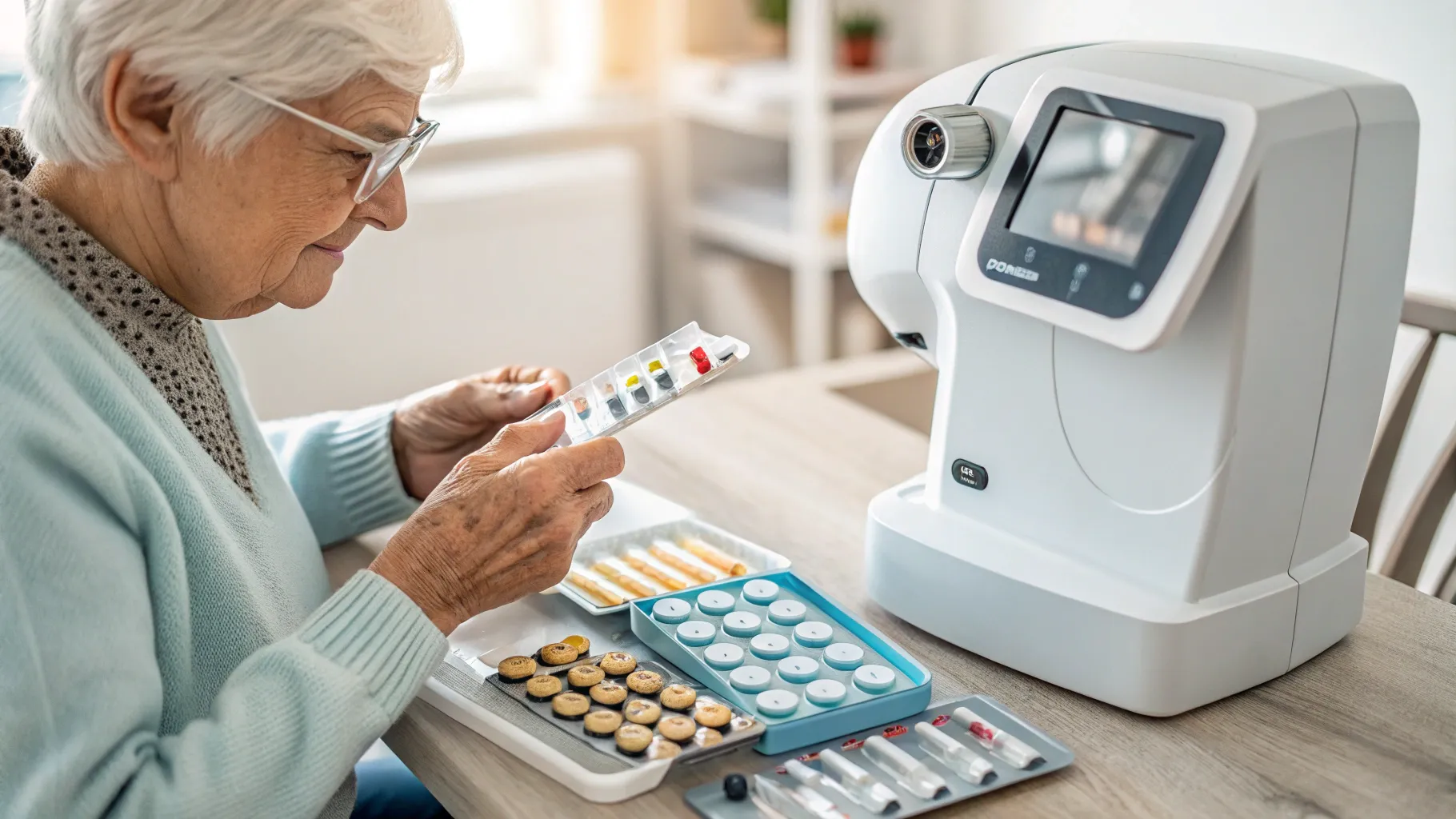
Unpacking Glaucoma Laser Therapy
Among the numerous innovations in glaucoma treatments, laser therapy stands out as one of the most promising approaches. This non-invasive method employs focused light energy to lower intraocular pressure, a pivotal concern in the progression of glaucoma. One particularly effective technique gaining traction is Selective Laser Trabeculoplasty (SLT). This treatment has become a preferred option for many ophthalmologists due to its effectiveness and minimal invasiveness.
Recent studies released in early 2025 demonstrate that SLT successfully reduces eye pressure for over 75% of patients diagnosed with open-angle glaucoma. Unlike traditional surgical procedures, which often necessitate incisions, SLT is typically performed in an outpatient setting, allowing for an efficient, convenient experience. Patients can usually leave the office within an hour, experiencing minimal downtime—a real plus for seniors who value their independence.
- Minimal discomfort: The majority of patients report little to no pain during or after the procedure.
- Quick recovery: Most individuals are able to resume their normal activities almost immediately.
- Repeatability: If necessary, SLT can be performed multiple times without significant risk.
For seniors, these benefits translate into enhanced quality of life as they can maintain their independence while reducing the frequency of trips to healthcare providers.
Effective Eye Pressure Management for Preserving Vision
Managing eye pressure effectively is vital for preventing vision loss related to glaucoma. As the landscape of treatment options continues to expand, innovative methodologies for managing eye pressure are emerging. In addition to laser therapy, the use of medications remains a cornerstone of glaucoma management. In 2025, the introduction of new formulations and delivery methods, such as sustained-release inserts and gels, is revolutionizing how patients adhere to their treatment protocols.
Some of the notable eye pressure-lowering medications currently utilized include:
- Prostaglandin analogs: These medications are designed to facilitate an increased outflow of fluid from the eye, effectively lowering intraocular pressure.
- Beta-blockers: Commonly prescribed to decrease the production of aqueous humor in the eye.
- Alpha agonists: This category of medications also contributes to lowering fluid production while enhancing drainage.
- Carbonic anhydrase inhibitors: Often leveraged in cases where other treatments have failed to deliver adequate results.
Financial concerns regarding medication costs can be particularly pressing for seniors. However, in 2025, several health insurance plans have started covering newer treatment options, easing the financial burden on patients. For example, a growing number of Medicare Advantage plans are now offering extensive eye care coverage, thus ensuring seniors have access to their necessary glaucoma medications without excessive out-of-pocket expenses.
Assessing Risks with Advanced Treatments
Alongside the multitude of benefits that advanced treatments provide, it’s important to be aware of the inherent risks associated with these therapies. While laser treatments like SLT are generally considered safe, they may not be suitable for all patients. Individuals with specific types of glaucoma or concurrent eye conditions might find traditional methods more effective.
Potential side effects are usually minimal, but they can include inflammation or temporary increases in eye pressure. Regular follow-ups are crucial to monitor any changes post-treatment to ensure optimal results. Medication, while beneficial, also carries systemic side effects, especially with beta-blockers that may influence heart rate and blood pressure.
It’s essential for patients to engage in close communication with their healthcare providers to find the best individualized approach tailored to their specific health needs.
Rehabilitation and Continuous Care
Post-treatment rehabilitation is instrumental in achieving long-term success in managing glaucoma effectively. The integration of specialized senior eye care programs into community health services creates a support system that benefits patients significantly. Many of these programs offer:
- Educational resources: Aimed at informing patients about the importance of adhering to treatment regimens and recognizing early signs of complications.
- Support groups: Establishing connections among seniors facing similar challenges fosters a sense of community, encouragement, and shared learning.
- Regular screenings: Practitioners recommend ongoing monitoring through routine eye exams to track any changes in vision or intraocular pressure.
Moreover, advancements in telemedicine have significantly enhanced the ability for seniors to access follow-up care, particularly for those with mobility challenges. Virtual consultations with specialists enable timely interactions and necessary adjustments in treatment, all from the comfort of their homes—a vital factor for maintaining the well-being of senior patients.
As we observe the evolution of glaucoma treatments, the significance of education and awareness cannot be overstated. Staying up-to-date on options—whether they involve laser therapies, medications, or progressive rehabilitation programs—empowers seniors and their families to make informed decisions regarding their eye health. With diligent care and access to modern strategies, the looming threat of glaucoma can be significantly addressed, allowing for a brighter and clearer future.
Authored by FreshLifeWire team